


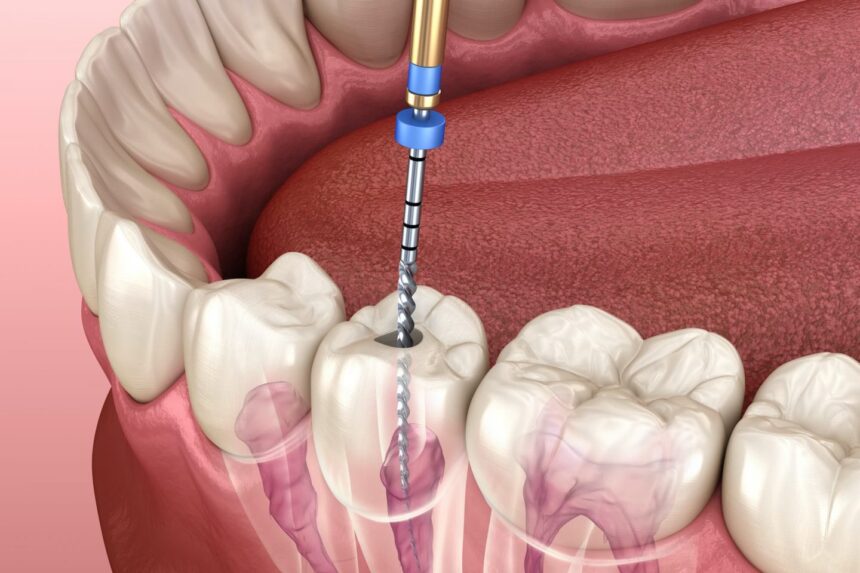

Tooth pain can sometimes seem minor at first, but in certain cases it may signal a deeper dental problem. One of the most common causes of severe tooth pain is an infection inside the tooth pulp. When the inner tissue of a tooth becomes infected, timely treatment is essential to protect the tooth and prevent further complications. Many dentists recommend Root Canal Therapy in Greensborough as an effective way to treat such infections and save the natural tooth.
Understanding the warning signs of a root canal infection can help you seek treatment early and avoid serious dental problems.
What Causes a Root Canal Infection?
Inside every tooth there is a soft tissue called the pulp, which contains nerves and blood vessels. When bacteria enter this inner area, an infection can develop. This usually happens because of deep tooth decay, a cracked tooth, repeated dental procedures, or a traumatic injury to the tooth.
If the infection is not treated in time, it can spread to surrounding tissues and lead to severe pain or swelling. In some cases, it may even cause an abscess around the root of the tooth.
Persistent Tooth Pain
One of the most common signs of a root canal infection is ongoing tooth pain. The discomfort may start as mild sensitivity but can gradually become more intense.
Pain may occur while chewing, biting, or even when pressure is applied to the affected tooth. Sometimes the pain may also spread to the jaw, ear, or nearby teeth.
Sensitivity to Hot and Cold
If you notice prolonged sensitivity when consuming hot drinks or cold foods, it may be a sign that the tooth pulp is inflamed or infected.
While mild sensitivity can be normal, sensitivity that lasts for several seconds or becomes painful should not be ignored.
Swollen or Tender Gums
An infected tooth can cause swelling in the surrounding gum tissue. The gums may appear red, tender, or slightly raised near the affected tooth.
In some cases, a small bump or pimple-like swelling may appear on the gums. This is often a sign of a dental abscess, which requires immediate attention from a dentist greensborough residents trust for professional care.
Tooth Discoloration
A tooth affected by pulp infection may gradually change color. It can appear darker or greyish compared to the surrounding teeth.
This discoloration occurs because the inner tissue of the tooth is damaged or dying. While cosmetic treatments can improve appearance later, the infection must be treated first.
Pain While Chewing
Difficulty or discomfort while chewing food may also indicate an infected tooth. The pressure from biting can irritate the inflamed pulp, leading to sharp or throbbing pain.
Ignoring this symptom may cause the infection to worsen over time.
Bad Taste or Persistent Bad Breath
An untreated infection inside the tooth can produce bacteria that cause a persistent bad taste in the mouth. In some cases, it may also lead to chronic bad breath.
This happens because bacteria and infection can drain through the gums, especially if an abscess is present.
Why Early Treatment Is Important
Delaying treatment for a root canal infection can lead to serious complications. The infection may spread to nearby tissues or even affect surrounding teeth.
Root canal treatment removes the infected pulp, cleans the inside of the tooth, and seals it to prevent further infection. This procedure helps preserve the natural tooth structure while relieving pain.
Modern root canal procedures are safe, effective, and usually completed in one or two dental visits.
Maintaining Good Oral Health
Preventing severe tooth infections begins with proper oral care. Brushing twice a day, flossing regularly, and visiting your dentist for routine check-ups can help detect dental problems early.
Early treatment not only protects your teeth but also prevents more complex and costly procedures in the future.
Conclusion
Recognizing the early signs of tooth infection is essential for protecting your oral health. Persistent tooth pain, swelling, sensitivity, and discoloration should never be ignored. Seeking timely care through Root Canal Therapy in Greensborough can remove infection, relieve discomfort, and preserve your natural tooth. Early diagnosis and professional treatment ensure that small problems do not turn into serious dental complications.
FAQ
1. What is root canal therapy?
Root canal therapy is a dental procedure that removes infected pulp from inside the tooth and seals it to prevent further infection.
2. Is root canal treatment painful?
Modern root canal procedures are usually comfortable because local anesthesia is used during treatment.
3. How long does root canal treatment take?
Most root canal treatments are completed within one or two dental visits depending on the severity of the infection.
4. Can a root canal save a damaged tooth?
Yes, the procedure removes infection and allows the natural tooth to remain functional.
5. How can I prevent root canal infections?
Maintaining good oral hygiene, avoiding untreated cavities, and attending regular dental check-ups can help prevent severe tooth infections.