

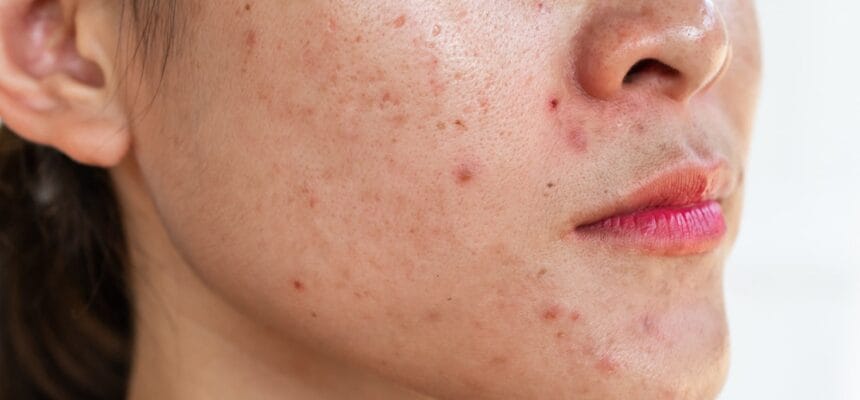

Adult acne is a complex skin condition that often stems from a combination of hormonal fluctuations, environmental stressors, and lifestyle factors. Unlike the oily, T-zone breakouts typical of adolescence, adult-onset acne frequently appears along the jawline and neck as deep, painful nodules. Finding a professional Acne Treatment Abu Dhabi that aligns with your specific skin profile is the most effective way to address persistent congestion and inflammatory flares. By shifting the focus from quick fixes to evidence-based interventions, individuals can achieve a clearer, more resilient complexion that stands the test of time.
Understanding Adult Onset: Recognizes that adult skin requires a different approach than teenage skin due to slower cell turnover.
Professional Guidance: Emphasizes the importance of specialized care for identifying the root cause of breakouts.
Holistic Vision: Highlights that the goal is not just temporary clearing but long-term skin health.
The Biological Root of Adult Acne
To understand which treatments work best, one must first understand why adult acne persists. As we age, our skin’s natural exfoliation process slows down, leading to a buildup of dead skin cells that can trap sebum within pores. When this environment is combined with bacterial growth, inflammation occurs. For adults, this is often exacerbated by “inflammaging,” where chronic low-grade inflammation makes the skin more reactive.
The Role of Hormones and Stress
Hormones remain a primary driver for adult acne, particularly in women. Fluctuations in androgens can stimulate oil glands to produce excess sebum. Simultaneously, stress triggers the release of cortisol, which further aggravates the sebaceous glands. This creates a cycle where psychological stress physically manifests as skin congestion, requiring treatments that calm the skin while regulating oil production.
Environmental Impact on Adult Skin
Modern living introduces various pollutants and blue light exposure, which can weaken the skin barrier. A compromised barrier allows irritants to enter more easily, leading to “acne cosmetica” or sensitivity-induced breakouts. Effective treatments must therefore prioritize barrier repair alongside pore clearance to ensure the skin remains hydrated and protected while being treated.
Cellular Turnover: Addresses how stagnant skin cells contribute to deep-seated blockages.
Hormonal Influence: Explains the physiological triggers that lead to jawline and cystic acne.
Barrier Health: Connects environmental stressors to increased skin sensitivity and reactive breakouts.
Topical Gold Standards for Mature Skin
For many adults, topical applications remain the first line of defense. However, the ingredients used for adults must be carefully balanced to avoid excessive dryness, which can actually trigger more oil production. The focus is on multi-functional ingredients that provide anti-aging benefits while clearing the skin.
Retinoids and Vitamin A Derivatives
Retinoids are widely considered the gold standard for adult acne. They work by accelerating cell turnover and preventing the formation of comedones (clogged pores). For adults, retinoids offer the added benefit of stimulating collagen production, which helps improve the appearance of fine lines and texture while simultaneously clearing active acne.
Alpha and Beta Hydroxy Acids (AHAs/BHAs)
Salicylic acid (a BHA) is oil-soluble, making it highly effective at penetrating deep into the pores to dissolve sebum. Meanwhile, Glycolic or Lactic acids (AHAs) work on the surface to dissolve the “glue” holding dead skin cells together. Using a combination of these acids ensures that the skin is exfoliated at every level, preventing the formation of new lesions.
Niacinamide and Anti-Inflammatory Agents
Niacinamide (Vitamin B3) has become a staple in adult acne care due to its ability to reduce redness, regulate oil, and strengthen the skin barrier. Unlike harsher acids, niacinamide is soothing, making it ideal for those with sensitive adult skin who cannot tolerate high concentrations of traditional acne medication.
Multitasking Retinoids: Focuses on the dual benefit of clearing pores and reducing signs of aging.
Acid Synergy: Explains how AHAs and BHAs work together to keep the skin surface and pores clear.
Soothing Solutions: Highlights the importance of anti-inflammatory ingredients in managing redness.
Advanced Professional Interventions
When topical solutions are not enough, professional interventions provide deeper access to the skin’s layers. These treatments are designed to target the sebaceous glands directly or physically remove deep-seated impurities that manual cleansing cannot reach.
Chemical Peels for Deep Resurfacing
Professional-grade chemical peels use higher concentrations of active acids to exfoliate the skin deeply. These peels are particularly effective for adults dealing with post-inflammatory hyperpigmentation (dark spots left behind by old acne). By removing the damaged outer layers, peels reveal fresher, more evenly pigmented skin underneath.
Light and Laser Modalities
Various light-based therapies work by targeting the P. acnes bacteria responsible for breakouts. Photodynamic therapy or blue light treatments can significantly reduce bacterial load without the need for systemic medications. Additionally, certain laser treatments can shrink overactive oil glands, providing a more permanent reduction in sebum production.
Hydradermabrasion and Deep Cleansing
Hydradermabrasion combines vacuum extraction with the infusion of specialized serums. This is an excellent maintenance treatment for adults as it removes debris from the pores while simultaneously pumping the skin full of hydration and antioxidants. It leaves the skin glowing and clear without the irritation often associated with traditional manual extractions.
Pigmentation Control: Focuses on how peels address the long-term marks left by acne.
Bacterial Defense: Details the use of light technology to kill acne-causing bacteria.
Hydration Integration: Emphasizes that clearing skin should not come at the expense of moisture.
The Importance of Customization
No two cases of adult acne are identical. A treatment plan that works for one person may cause irritation for another. Professional consultations are vital because they allow for a skin analysis that considers skin type, lifestyle, and the specific nature of the breakouts.
Analyzing Skin Sensitivity
Adult skin is often thinner and more prone to dehydration than teenage skin. A professional can determine whether the “acne” is actually rosacea or perioral dermatitis, which require vastly different management strategies. Using the wrong products on these conditions can lead to increased inflammation.
Long-Term Maintenance Strategies
Clearing the skin is only the first step; maintaining those results requires a consistent routine. This involves a balance of professional sessions and a tailored home-care regimen. As the skin changes with the seasons or through different life stages, the treatment plan must be adjusted to remain effective.
Precision Diagnosis: Underlines the need to distinguish between acne and other similar-looking conditions.
Adaptive Care: Explains why skincare routines must evolve over time to stay effective.
Consistent Results: Links professional oversight to the prevention of future relapses.
Frequently Asked Questions
1. Why do I still get acne as an adult?
Adult acne is often caused by hormonal changes, high stress levels, and a decrease in natural skin cell turnover. Unlike teenage acne, it is frequently localized to the lower face and can be more persistent due to the skin’s slower healing rate.
2. Can diet affect my acne?
While diet is not the sole cause, high-glycemic foods and dairy can trigger insulin spikes that stimulate oil production in some individuals. Maintaining a balanced diet rich in antioxidants can support overall skin health and reduce systemic inflammation.
3. How long does it take to see results from professional treatments?
Skin typically operates on a 28-day cycle. While some treatments offer an immediate “glow,” most significant improvements in acne and skin texture are seen after 3 to 4 months of consistent professional care and proper home maintenance.
4. Will acne treatments also help with my acne scars?
Yes, many modern treatments like chemical peels and laser therapies are designed to address both active breakouts and the resulting scars or pigmentation. These treatments help smooth the skin surface and fade dark spots over time.