

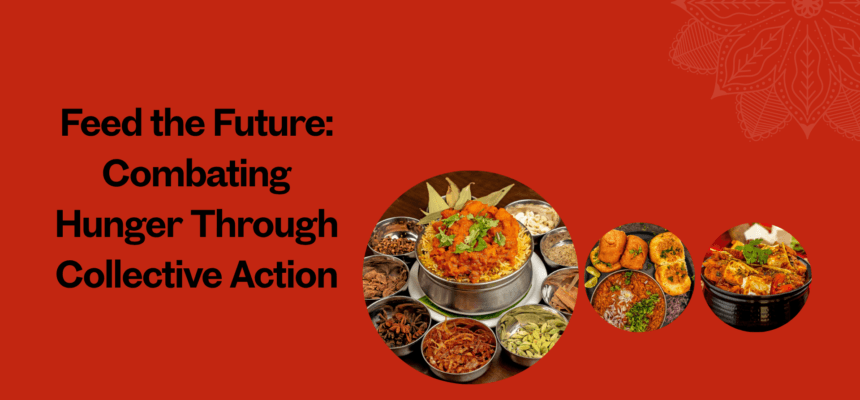

Hunger is not just a lack of food, it is a barrier to education, health, and overall human development. Across the world, millions of people struggle daily to secure even one proper meal, while others unknowingly waste food in abundance. This imbalance highlights the urgent need for structured and inclusive solutions. “Feed the Future: Combating Hunger Through Collective Action” is a powerful concept that emphasizes unity, shared responsibility, and long-term commitment to ending hunger. It focuses on bringing together individuals, communities, organizations, and governments to create a coordinated effort that ensures food reaches every person in need.
Understanding the Vision
The idea behind “Feed the Future” goes beyond immediate food distribution. It aims to build a system where hunger is addressed through collaboration and sustainable practices. Collective action means that every section of society contributes—whether by donating food, volunteering time, supporting policies, or spreading awareness. This unified approach ensures that efforts are not isolated but interconnected, making them more effective and impactful. The vision is to create a future where access to food is a basic right, not a privilege.
Role of Community and Individuals
Communities are the foundation of this initiative. When individuals come together with a shared purpose, they can create meaningful change at the grassroots level. Simple actions such as donating leftover food, organizing local food drives, or volunteering at community kitchens can collectively make a big difference. Encouraging households to reduce food waste and share excess resources fosters a sense of responsibility and compassion. When people actively participate, they not only help others but also strengthen social bonds and community spirit.
Partnerships and Collaboration
One of the key strengths of this initiative is the collaboration between different sectors. Non-governmental organizations (NGOs), businesses, educational institutions, and government bodies all play important roles. NGOs can manage logistics and distribution, businesses can contribute surplus food or financial support, and governments can create policies that encourage food donation and reduce waste. Schools and colleges can engage students in awareness campaigns and volunteer programs. By working together, these stakeholders can create a strong and efficient network to combat hunger.
Use of Technology and Innovation
Technology has the potential to significantly enhance the effectiveness of hunger relief efforts. Digital platforms and mobile applications can connect food donors with volunteers and organizations in real time. For instance, restaurants or event organizers with surplus food can quickly notify nearby distribution teams, ensuring timely collection and delivery. Data analytics can help identify areas with high food insecurity, optimize routes, and improve resource allocation. Innovative solutions like smart storage systems and food preservation techniques can also reduce waste and extend the usability of donated food.
Note: You can also contribute to an NGO for food donation in Ranchi
Ensuring Food Security and Nutrition
While providing food is essential, ensuring that it is nutritious and safe is equally important. Hunger is often linked with malnutrition, which can lead to serious health issues, especially among children. Therefore, initiatives under “Feed the Future” must focus on providing balanced meals that meet basic nutritional needs. Proper hygiene and safety standards should be maintained throughout the process of collection, storage, and distribution. This ensures that beneficiaries receive not just food, but healthy and safe nourishment.
Sustainable and Long-Term Solutions
To truly combat hunger, it is necessary to focus on sustainable solutions rather than temporary relief. This includes promoting agricultural development, supporting local farmers, and encouraging community-based food production systems such as kitchen gardens. Skill development programs and employment opportunities can help individuals become self-reliant, reducing their dependence on aid. Additionally, minimizing food waste contributes to environmental sustainability by reducing landfill usage and greenhouse gas emissions. A long-term approach ensures that the fight against hunger is continuous and effective.
Conclusion
“Feed the Future: Combating Hunger Through Collective Action” is more than just an initiative; it is a movement that calls for unity and shared responsibility. It highlights the power of collaboration in addressing one of the most critical challenges of our time. By bringing together individuals, communities, organizations, and governments, this approach creates a strong and sustainable system to fight hunger. Every small contribution adds up to a larger impact, proving that collective efforts can bring meaningful change. With dedication, awareness, and cooperation, it is possible to build a future where no one suffers from hunger and everyone has access to the basic necessity of food.