


Bathrooms are one of the most common places where water damage begins in a home. Frequent use of plumbing fixtures, high humidity, and constant moisture exposure make bathrooms particularly vulnerable to leaks and hidden water problems. What may appear to be a small leak or minor dampness can quickly turn into a larger issue if not addressed promptly. Acting quickly helps prevent mold growth, structural deterioration, and expensive restoration work.
Understanding how quickly water damage should be handled can help homeowners avoid long-term property damage and unnecessary repair costs.
Introduction
Many homeowners overlook early signs of water damage in bathrooms because the area is already exposed to moisture daily. Small leaks from pipes, cracked tiles, overflowing sinks, or faulty toilet seals may seem manageable at first. However, moisture can spread beneath flooring, behind walls, and around structural components before visible damage appears. When water remains trapped in these areas, it creates conditions that allow mold to develop and materials to weaken. Addressing the issue quickly is essential for preventing these hidden problems from escalating.
Bathroom water damage: Why Immediate Action Is Important
When bathroom water damage occurs, the timeline for addressing the problem is critical. Moisture begins affecting building materials almost immediately. Within hours, water can soak into drywall, wood framing, and subflooring.
If the issue is ignored for too long, materials may begin to deteriorate and lose their structural stability. Acting quickly helps prevent moisture from spreading into surrounding rooms and reduces the amount of repair work required later.
How Quickly Mold Can Begin Developing
Mold growth can begin faster than many people expect. In environments with trapped moisture, mold spores can begin forming within 24 to 48 hours.
Bathrooms are particularly vulnerable because humidity levels are already higher than other areas of the home. If water remains behind walls or under flooring, mold may begin growing before the problem becomes visible.
Early drying and cleanup are essential to prevent mold from spreading throughout the property.
Structural Materials That Can Be Damaged
Water from bathroom leaks can affect several important building materials. These materials absorb moisture quickly and may begin to deteriorate when exposed to water for extended periods.
Common materials affected include:
- Drywall and wall insulation
- Wooden floor supports and subfloors
- Bathroom cabinetry and trim
- Ceiling materials in rooms below the bathroom
Damage to these materials can compromise the structure of the home if not addressed quickly.
Hidden Areas Where Moisture Spreads
One of the challenges with bathroom leaks is that water often travels to hidden areas before visible damage appears. Moisture can move behind baseboards, beneath tile flooring, or along pipe openings inside walls.
Because these areas are difficult to inspect, the damage may continue spreading unnoticed. Professional inspection tools are often necessary to detect hidden moisture.
Signs That Immediate Cleanup Is Needed
Certain warning signs indicate that water damage may already be spreading. Recognizing these signs early allows homeowners to respond before major repairs become necessary.
Common warning signs include:
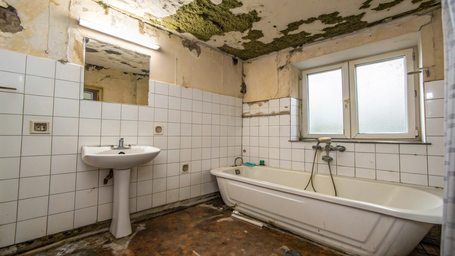
- Persistent musty odors in the bathroom
- Peeling paint or bubbling drywall
- Warped flooring or loose tiles
- Water stains on nearby ceilings or walls
These symptoms often indicate that moisture has been present for an extended period.
Why Professional Restoration May Be Necessary
In some cases, household cleaning methods are not enough to remove hidden moisture. Water trapped inside walls or under flooring requires specialized drying equipment.
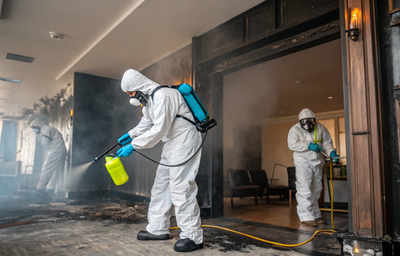
Professional water damage restoration services use moisture detection tools, industrial drying equipment, and controlled airflow to remove hidden dampness from structural materials. This process helps prevent mold growth and ensures the area is fully dried before repairs begin.
Conclusion
Bathroom leaks should be addressed as quickly as possible to prevent serious damage. Moisture can spread rapidly into structural materials, leading to mold growth and costly repairs if the problem is ignored. Early cleanup and proper drying help limit damage and restore safe conditions. When the situation becomes severe, professional water damage restoration Mclean VA services ensure hidden moisture is removed and the structure is properly restored.
FAQs
Q1: How long does it take for mold to grow after water damage?
Mold can begin developing within 24 to 48 hours if moisture remains in building materials.
Q2: Can small bathroom leaks cause serious damage?
Yes, even small leaks can spread moisture into walls and floors, leading to structural damage and mold growth over time.
Q3: When should professional restoration services be called?
If water has spread beyond visible surfaces or caused structural damage, professional restoration services should be contacted immediately.