

Here is a question that stops a lot of aspiring soap business owners in their tracks: Do you actually need to make the soap yourself to build a successful brand? The honest answer is no, and for many entrepreneurs, trying to do everything from scratch is exactly what slows them down.
Whether you are drawn to the idea of crafting every bar yourself or you want to focus purely on building a brand and growing sales, both paths have real merit. Understanding the difference between making your own soap and working through a private label handmade soap supplier will help you make the right call for your goals, your budget, and your timeline.
What Does Making Your Own Soap Actually Involve?
Soap making sounds simple on the surface, but it is a chemistry-driven process that takes real time to learn well. The most common method used by small batch makers is cold process soap making, which involves combining oils and lye to trigger a chemical reaction called saponification. Getting the ratios wrong does not just produce a bad bar; it can produce a bar that burns or irritates skin.
Beyond the chemistry, making soap at scale requires dedicated equipment, a proper workspace that meets safety and ventilation standards, reliable ingredient sourcing, and a curing period of four to six weeks before each batch is ready to sell.
If you plan to sell your soap as a cosmetic product rather than just plain soap, additional regulatory requirements come into play. All of this takes time, money, and ongoing attention before a single bar ever reaches a customer.
What Is Private Label Soap and How Does It Work?
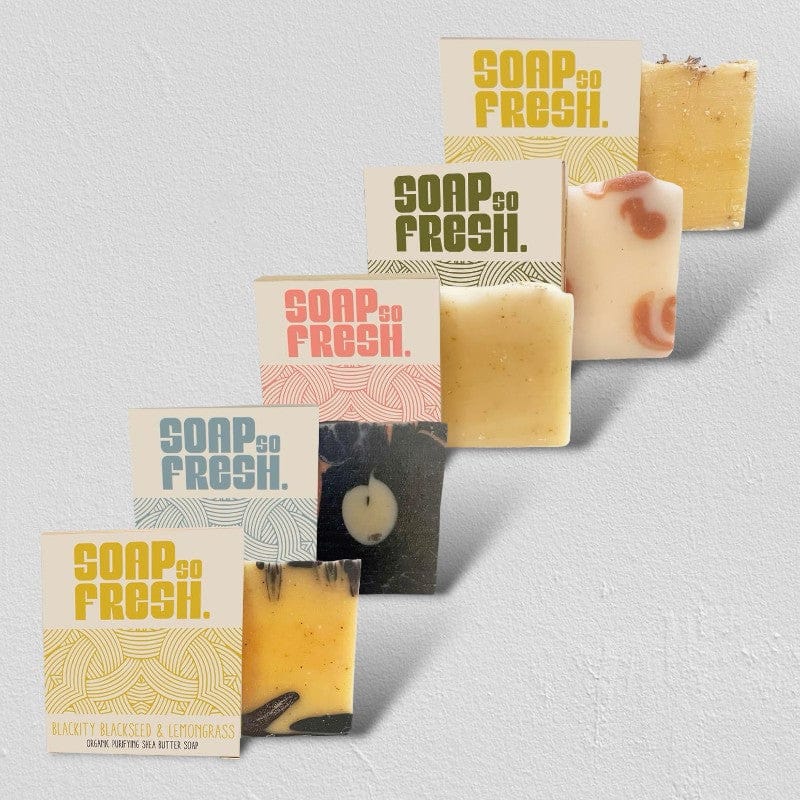
Private label handmade soap is soap that is manufactured by a supplier using established formulas, then branded and sold under your own business name. You choose the ingredients, scents, bar sizes, and packaging. The supplier handles production, quality control, and often compliance documentation. Your job is to build the brand, market the product, and handle customer relationships.
A good private label handmade soap supplier already has tested formulas, vetted ingredient sources, and production processes in place. This means you skip the trial-and-error phase entirely and go straight to selling a product that is already proven to work. Many suppliers also offer customization options that let you create something genuinely unique without starting from zero.
Comparing the Two: Time and Startup Costs
Time is one of the biggest factors separating these two options. Making soap yourself requires weeks of learning, testing, and refining before you have something ready to sell. Factor in the curing time, and your first sellable batch could be two to three months away from the moment you start learning.
Private label natural soap suppliers can often have your branded product ready within a few weeks of finalizing your order details. For someone who wants to launch quickly or test a market before investing heavily, this speed advantage is significant. Startup costs also differ considerably.
Making soap yourself requires equipment, raw materials, storage space, and safety gear upfront. Working through a supplier shifts that investment toward inventory and branding, which are costs that connect more directly to actual sales.
When Making Your Own Soap Makes Sense
There are real reasons to make soap yourself, and for some business models, it is absolutely the right choice. If you want complete control over every ingredient and every step of the process, making your own soap gives you that. Some makers build their entire brand identity around the handcrafted nature of their product, and that story resonates strongly with certain customers.
Making your own soap also makes sense if you have a specific formula in mind that no supplier currently offers, or if you want to develop a deeply specialized product for a very targeted niche. Artisan soap makers who sell at farmers’ markets, craft fairs, or through tight-knit communities often find that the handmade story is a core part of what customers are buying. In those cases, production and branding are inseparable.
When Private Label Is the Smarter Business Move
For most people who want to build a scalable soap brand, private-label handmade soap is the faster and lower-risk path. You do not need to master soap chemistry to sell an excellent product. You do not need a dedicated workspace or specialty equipment. You do not need to wait months between idea and launch.
Working through a private label natural soap supplier lets you focus your energy on the parts of the business that actually drive revenue: brand positioning, marketing, customer experience, and sales channel development. These are the areas where most soap businesses either win or lose, and they deserve your full attention rather than being squeezed in around production schedules.
Private label also scales more cleanly. When demand grows, you increase your order. You do not need to hire production staff, buy more equipment, or redesign your workspace. A reliable supplier grows with you, which removes one of the most common bottlenecks that handmade soap businesses hit as they get traction.
How to Choose the Right Private Label Soap Supplier
Not all suppliers offer the same quality or flexibility. Before committing, ask about ingredient sourcing and whether the formulas use natural or synthetic additives. Request samples and test them thoroughly on different skin types. Ask about minimum order quantities, turnaround times, and what customization options are available for scents, colors, and bar sizes.
A trustworthy private label handmade soap supplier will be transparent about their manufacturing process, provide proper documentation for compliance purposes, and communicate clearly throughout the ordering process. If a supplier is vague about ingredients or unwilling to share production details, which is a strong reason to keep looking.
Ready to Launch Your Soap Brand With Confidence?
Do not let manufacturing challenges slow down your plans. Partner with a reliable private label handmade soap supplier, request samples, explore your options, and move forward with a product line that supports long-term growth. Your future customers are out there; your brand simply needs the right soaps to bring it to life.