

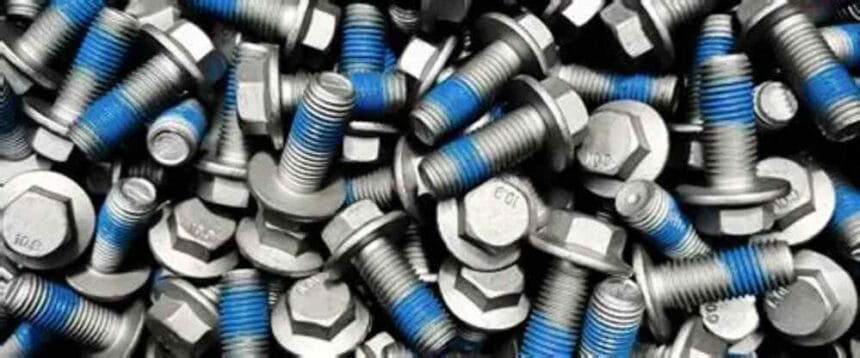

In modern construction, manufacturing, and heavy industry, fasteners are no longer viewed as simple mechanical components. They are critical elements that ensure structural integrity, safety, and long-term durability. As operating environments become more demanding—ranging from high humidity and corrosive chemicals to extreme temperatures—the need for advanced coating technologies for high-performance fasteners has grown significantly. These coatings not only protect fasteners from degradation but also enhance their mechanical and functional properties.
- The Importance of Coatings in Fastener Performance
- Types of Advanced Coating Technologies
- 1. Zinc-Based Coatings
- 2. Fluoropolymer Coatings (e.g., PTFE)
- 3. Ceramic Coatings
- 4. Phosphate Coatings
- 5. Dacromet and Geomet Coatings
- Key Benefits of Advanced Coatings
- Enhanced Corrosion Resistance
- Improved Mechanical Performance
- Extended Service Life
- Environmental Compliance
- Selecting the Right Coating for Your Application
- Future Trends in Fastener Coating Technologies
The Importance of Coatings in Fastener Performance
Fasteners such as bolts, screws, nuts/ mur, and washers are often exposed to harsh conditions that can lead to corrosion, wear, and eventual failure. Without proper protection, even high-strength materials can deteriorate quickly. Coating technologies serve as a protective barrier between the fastener and its environment, reducing the risk of oxidation, chemical attack, and mechanical damage.
Beyond protection, coatings can also improve installation efficiency by reducing friction, prevent galling in threaded connections, and provide aesthetic value. In industries such as aerospace, automotive, marine, and construction, selecting the right coating is essential to achieving optimal performance and compliance with industry standards.
Types of Advanced Coating Technologies
1. Zinc-Based Coatings
Zinc coatings remain one of the most widely used solutions for corrosion protection. Technologies such as electroplating, hot-dip galvanizing, and mechanical plating offer different levels of durability and thickness.
Zinc acts as a sacrificial layer, meaning it corrodes before the base metal does. This makes it particularly effective in outdoor and humid environments. Modern zinc coatings often include additional treatments like passivation or sealing to extend their lifespan and improve resistance to white rust.
2. Fluoropolymer Coatings (e.g., PTFE)
Fluoropolymer coatings, commonly known by materials like PTFE, provide excellent chemical resistance and low friction properties. These coatings are ideal for applications where fasteners are exposed to aggressive chemicals or require easy installation and removal.
PTFE coatings also offer non-stick characteristics, which help prevent the buildup of contaminants. This makes them highly suitable for use in the oil and gas industry, chemical processing plants, and food-grade applications.
3. Ceramic Coatings
Ceramic-based coatings are designed for high-temperature and high-wear environments. They provide exceptional thermal stability and resistance to oxidation, making them ideal for applications such as exhaust systems, power generation equipment, and aerospace components.
In addition to heat resistance, ceramic coatings offer a hard, durable surface that reduces wear and extends the service life of fasteners under extreme mechanical stress.
4. Phosphate Coatings
Phosphate coatings are commonly used as a base layer for additional coatings or lubricants. While they offer moderate corrosion resistance, their primary benefit lies in improving adhesion and reducing friction.
These coatings are widely used in automotive manufacturing, where fasteners require consistent torque-tension relationships during assembly.
5. Dacromet and Geomet Coatings
Dacromet and Geomet are advanced zinc-aluminum flake coatings that provide superior corrosion resistance without the use of harmful hexavalent chromium. These coatings are applied through dip-spin processes and form a thin, uniform layer.
They are particularly popular in the automotive and construction industries due to their ability to withstand salt spray environments and maintain performance over extended periods.
Key Benefits of Advanced Coatings
Enhanced Corrosion Resistance
One of the primary advantages of advanced coating technologies is their ability to significantly improve corrosion resistance. This is especially important in marine environments, coastal infrastructure, and chemical processing facilities where exposure to corrosive elements is constant.
Improved Mechanical Performance
Coatings can reduce friction between threads, ensuring smoother installation and more accurate torque application. This leads to better clamping force and reduces the risk of over-tightening or failure during assembly.
Extended Service Life
By protecting fasteners from environmental and mechanical damage, coatings help extend their operational lifespan. This reduces maintenance costs and minimizes downtime, which is crucial for large-scale industrial operations.
Environmental Compliance
Modern coating technologies are increasingly designed to meet environmental regulations. For example, many coatings now eliminate hazardous substances such as hexavalent chromium, making them safer for both workers and the environment.
Selecting the Right Coating for Your Application
Choosing the appropriate coating depends on several factors, including the operating environment, load requirements, and industry standards. For instance, fasteners used in marine applications require coatings with high salt spray resistance, while those in high-temperature environments demand thermal stability.
It is also important to consider compatibility with the base material and the potential for galvanic corrosion when different metals are used together. Consulting with a reliable supplier or coating specialist can help ensure the best choice for your specific needs.
Future Trends in Fastener Coating Technologies
The future of fastener coatings is driven by innovation and sustainability. Nanotechnology is being explored to create ultra-thin coatings with enhanced protective properties. Additionally, smart coatings that can respond to environmental changes or indicate wear are under development.
Sustainability is another key focus, with manufacturers investing in eco-friendly processes and materials that reduce environmental impact without compromising performance.
Conclusion
Advanced coating technologies play a vital role in enhancing the performance, durability, and reliability of high-performance fasteners. From zinc-based solutions to cutting-edge ceramic and fluoropolymer coatings, each technology offers unique benefits tailored to specific applications.
As industries continue to demand higher standards of performance and sustainability, the development and adoption of innovative coating solutions will remain essential. By selecting the right coating, businesses can ensure long-lasting fastener performance, improved safety, and greater operational efficiency.