


Introduction: Movement Is the Foundation of Daily Life
Every step you take, every stretch you make, and even the way you sit depends on your body’s ability to move well. When movement feels easy, life feels lighter. But when stiffness or discomfort appears, even simple tasks can become challenging. Choosing to improve mobility is not just about fitness—it’s about making everyday living smoother, safer, and more enjoyable.
Understanding the Idea of Mobility
Mobility is your body’s ability to move freely with control and without pain. It combines flexibility, strength, and coordination. Many people think touching their toes means good mobility, but it goes far beyond that. True mobility allows your joints to move through their full range while your muscles provide the support needed to stay stable and balanced.
Why It’s Important to Improve Mobility Early
Mobility tends to decline slowly, often without notice. Long hours of sitting, reduced activity, and daily stress can tighten muscles and limit joint movement. If ignored, this can lead to discomfort or even injuries. Taking steps early to improve mobility helps maintain your body’s natural function and prevents bigger issues later on.
Everyday Habits That Affect Your Mobility
Your daily routine plays a major role in how your body feels. Sitting for extended periods, poor posture, and lack of movement can all contribute to stiffness. On the other hand, small positive habits like standing up regularly, walking, and stretching can keep your body active. To improve mobility, it’s important to stay aware of how your daily actions impact your movement.
The Role of Gentle Stretching
Stretching is one of the simplest ways to support better movement. It helps release tight muscles and increases flexibility over time. You don’t need to spend hours stretching—just a few minutes each day can make a difference. Focus on areas that commonly feel tight, such as the neck, shoulders, hips, and legs. Consistency is more important than intensity when you want to improve mobility.
Strength Training Supports Better Movement
While stretching helps lengthen muscles, strength training helps stabilize them. Strong muscles protect your joints and allow smoother, more controlled movement. Exercises like squats, lunges, and light resistance training can be very effective. When you combine strength with flexibility, your body becomes more capable and resilient.
How Posture Influences Mobility
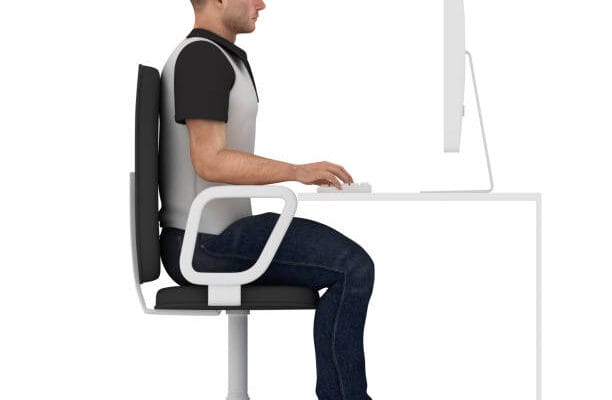
Posture affects how your body aligns and moves. Poor posture can lead to tight muscles and restricted joints, especially in the back and shoulders. Over time, this can reduce your ability to move comfortably. Being mindful of how you sit, stand, and walk can help you improve mobility naturally. Simple adjustments, like keeping your back straight and shoulders relaxed, can go a long way.
The Importance of Staying Active
Regular movement is key to maintaining mobility. You don’t need an intense workout routine to see benefits. Activities like walking, light jogging, or even household chores can keep your body engaged. The more you move, the more your joints stay flexible and your muscles stay active. This consistent activity helps you improve mobility without feeling overwhelmed.
Listening to Your Body’s Signals
Your body often tells you when something isn’t right. Stiffness, tightness, or discomfort are signs that you may need more movement or rest. Ignoring these signals can lead to bigger problems. Paying attention and responding appropriately helps you maintain balance and continue to improve mobility safely.
Breathing and Relaxation Matter Too
Stress and tension can make your muscles tight and limit movement. Deep breathing helps relax your body and improves circulation. When your muscles are relaxed, they can move more freely. Practices like slow breathing or gentle yoga can support your efforts to improve mobility while also calming your mind.
Creating a Simple Daily Routine
Building a routine doesn’t have to be complicated. Start with a few stretches in the morning, stay active during the day, and include light exercises when possible. Even five to ten minutes of focused movement can be effective. A simple, consistent routine is often more beneficial than an intense plan that’s hard to maintain.
Benefits You’ll Notice Over Time
As you begin to improve mobility, you may notice changes in how your body feels. Movements become smoother, stiffness decreases, and daily tasks feel easier. You may also experience better posture, improved balance, and increased confidence in your movements. These benefits can have a positive impact on your overall well-being.
Overcoming Challenges Along the Way
It’s normal to face obstacles when trying to build new habits. Busy schedules, lack of motivation, or uncertainty about where to start can make it difficult. The key is to keep things simple and manageable. Start small, stay consistent, and gradually build your routine. Progress takes time, but every small step counts.
Making Mobility a Lifelong Priority
Improving mobility is not a one-time goal—it’s an ongoing process. As your body changes, your needs may also change. Continuing to stay active, stretch regularly, and maintain good posture will help you keep moving comfortably for years to come. Treat mobility as an essential part of your daily life rather than something temporary.
Conclusion: Small Steps Lead to Lasting Change
Choosing to improve mobility is one of the best decisions you can make for your body. It doesn’t require drastic changes or complicated routines. By focusing on simple habits like stretching, staying active, and listening to your body, you can create lasting improvements. Over time, these efforts will help you move with ease, feel more comfortable, and enjoy a healthier, more active lifestyle.