


Breathing is something we usually never think about. It happens naturally and quietly in the background of our lives. But for people who struggle with respiratory issues, breathing can become tiring and stressful. This is where Home Ventilation Support plays an important role in bringing relief and stability to everyday life.
Home Ventilation Support is a way to help individuals breathe more effectively using specially designed devices at home. These systems support the lungs by improving airflow and ensuring the body gets enough oxygen. Instead of relying only on hospital care, people can receive consistent breathing support in a place where they feel safe and relaxed.
One of the biggest advantages of Home Ventilation Support is comfort. Being at home means being surrounded by familiar people and routines. This sense of familiarity can reduce anxiety and help the body relax. When the body is calm, breathing often becomes easier and more steady, which supports better overall health.
Many different conditions may lead someone to need Home Ventilation Support. These include chronic lung diseases, conditions that weaken muscles, or disorders that affect how the brain controls breathing. In such cases, the body may not be able to maintain proper airflow on its own. Ventilation support steps in to assist and maintain balance.
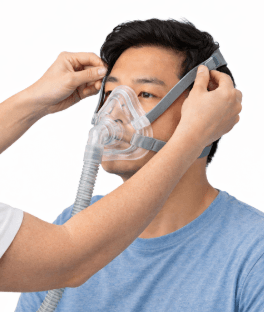
There are different types of Home Ventilation Support depending on the individual needs. Non invasive ventilation is one of the most commonly used methods. It involves wearing a mask that gently pushes air into the lungs. This is often used during sleep, when breathing may become shallow or irregular without support.
In more serious cases, invasive ventilation may be needed. This involves a direct airway connection that provides controlled breathing support. Although it may sound complex, with proper guidance and care, families can learn how to manage it safely at home. This allows patients to avoid long hospital stays while still receiving essential care.
Home Ventilation Support can greatly improve daily comfort. People often notice better sleep, reduced fatigue, and more energy during the day. When the body receives enough oxygen, it can function more efficiently. Simple activities such as walking, talking, or even relaxing can feel easier and less tiring.
Another important benefit is the sense of independence it provides. Instead of being tied to hospital visits, individuals can follow their own routine at home. This flexibility helps people maintain a better quality of life and stay connected with family and daily activities.
Caregivers are a vital part of Home Ventilation Support. They help monitor the equipment, assist with daily use, and provide emotional encouragement. At first, it may feel overwhelming to handle medical equipment, but with proper training, it becomes manageable. Over time, it becomes a natural part of the daily routine.
Keeping the equipment clean and well maintained is essential. Regular cleaning helps prevent infections and ensures the device works properly. Following simple care instructions can extend the life of the equipment and provide consistent support. Small efforts in maintenance can make a big difference in safety and comfort.
Lifestyle habits also play a role in supporting better breathing. Staying hydrated, eating balanced meals, and maintaining a comfortable sleeping position can help improve results. Gentle breathing exercises, if recommended by a professional, can strengthen the lungs and improve control over time.
Emotional wellbeing should not be overlooked. Living with breathing difficulties can sometimes feel frustrating or tiring. Having strong support from family and friends can make a big difference. Talking about feelings and staying connected with others helps reduce stress and build confidence.
Technology has made Home Ventilation Support more accessible and user friendly. Modern devices are quieter, smaller, and easier to operate than before. Some systems can even monitor breathing patterns and provide useful feedback. These improvements help users feel more comfortable and confident using the equipment daily.
Before starting Home Ventilation Support, it is important to have a proper assessment. Healthcare professionals evaluate the condition and recommend the most suitable system. Regular checkups help ensure that the support remains effective and can be adjusted as needed.
Safety is always a priority when using Home Ventilation Support. It is important to have a backup plan in case of power outages or equipment issues. Knowing how to respond in such situations can provide peace of mind. Being prepared helps families feel more secure and confident in managing care at home.
Children and older adults can both benefit from Home Ventilation Support. For children, it helps ensure proper growth by providing enough oxygen. For older adults, it can reduce fatigue and improve comfort in daily life. Each age group has unique needs, but the goal remains the same which is easier and more stable breathing.
Many families initially feel unsure about managing care at home. However, with the right guidance and support, they quickly adapt. The ability to care for a loved one in a familiar environment brings a sense of closeness and reassurance that is hard to match in a hospital setting.
Home Ventilation Support is more than just a medical solution. It is a way to improve everyday living and bring comfort back into daily routines. It helps people regain control over their breathing and feel more confident in their abilities.
In the end, breathing is essential to life, and when it becomes difficult, the right support can make a real difference. Home Ventilation Support offers a gentle and effective way to improve comfort and independence. It allows individuals to live with greater ease while staying close to the people and places they love.