

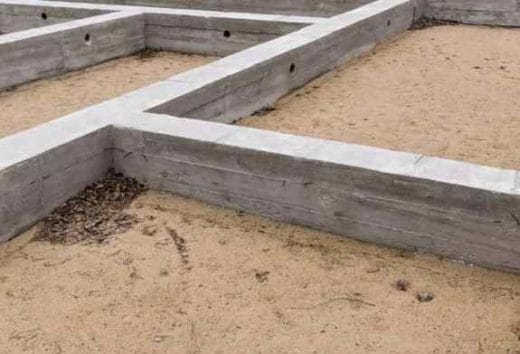

A strong building always starts from a strong foundation. One of the most widely used foundation types in construction is the spread footing. Engineers use spread footings to safely transfer the load of a structure into the soil. To make this system strong, safe, and long-lasting, they use carefully selected construction materials.
- What Is a Spread Footing?
- Why Materials Matter in Spread Footings
- 1. Concrete – The Most Important Material
- 2. Cement – The Binding Material
- 3. Sand – The Fine Aggregate
- 4. Gravel or Crushed Stone – The Coarse Aggregate
- 5. Reinforcement Steel (Rebar)
- 6. Water – Essential for Concrete Mixing
- 7. Plain Cement Concrete (PCC)
- 8. Formwork Materials
- 9. Waterproofing Materials
- 10. Admixtures in Concrete
- How These Materials Work Together
- Importance of Material Quality
- Conclusion
Each material in a spread footing has a specific role. If workers choose the right materials and use them correctly, the foundation becomes strong and stable. If they use poor materials, the entire structure can become weak and unsafe.
What Is a Spread Footing?
A spread footing is a shallow foundation that spreads the load of a building over a large area of soil. It supports columns or walls and prevents the building from sinking or tilting.
In simple words, a spread footing is a wide base made of strong materials that spreads the weight of a structure evenly into the ground.
Why Materials Matter in Spread Footings
Materials are the backbone of any foundation. Engineers carefully choose materials based on strength, durability, cost, and soil conditions.
Good materials help:
- Support heavy loads safely
- Prevent cracks and structural damage
- Resist water and soil pressure
- Increase the life of the building
- Improve overall safety
If workers use low-quality materials, the foundation may fail over time.
1. Concrete – The Most Important Material
Concrete is the most commonly used material in spread footings. It forms the main body of the foundation.
Why Engineers Use Concrete
Engineers prefer concrete because it:
- Has high compressive strength
- Is durable and long-lasting
- Can be molded into any shape
- Handles soil and weather conditions well
How Concrete Works in Footings
Concrete spreads the load of the structure evenly into the soil. It handles heavy pressure without breaking easily.
Types of Concrete Used
- Plain Cement Concrete (PCC): Used as a leveling base
- Reinforced Cement Concrete (RCC): Used in main footings with steel reinforcement
RCC is more common because it provides extra strength and durability.
2. Cement – The Binding Material
Cement is a key ingredient in concrete. It acts as a binder that holds all materials together.
Role of Cement
Cement:
- Binds sand, gravel, and water
- Hardens after mixing
- Gives strength to concrete
- Helps form a solid structure
Types of Cement Used
- Ordinary Portland Cement (OPC)
- Portland Pozzolana Cement (PPC)
Engineers choose cement based on project requirements and environmental conditions.
3. Sand – The Fine Aggregate
Sand is another important material used in spread footings.
Why Sand Is Used
Sand helps:
- Fill gaps between larger particles
- Improve concrete workability
- Increase density and strength
- Make mixing easier
Types of Sand
- River sand (clean and commonly used)
- Manufactured sand (crushed stone sand)
Clean, well-graded sand improves the quality of concrete.
4. Gravel or Crushed Stone – The Coarse Aggregate
Gravel or crushed stone is a major part of concrete used in spread footings.
Importance of Gravel
Gravel:
- Adds strength to concrete
- Improves load-bearing capacity
- Reduces shrinkage and cracking
- Increases durability
How It Works
Gravel forms a strong internal structure inside the concrete. This structure helps the footing support heavy loads.
5. Reinforcement Steel (Rebar)
Steel reinforcement is a very important material in modern spread footings.
Why Steel Is Needed
Concrete is strong in compression but weak in tension. Steel helps solve this problem.
Steel reinforcement:
- Improves tensile strength
- Prevents cracks
- Increases load capacity
- Improves flexibility of the structure
Types of Steel Used
- Mild steel bars
- High-yield strength deformed (HYSD) bars
Engineers place steel bars in a grid pattern before pouring concrete.
6. Water – Essential for Concrete Mixing
Water is a simple but very important material in spread footing construction.
Role of Water
Water:
- Activates cement
- Starts the chemical reaction called hydration
- Helps mix materials properly
- Makes concrete workable
Importance of Clean Water
Engineers always use clean water because dirty water can weaken concrete and reduce strength.
7. Plain Cement Concrete (PCC)
Before placing the main spread footing, engineers often use a layer called Plain Cement Concrete (PCC).
Purpose of PCC
PCC:
- Provides a smooth and clean base
- Prevents soil from mixing with concrete
- Helps in leveling the foundation
- Improves stability
It acts as a base layer for the main reinforced footing.
8. Formwork Materials
Formwork is a temporary structure used to shape the concrete before it hardens.
Materials Used for Formwork
- Wooden planks
- Steel sheets
- Plywood panels
Role of Formwork
Formwork:
- Holds fresh concrete in shape
- Defines size and dimensions
- Supports concrete until it sets
- Ensures accurate construction
Good formwork helps achieve a strong and properly shaped footing.
9. Waterproofing Materials
In some construction projects, engineers use waterproofing materials to protect spread footings.
Why Waterproofing Is Important
Water can weaken soil and damage concrete over time. Waterproofing helps prevent:
- Moisture penetration
- Soil erosion
- Concrete deterioration
Common Waterproofing Materials
- Bituminous coatings
- Waterproof membranes
- Chemical sealants
These materials improve the durability of the foundation.
10. Admixtures in Concrete
Admixtures are special chemicals added to concrete to improve its performance.
Why Engineers Use Admixtures
They help:
- Increase strength
- Control setting time
- Improve workability
- Reduce water usage
- Enhance durability
Types of Admixtures
- Plasticizers
- Accelerators
- Retarders
Admixtures help engineers adjust concrete properties based on project needs.
How These Materials Work Together
All materials in spread footings work together to create a strong foundation system.
- Cement binds all materials
- Sand fills gaps
- Gravel adds strength
- Steel provides reinforcement
- Water activates the mix
- PCC provides a base layer
When combined properly, they form a solid and stable foundation that safely supports the building.
Importance of Material Quality
The quality of materials directly affects the strength and safety of the foundation.
Good quality materials ensure:
- Long-lasting performance
- Strong load-bearing capacity
- Resistance to cracks
- Better durability in soil conditions
Poor quality materials can lead to:
- Cracks in foundation
- Uneven settlement
- Structural damage
- High repair costs
That is why engineers always check material quality before construction.
Conclusion
Spread footings rely on several important construction materials to create a strong and stable foundation. Concrete, cement, sand, gravel, steel, water, and other supporting materials all play essential roles.
Each material has a specific purpose, and when workers combine them correctly, they create a foundation that safely transfers building loads into the soil.