

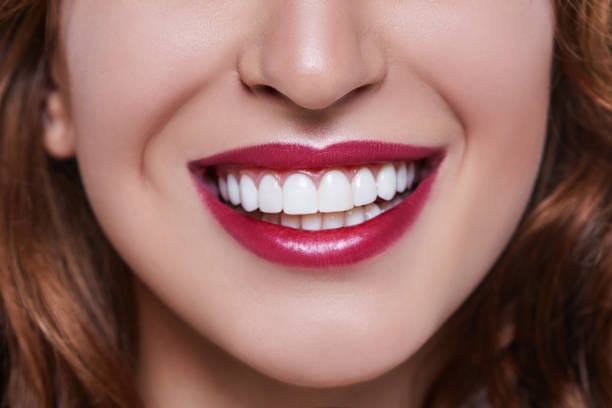

Coffee and tea are part of daily life for millions of people, offering comfort, energy, and relaxation throughout the day. However, regular consumption of these beverages often leads to gradual staining of the teeth, affecting the brightness of the smile over time. Many individuals exploring Teeth Whitening in Abu Dhabi are particularly interested in whether whitening treatments can effectively remove these common stains and restore a cleaner, more radiant appearance. The answer lies in understanding how these stains form and how whitening processes are designed to target them at different levels of the tooth surface.
- Why Coffee and Tea Stain Teeth So Easily
- How Teeth Whitening Targets Beverage Stains
- Can Whitening Fully Remove Coffee and Tea Stains?
- How Quickly Whitening Improves Stained Teeth
- Surface Stains vs Deep Stains from Coffee and Tea
- Why Some Stains Are More Stubborn Than Others
- The Role of Enamel in Stain Removal
- Maintaining Results After Removing Stains
- Emotional Benefits of a Stain-Free Smile
- Conclusion
- FAQs
Why Coffee and Tea Stain Teeth So Easily
Coffee and tea contain natural compounds known as tannins, which are highly responsible for tooth discoloration. These compounds have a strong tendency to bind to enamel, making it easier for pigments to settle and build up over time. When consumed regularly, even small amounts can gradually lead to visible staining.
In addition to tannins, the dark pigments present in these beverages also contribute to discoloration. As enamel is slightly porous, it allows these pigments to penetrate the surface and become more embedded with repeated exposure. This is why coffee and tea stains are among the most common types of tooth discoloration.
How Teeth Whitening Targets Beverage Stains
Teeth whitening works by breaking down the pigment molecules that cause discoloration within the enamel. The active whitening agents penetrate the tooth surface and interact with the stained compounds, breaking them into smaller, less visible particles. This process lightens the overall shade of the teeth and reduces the appearance of stains.
Because coffee and tea stains often exist both on the surface and within the enamel, whitening is particularly effective in addressing them. It targets multiple layers of discoloration, helping restore a brighter and more uniform appearance.
Can Whitening Fully Remove Coffee and Tea Stains?
Teeth whitening can significantly reduce or even remove many coffee and tea stains, especially when they are relatively new or moderate in intensity. In these cases, the improvement in brightness can be quite noticeable, resulting in a visibly cleaner smile.
However, deeply set stains that have accumulated over a long period may require more time to fully lighten. While whitening can still produce strong improvements, complete removal may depend on the depth and age of the discoloration. Even so, the overall appearance of the teeth becomes noticeably brighter and fresher.
How Quickly Whitening Improves Stained Teeth
One of the advantages of teeth whitening is the relatively quick improvement in tooth brightness. Many individuals begin to notice early changes shortly after starting the process, especially in the reduction of surface stains caused by coffee and tea.
As whitening continues, the teeth gradually become lighter and more even in color. This progressive transformation helps reduce the visible impact of long-term staining and restores a more balanced smile over time.
Surface Stains vs Deep Stains from Coffee and Tea
Coffee and tea stains can exist at different levels of the tooth. Surface stains are located on the outer layer of enamel and are typically easier to remove. These stains respond quickly to whitening and often show noticeable improvement early in the process.
Deep stains, on the other hand, develop when pigments penetrate further into the enamel over time. These require more consistent whitening efforts to fully address. While they may take longer to fade, they still respond well to treatment and can be significantly reduced with continued whitening.
Why Some Stains Are More Stubborn Than Others
Not all coffee and tea stains behave the same way. The frequency of consumption plays a major role in how stubborn the stains become. Regular exposure allows pigments to build up gradually, making them more resistant over time.
The natural structure of enamel also influences how stains form. Some enamel surfaces are more porous, allowing pigments to settle more easily. This means that two individuals with similar habits may experience different levels of staining and whitening response.
The Role of Enamel in Stain Removal
Enamel is the outer protective layer of the teeth, and it plays a crucial role in how whitening works. Although it protects the inner layers of the tooth, it also allows certain pigments to enter its structure over time. Whitening agents work by penetrating these microscopic spaces and lifting the embedded discoloration.
Healthier enamel tends to respond more effectively to whitening treatments. When enamel is in good condition, stains can be removed more efficiently, resulting in a brighter and more even smile.
Maintaining Results After Removing Stains
Once coffee and tea stains have been reduced or removed, maintaining the results becomes important. Since these beverages are commonly consumed, new stains can gradually develop again if exposure continues without balance.
Maintaining good oral hygiene helps slow down the return of discoloration. Clean teeth are less likely to accumulate pigments, which helps preserve the brightness achieved through whitening. Awareness of daily habits also plays a key role in extending the results.
Emotional Benefits of a Stain-Free Smile
A cleaner, brighter smile often has a positive effect on confidence and self-image. Many people feel more comfortable smiling freely when they are not concerned about visible stains. This increased confidence can improve social interactions and overall presence in daily life.
The removal of coffee and tea stains can also create a refreshed and more youthful appearance, which often contributes to a greater sense of satisfaction with one’s smile. This emotional boost is one of the reasons teeth whitening remains a popular choice.
Conclusion
Teeth whitening is an effective solution for reducing and removing stains caused by coffee and tea. By targeting both surface-level and deeper discoloration, it helps restore brightness and improve the overall appearance of the smile. While results vary depending on the depth and age of stains, noticeable improvement is commonly achieved with consistent whitening. For individuals who regularly consume these beverages, whitening offers a reliable way to maintain a cleaner, brighter, and more confident smile.
FAQs
Q1: Can teeth whitening completely remove coffee stains?
Teeth whitening can significantly reduce coffee stains, especially those that are newer or less deeply embedded.
Q2: Why do tea and coffee stain teeth so quickly?
They contain tannins and dark pigments that easily attach to enamel and build up over time.
Q3: Are coffee stains harder to remove than other stains?
They can be more stubborn due to frequent exposure and deep pigment penetration into enamel.
Q4: How long does it take to see improvement in stained teeth?
Many people notice early brightening quickly, with more visible results developing over time.
Q5: Will stains return after whitening?
Yes, continued consumption of staining beverages can gradually cause new discoloration, but good care helps maintain results.