

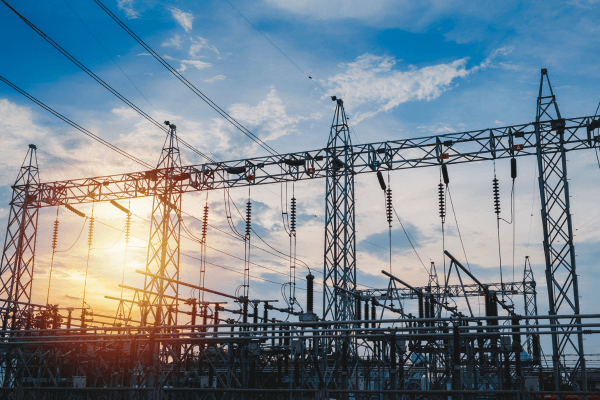

One of the key systems that help deliver electricity over long distances is overhead transmission lines. These lines carry electricity from power plants to cities, towns, and villages.
- What Are Overhead Transmission Lines?
- What Does EPC Mean?
- Importance of EPC Services in Transmission Projects
- Key Components of EPC Services for Overhead Transmission Lines
- 1. Route Survey and Planning
- 2. Design and Engineering
- 3. Material Procurement
- 4. Foundation Work
- 5. Tower Erection
- 6. Stringing of Conductors
- 7. Testing and Commissioning
- Types of Overhead Transmission Lines
- Challenges in EPC Projects
- 1. Land Acquisition Issues
- 2. Environmental Concerns
- 3. Weather Conditions
- 4. Logistics Problems
- 5. Safety Risks
- Solutions to Overcome Challenges
- Role of Technology in EPC Services
- Safety Measures in EPC Projects
- Environmental Considerations
- Cost Factors in EPC Projects
- Future Trends in EPC Services
- Why Choose EPC Services?
- Conclusion
In this process, EPC services for overhead transmission lines play a major role. EPC stands for Engineering, Procurement, and Construction. It is a complete solution where one company takes care of the entire project from start to finish. This blog will explain everything about EPC services in a simple and clear way.
What Are Overhead Transmission Lines?
Overhead transmission lines are structures used to carry electricity through wires that are supported by towers or poles. These lines are usually seen along highways, across fields, and between cities.
They include:
- Conductors (wires that carry electricity)
- Towers or poles
- Insulators
- Ground wires
- Hardware fittings
These lines are designed to carry high-voltage electricity over long distances with minimum loss.
What Does EPC Mean?
EPC stands for:
1. Engineering
This is the planning and design part. Engineers decide:
- Where the transmission line will go
- What type of towers will be used
- How much load the line will carry
- Safety measures and standards
2. Procurement
This involves purchasing all the required materials such as:
- Steel towers
- Conductors
- Insulators
- Equipment and tools
The goal is to get quality materials at the right cost and time.
3. Construction
This is the actual building phase. It includes:
- Site preparation
- Tower erection
- Stringing of conductors
- Testing and commissioning
Once everything is complete, the line is ready to transmit electricity.
Importance of EPC Services in Transmission Projects
EPC services make the entire project simple and well-organized. Instead of hiring different contractors for each step, one EPC contractor handles everything.
Key Benefits:
1. Single Responsibility
There is only one company responsible for the entire project. This reduces confusion and improves accountability.
2. Better Coordination
Since one team handles all stages, there is better communication between engineering, procurement, and construction teams.
3. Time Efficiency
Projects are completed faster because all activities are well planned and managed.
4. Cost Control
EPC contractors manage the budget carefully, reducing unexpected expenses.
5. Quality Assurance
Proper quality checks are done at every stage to ensure safety and reliability.
Key Components of EPC Services for Overhead Transmission Lines
Let’s understand the major parts involved in these services.
1. Route Survey and Planning
Before starting the project, a detailed survey is done. This includes:
- Studying the land and terrain
- Identifying obstacles like rivers, hills, and forests
- Planning the shortest and safest route
This step is very important to avoid future problems.
2. Design and Engineering
In this stage, engineers prepare detailed designs such as:
- Tower design
- Foundation design
- Electrical layouts
- Load calculations
Modern tools and software are used to ensure accurate designs.
3. Material Procurement
All necessary materials are sourced from trusted suppliers. This includes:
- Transmission towers
- Conductors and cables
- Insulators
- Bolts and fittings
Proper quality checks are done before using these materials.
4. Foundation Work
The foundation is the base of the tower. It must be strong to support the structure.
Steps include:
- Excavation
- Concrete pouring
- Setting anchor bolts
The type of foundation depends on soil conditions.
5. Tower Erection
After the foundation is ready, towers are installed.
This involves:
- Assembling tower parts
- Lifting and fixing them in place
- Ensuring proper alignment
Safety is very important during this step.
6. Stringing of Conductors
This is the process of installing wires between towers.
It includes:
- Pulling the conductors
- Maintaining proper tension
- Fixing insulators
This step requires skilled workers and proper equipment.
7. Testing and Commissioning
Before starting operation, the system is tested.
Tests include:
- Electrical testing
- Load testing
- Safety checks
After successful testing, the line is commissioned and becomes operational.
Types of Overhead Transmission Lines
There are different types of transmission lines based on voltage levels:
1. High Voltage (HV)
Used for medium-distance transmission.
2. Extra High Voltage (EHV)
Used for long-distance transmission with reduced power loss.
3. Ultra High Voltage (UHV)
Used for very long distances and large power transfer.
Each type requires specific EPC planning and execution.
Challenges in EPC Projects
EPC services for overhead transmission lines come with several challenges.
1. Land Acquisition Issues
Getting permission to use land can be difficult and time-consuming.
2. Environmental Concerns
Projects must follow environmental rules to protect forests, wildlife, and water bodies.
3. Weather Conditions
Rain, storms, and extreme heat can delay construction work.
4. Logistics Problems
Transporting heavy materials to remote areas is often challenging.
5. Safety Risks
Working at heights and handling high-voltage equipment requires strict safety measures.
Solutions to Overcome Challenges
EPC contractors use different strategies to handle these problems.
- Proper planning and route selection
- Use of advanced technology
- Skilled workforce and training
- Strong project management
- Following safety and environmental standards
These solutions help in completing projects successfully.
Role of Technology in EPC Services
Technology plays a big role in modern transmission projects.
1. GIS and Mapping Tools
Used for route planning and land surveys.
2. Drones
Help in inspection and monitoring of transmission lines.
3. Advanced Software
Used for design and simulation.
4. Smart Monitoring Systems
Track performance and detect faults quickly.
Technology improves efficiency, safety, and accuracy.
Safety Measures in EPC Projects
Safety is very important in transmission line projects.
Common Safety Practices:
- Use of protective gear (helmets, gloves, belts)
- Proper training for workers
- Regular safety checks
- Following standard procedures
- Emergency response planning
These measures help prevent accidents and ensure worker safety.
Environmental Considerations
EPC projects must also take care of the environment.
Key Practices:
- Avoiding forest areas when possible
- Minimizing land disturbance
- Proper waste management
- Using eco-friendly materials
These steps help reduce the impact on nature.
Cost Factors in EPC Projects
The cost of EPC services depends on many factors:
- Length of the transmission line
- Type of terrain
- Voltage level
- Material costs
- Labor charges
- Transportation expenses
Proper planning helps in controlling costs.
Future Trends in EPC Services
The future of EPC services for overhead transmission lines is very promising.
1. Smart Grids
Integration of smart systems for better power management.
2. Renewable Energy Projects
More transmission lines are needed to connect solar and wind power plants.
3. Automation
Use of machines and robots for construction and maintenance.
4. Digital Monitoring
Real-time tracking of system performance.
These trends will make transmission systems more efficient and reliable.
Why Choose EPC Services?
Choosing EPC services offers many advantages:
- Complete project management
- Reduced risks
- Faster execution
- Better quality control
- Cost efficiency
It is the best solution for large and complex transmission projects.
Conclusion
EPC services are essential for building strong and reliable overhead transmission lines. They cover every step of the project, from planning and design to construction and testing. With proper execution, these services ensure that electricity reaches every corner safely and efficiently.
As the demand for power continues to grow, the importance of EPC services for overhead transmission lines will also increase. Choosing the right EPC partner is very important for the success of any project.
If you are looking for trusted expertise and reliable solutions in this field, Krishna Urja stands as a dependable name, offering professional EPC services with a focus on quality, safety, and timely delivery.