

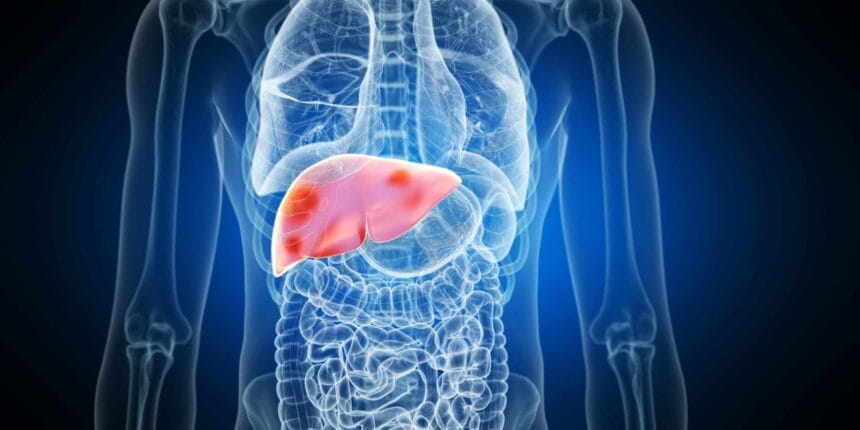

When we talk about fatty liver treatment, it is important to understand that early care and simple lifestyle changes can make a big difference. In many cases, the condition can be reversed if proper steps are taken at the right time.
- What Is Fatty Liver Disease?
- Why Fatty Liver Is More Common in Adults and Older Patients
- Symptoms of Fatty Liver Disease
- How Fatty Liver Is Diagnosed
- Fatty Liver Treatment: Simple and Effective Approaches
- 1. Healthy Diet Changes
- 2. Regular Physical Activity
- 3. Weight Management
- 4. Control of Medical Conditions
- 5. Avoid Alcohol
- 6. Medications (If Needed)
- Special Considerations for Older Patients
- Can Fatty Liver Be Reversed?
- Risks of Ignoring Fatty Liver
- Preventing Fatty Liver Disease
- When to See a Doctor
- Conclusion
This article explains everything in a clear and simple way, especially for adults and older patients who want to understand their condition and take control of their health.
What Is Fatty Liver Disease?
Fatty liver disease happens when excess fat builds up in the liver. Normally, the liver contains a small amount of fat, but when it becomes more than 5–10% of the liver weight, it is considered fatty liver.
There are two main types:
1. Non-Alcoholic Fatty Liver Disease (NAFLD)
This is the most common type and is not related to alcohol use. It is often linked to:
- Obesity
- Diabetes
- High cholesterol
- Sedentary lifestyle
2. Alcoholic Fatty Liver Disease
This occurs due to excessive alcohol consumption over time.
Why Fatty Liver Is More Common in Adults and Older Patients
As people age, the body’s metabolism slows down. This makes it easier for fat to build up in different organs, including the liver.
Common reasons include:
- Reduced physical activity
- Long-term unhealthy eating habits
- Chronic conditions like diabetes or high blood pressure
- Hormonal changes
Older patients may also take multiple medications, which can sometimes affect liver function.
Symptoms of Fatty Liver Disease
One of the biggest challenges is that fatty liver often has no symptoms in the early stage. Many people discover it during routine tests.
However, as the condition progresses, some signs may appear:
- Feeling tired or weak
- Mild pain or discomfort in the upper right abdomen
- Unexplained weight gain or loss
- Loss of appetite
- Swelling in the abdomen (in advanced cases)
If left untreated, fatty liver can lead to serious conditions like liver inflammation, fibrosis, or even cirrhosis.
How Fatty Liver Is Diagnosed
Doctors usually diagnose fatty liver through:
1. Blood Tests
To check liver enzyme levels.
2. Ultrasound Scan
A common and simple imaging test to detect fat in the liver.
3. CT Scan or MRI
Used in some cases for detailed imaging.
4. Liver Biopsy
Done only in advanced or unclear cases.
Regular check-ups are especially important for older adults to detect the condition early.
Fatty Liver Treatment: Simple and Effective Approaches
The good news is that fatty liver can often be managed and even reversed, especially in early stages. Treatment mainly focuses on improving lifestyle habits.
1. Healthy Diet Changes
Food plays a major role in liver health. A balanced diet can reduce fat in the liver.
What to Eat:
- Fresh fruits and vegetables
- Whole grains like oats and brown rice
- Lean protein (chicken, fish, legumes)
- Healthy fats (nuts, seeds, olive oil)
What to Avoid:
- Fried and oily foods
- Sugary drinks and sweets
- Processed foods
- Excess salt
Older patients should follow a diet that is easy to digest and rich in nutrients.
2. Regular Physical Activity
Exercise helps burn fat and improves liver function.
- Aim for at least 30 minutes of walking daily
- Light exercises like yoga or stretching are helpful for older adults
- Avoid long periods of sitting
Even simple activities like gardening or household work can help.
3. Weight Management
If a person is overweight, losing even 5–10% of body weight can significantly reduce liver fat.
However, weight loss should be gradual. Rapid weight loss can sometimes worsen liver health.
4. Control of Medical Conditions
Managing other health conditions is very important:
- Keep blood sugar under control (for diabetes)
- Maintain healthy cholesterol levels
- Monitor blood pressure
Regular medical supervision is essential, especially for older patients.
5. Avoid Alcohol
Alcohol can worsen liver damage, even in small amounts for some people.
Patients diagnosed with fatty liver should:
- Completely avoid alcohol or
- Strictly limit intake as advised by their doctor
6. Medications (If Needed)
There is no single specific medicine for fatty liver, but doctors may prescribe medications to manage related conditions such as:
- Diabetes medications
- Cholesterol-lowering drugs
- Vitamin supplements (like Vitamin E in some cases)
Always take medicines only under medical advice.
Special Considerations for Older Patients
Fatty liver treatment in older adults needs extra care because:
- Their metabolism is slower
- They may have multiple health conditions
- Their body may respond differently to medications
Tips for Older Patients:
- Follow a gentle and balanced diet
- Stay physically active within comfort level
- Avoid self-medication
- Go for regular health check-ups
- Stay hydrated
Family support also plays an important role in maintaining healthy habits.
Can Fatty Liver Be Reversed?
Yes, in many cases, fatty liver can be reversed, especially in early stages.
With proper lifestyle changes:
- Fat accumulation can reduce
- Liver function can improve
- Risk of complications can decrease
However, if the condition progresses to advanced stages like cirrhosis, it may not be fully reversible. That is why early action is very important.
Risks of Ignoring Fatty Liver
If fatty liver is not treated, it can lead to serious complications:
- Non-Alcoholic Steatohepatitis (NASH) – inflammation of the liver
- Fibrosis – scarring of liver tissue
- Cirrhosis – severe liver damage
- Liver failure
These conditions can be life-threatening and require intensive treatment.
Preventing Fatty Liver Disease
Prevention is always better than treatment. Simple habits can protect your liver:
- Eat a balanced diet
- Exercise regularly
- Maintain a healthy weight
- Avoid excessive alcohol
- Get regular health screenings
Even small changes can make a big difference over time.
When to See a Doctor
You should consult a doctor if you:
- Feel constant fatigue
- Have abdominal discomfort
- Have diabetes or obesity
- Have abnormal liver test results
Early consultation helps in proper diagnosis and effective management.
Conclusion
Fatty liver disease is a common but manageable condition, especially when detected early. With the right lifestyle changes, proper diet, and medical guidance, it is possible to improve liver health and prevent serious complications.
Understanding the importance of fatty liver treatment can help adults and older patients take control of their health and lead a better quality of life.
For personalized care and expert guidance, consulting a qualified specialist like Dr. Neil Philip Galletly can help you create a treatment plan that suits your individual needs and health condition.