


Gum pimples, also known as dental abscesses or gum boils, are small, swollen bumps that appear on the gums due to bacterial infection. While they may seem like a minor dental issue, gum pimples are often a sign of a deeper problem that requires attention. Ignoring them can lead to serious complications, including the spread of infection and damage to surrounding teeth and tissues. Understanding the signs, causes, and effective treatments can help you manage this condition and maintain good oral health.
What Are Gum Pimples?
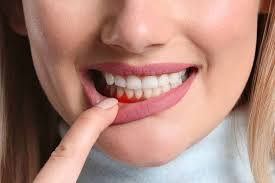
A gum pimple is a pus-filled swelling that forms in the gum tissue when bacteria enter and cause an infection. These bumps may appear red, white, or yellow and can vary in size. They often develop near the root of a tooth or along the gum line.
A gum pimple is a localized infection that develops in the gum tissue when bacteria enter through a cavity, injury, or existing gum disease. This gum pimple forms as the body sends white blood cells to fight the infection, leading to the buildup of pus. As a result, a gum pimple appears as a swollen, and sometimes painful, bump on the gums.
Common Signs of Gum Pimples
Recognizing the early signs of gum pimples is important for timely treatment. The most noticeable symptom is a small bump on the gums. This bump may be soft or firm and can be painful when touched.
Pain is one of the most common symptoms. It can range from mild discomfort to severe, throbbing pain that worsens when chewing or biting. Swelling in the gums or face may also occur, especially if the infection spreads.
Other signs include a bad taste in the mouth, persistent bad breath, and sensitivity to hot or cold foods. If the gum pimple bursts, you may notice a discharge of pus, which can have an unpleasant taste.
In more serious cases, symptoms such as fever, fatigue, and general discomfort may develop. These indicate that the infection could be spreading and requires immediate dental care.
Causes of Gum Pimples
Gum pimples can develop due to several underlying causes, most of which are related to bacterial infections. One of the primary causes is poor oral hygiene. When plaque and food particles accumulate on the teeth and gums, bacteria multiply and increase the risk of infection.
Tooth decay is another common cause. Untreated cavities allow bacteria to reach the inner layers of the tooth, eventually leading to infection at the root. This infection can spread to the surrounding gum tissue, forming a gum pimple.
Other symptoms can include sensitivity to hot and cold foods, fever, and general discomfort. These signs indicate that the infection may be spreading and requires immediate attention from Broadway Family professionals.
A cracked or broken tooth can create an entry point for bacteria. Even a small fracture can lead to infection if not treated promptly. Similarly, dental procedures that have not healed properly may sometimes result in gum infections.
Food particles trapped between teeth and gums can also play a role by creating a breeding ground for bacteria. Over time, this can lead to infection and swelling.
Effective Treatment Options
Treating gum pimples effectively requires addressing the root cause of the infection. The first and most important step is to visit a dentist for a proper diagnosis and treatment plan.
One common treatment is draining the abscess. The dentist makes a small incision in the gum pimple to release the pus and clean the infected area. This helps reduce pressure and provides immediate relief from pain.
If the infection originates from inside the tooth, a root canal procedure may be necessary. During this treatment, the dentist removes the infected pulp, cleans the inside of the tooth, and seals it to prevent further infection.
In cases where the tooth is severely damaged or cannot be saved, extraction may be required. Removing the affected tooth eliminates the source of infection and prevents it from spreading.
Antibiotics may be prescribed to control the infection, especially if it has spread beyond the gums. Pain relievers can also help manage discomfort during the healing process.
Home Care and Relief Tips
While professional treatment is essential, there are several home care measures that can provide temporary relief from gum pimples. Rinsing your mouth with warm salt water is one of the simplest and most effective remedies. It helps reduce inflammation and kills bacteria.
Maintaining good oral hygiene is crucial. Brushing your teeth twice a day, flossing daily, and using an antibacterial mouthwash can help prevent further buildup of bacteria.
Avoid foods that can irritate the affected area, such as very hot, cold, or sugary items. Soft foods are easier to chew and can help reduce discomfort.
Applying a cold compress to the outside of your cheek can help reduce swelling and numb pain. However, these remedies should only be used as supportive care and not as a substitute for professional dental treatment.
Prevention Tips
Preventing gum pimples involves maintaining a consistent oral care routine. Regular brushing and flossing help remove plaque and bacteria, reducing the risk of infection.
Routine dental checkups are also important. Visiting your dentist every six months allows early detection and treatment of issues such as cavities and gum disease.
A healthy diet plays a role in oral health as well. Limiting sugary foods and drinks and consuming nutrient-rich foods can strengthen your teeth and gums.
Avoid habits that can damage your teeth, such as chewing hard objects or neglecting oral hygiene. Taking care of your teeth and gums can significantly reduce the chances of developing gum pimples.
When to Seek Professional Help
It is important to seek dental care if you notice a gum pimple that does not go away within a few days. Persistent pain, swelling, fever, or difficulty chewing are signs that the infection may be serious.
Delaying treatment can lead to complications, including the spread of infection to other parts of the body. Early intervention ensures faster recovery and better outcomes.
Conclusion
Gum pimples are more than just small bumps on the gums—they are signs of infection that require attention. By understanding the signs, identifying the causes, and seeking effective treatment, you can protect your oral health and avoid serious complications. Maintaining good oral hygiene and visiting your dentist regularly are key steps in keeping your gums healthy and your smile strong.