

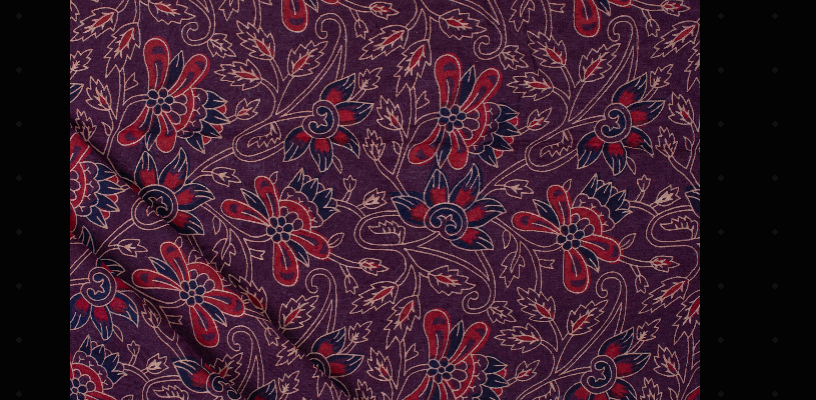

Hand block printing is one of the oldest and most cherished textile art forms in India, representing a rich blend of tradition, craftsmanship, and cultural identity. This intricate technique, passed down through generations, continues to thrive in regions like Rajasthan and Gujarat, where artisans skillfully create beautiful patterns using hand-carved wooden blocks.
At its core, hand block printing involves stamping designs onto fabric using carved wooden blocks dipped in natural or synthetic dyes. Each block is meticulously crafted by skilled artisans, often taking days or even weeks to complete. The designs range from floral motifs and geometric patterns to intricate paisleys, reflecting the cultural heritage and artistic sensibilities of the region.
The process of hand block printing is both labor-intensive and precise. It begins with preparing the fabric, usually cotton or silk, which is washed and treated to ensure it absorbs the dye effectively. The artisan then dips the block into dye and presses it firmly onto the fabric in a repetitive pattern. Maintaining alignment and consistency requires immense skill and experience, as even a slight misplacement can affect the overall design.
One of the most distinctive aspects of hand block print fabric is its uniqueness. Unlike machine-printed textiles, no two pieces are exactly alike. Minor variations in color and pattern add to the charm and authenticity of the fabric, making each piece a work of art. This individuality is highly valued in a world increasingly dominated by mass production.
Hand block printing also promotes sustainability. Traditionally, artisans use natural dyes derived from plants, minerals, and other organic sources, making the process environmentally friendly. Additionally, the slow, manual nature of production reduces energy consumption and supports local economies by providing livelihoods to skilled craftsmen.
In contemporary fashion and home décor, hand block print fabrics have gained renewed popularity. Designers and consumers alike appreciate their aesthetic appeal, cultural significance, and eco-friendly qualities. From garments like sarees, kurtas, and scarves to home furnishings such as bed linens and curtains, these fabrics offer versatility and timeless elegance.
Despite its beauty and heritage, the craft faces challenges in the modern era. Competition from cheaper, machine-made imitations threatens the livelihood of artisans. However, increasing awareness and appreciation for handmade products are helping to revive interest in authentic hand block prints. Initiatives by designers, organizations, and conscious consumers play a crucial role in sustaining this traditional art form.
In conclusion, hand block print fabric is more than just a textile—it is a story of heritage, skill, and artistic expression. Supporting this craft not only preserves a centuries-old tradition but also empowers artisans and promotes sustainable fashion. As we move toward a more mindful and ethical future, hand block printing stands as a symbol of authenticity and cultural pride.