

Understanding Sensitive Skin Areas
Sensitive skin areas are regions where the skin is thinner, more delicate, or prone to irritation. These areas may be more reactive to procedures due to their structure and the presence of specialized nerve endings or less protective tissue. Common sensitive areas include the eyelids, lips, neck, underarms, and inner arms.
- Understanding Sensitive Skin Areas
- Types of Moles in Sensitive Areas
- Methods of Mole Removal for Sensitive Skin
- Preparing Sensitive Skin for Mole Removal
- Healing Process in Sensitive Areas
- Managing Texture and Appearance
- Factors Affecting Results
- Long-Term Benefits for Sensitive Areas
- FAQs About Mole Removal on Sensitive Skin
- Can all sensitive areas undergo mole removal?
- Is healing slower in delicate areas?
- How is texture preserved during removal?
- Will the treated area blend with surrounding skin?
- Are multiple sessions needed for delicate skin?
- Can mole removal prevent irritation in sensitive areas?
- Final Thoughts
The sensitivity of these areas means that mole removal requires precise technique and careful planning. Treatment must minimize trauma to the surrounding skin while ensuring complete removal of the mole.
Types of Moles in Sensitive Areas
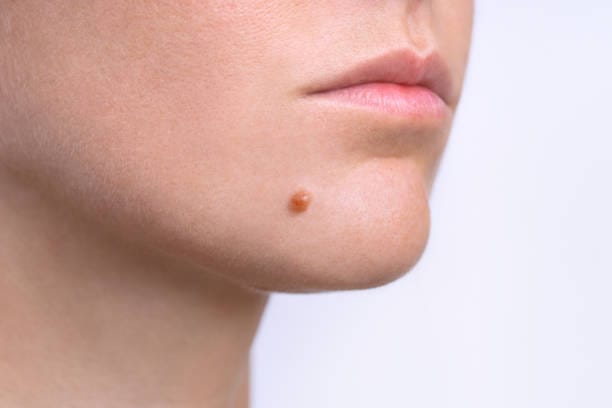
Moles in sensitive skin areas can vary in size, color, and texture. Some may be flat and lightly pigmented, while others are raised or darker in color. The type of mole often dictates the most suitable removal method.
Flat, superficial moles in sensitive areas can often be treated with gentle removal techniques that minimize impact on surrounding tissue. Raised or deeper moles may require more precise methods to ensure that the skin heals evenly without noticeable changes in texture.
Methods of Mole Removal for Sensitive Skin
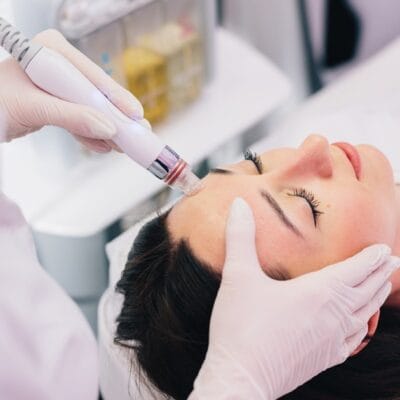
Several mole removal methods are suitable for sensitive skin, with the goal of reducing disruption to delicate tissue. Surface-level methods, such as targeted laser or ablation techniques, focus on removing pigmentation while preserving the surrounding skin structure.
For deeper moles, excision may be necessary. In sensitive areas, this is often done with careful planning to remove the mole along with a minimal margin of tissue, allowing for smoother healing and blending with the surrounding skin. The choice of method depends on mole characteristics and the specific needs of the sensitive skin area.
Preparing Sensitive Skin for Mole Removal
Preparation is key to successful mole removal in delicate areas. The skin should be clean, hydrated, and free from irritation prior to the procedure. Pre-treatment care ensures that the mole can be removed effectively while reducing stress on surrounding tissue.
In sensitive areas, proper preparation may also include measures to protect the skin during the procedure, such as gentle support or precise positioning, ensuring that the treatment is targeted and minimally invasive.
Healing Process in Sensitive Areas
Healing in sensitive skin areas can differ from other regions due to tissue structure and reduced thickness. Immediately after mole removal, the treated area may appear slightly red, raised, or irritated. This is a natural part of the healing process.
Over time, collagen and tissue regeneration restore smoothness and uniformity. Delicate skin often requires careful post-treatment care, including gentle cleansing and protection, to support healing and minimize prolonged differences in appearance or texture.
Managing Texture and Appearance
Maintaining natural skin texture is particularly important in sensitive areas. The goal of mole removal is not only to remove the mole but also to ensure that the skin surface remains smooth and consistent.
Techniques used in delicate areas prioritize precision to avoid creating depressions, bumps, or uneven pigmentation. With proper care, the treated area gradually blends with the surrounding skin, preserving a natural appearance.
Factors Affecting Results
Several factors influence the results of mole removal in sensitive skin areas. Mole size, depth, and pigmentation are primary considerations, as larger or deeper moles may require additional care to ensure smooth healing.
Individual skin characteristics, such as elasticity, thickness, and natural tone, also play a role in how quickly and effectively the skin recovers. Environmental factors, including sun exposure and friction, may further influence the appearance of the treated area over time.
Long-Term Benefits for Sensitive Areas
Mole removal in sensitive skin areas provides long-term benefits beyond immediate cosmetic improvement. The treated area can become smoother, more uniform in color, and less prone to irritation.
In addition, removing moles from delicate areas reduces the risk of friction or trauma, improving comfort and protecting skin integrity over time. Proper healing and care help maintain the natural look and feel of the skin, contributing to confidence in appearance and long-term skin health.
FAQs About Mole Removal on Sensitive Skin
Can all sensitive areas undergo mole removal?
Most sensitive areas can be treated, but the method and care taken depend on the skin’s thickness, location, and the mole’s characteristics.
Is healing slower in delicate areas?
Healing can take slightly longer in sensitive regions due to thinner skin and reduced tissue protection, but proper care supports smooth recovery.
How is texture preserved during removal?
Precision techniques, gentle handling, and careful post-treatment care help maintain natural texture in sensitive skin areas.
Will the treated area blend with surrounding skin?
With proper healing, the area gradually integrates with surrounding tissue, achieving a smooth and uniform appearance.
Are multiple sessions needed for delicate skin?
Some moles, particularly larger or deeper ones, may require more than one session to ensure complete removal while preserving delicate tissue.
Can mole removal prevent irritation in sensitive areas?
Yes, removing moles from areas prone to friction or rubbing reduces ongoing irritation and discomfort over time.
Final Thoughts
Mole removal in sensitive skin areas requires specialized attention to preserve texture, appearance, and comfort. By understanding the characteristics of delicate skin and selecting appropriate removal methods, individuals can achieve effective and aesthetically pleasing results.