

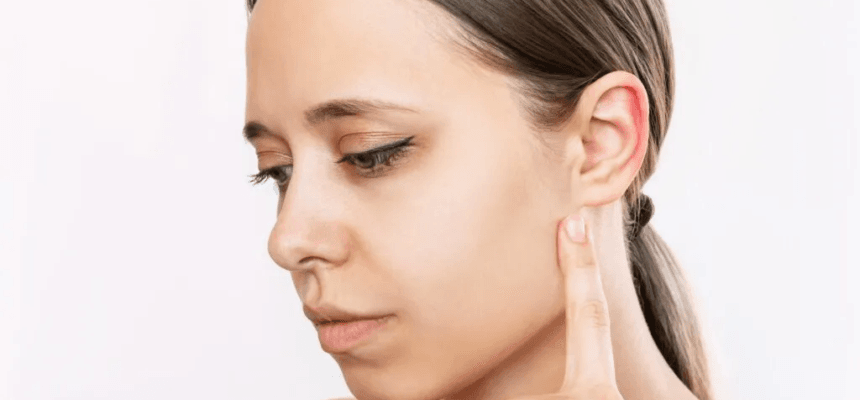

When it comes to facial aesthetics, symmetry is often the silent partner of beauty. While we frequently focus on the eyes, nose, or lips, the ears play a foundational role in framing the face. For individuals who feel their ears are overly prominent or uneven, it can lead to a long-term impact on self-image.
Seeking a solution for protruding or misshapen ears is a common journey for both children and adults. Ear Reshaping | Otoplasty in Abu Dhabi is a specialized procedure designed to bring the ears into a more natural alignment with the rest of the facial features, ensuring that no single element distracts from a person’s overall appearance.
Understanding the Concept of Ear Symmetry
Symmetry in the human body is rarely perfect, but in the context of the ears, significant deviations can be quite noticeable. Ear symmetry doesn’t necessarily mean that both ears must be identical mirror images; rather, it refers to their proportional relationship to the head and to each other. When one ear sticks out further than the other, or when the folds of the cartilage are underdeveloped on one side, the face can appear unbalanced.
The Role of Ear Position in Facial Aesthetics
The ears serve as the “brackets” of the face. Ideally, they should sit at a specific angle and distance from the scalp. If they reside outside of these standard aesthetic parameters, they often become the focal point of a person’s profile. Achieving symmetry involves adjusting the antihelical fold or reducing the conchal bowl—the deep, cup-like area of the external ear—to create a more streamlined look.
Psychological Impact of Ear Irregularities
Feeling self-conscious about one’s ears often starts in childhood and can persist into adulthood. Whether it is “lopping” (where the top of the ear folds down) or “protrusion” (where the ears stick out), these physical traits can affect how a person interacts socially. Improving symmetry is often less about vanity and more about restoring a sense of normalcy and confidence.
How the Reshaping Process Corrects Asymmetry
The process of reshaping the ear is a blend of medical precision and artistic vision. Because every ear is unique, the approach must be highly customized. The goal is to create a natural-looking ear that matches the opposite side as closely as possible, while also ensuring the ears do not look “pinned back” or artificially flat.
Cartilage Remodeling and Sculpting
The primary structure of the ear is made of cartilage. To improve symmetry, this cartilage must be reshaped. This is often done by creating or reinforcing the antihelical fold—the curved ridge of cartilage just inside the outer rim. By folding the cartilage and securing it with internal sutures, the ear can be positioned closer to the head.
Addressing the Conchal Bowl
In many cases, asymmetry is caused by an overdeveloped conchal bowl. This is the largest piece of cartilage in the ear that connects to the side of the head. If this area is too deep, it pushes the entire ear forward. During a reshaping procedure, this excess cartilage can be adjusted to allow the ear to sit at a more aesthetically pleasing angle relative to the skull.
Correcting Earlobe Shape and Size
Symmetry isn’t just about the top or middle of the ear; the lobes play a significant role too. Large, stretched, or uneven earlobes can be reshaped to match. This ensures that the entire silhouette of the ear, from the top curve to the bottom tip, is in harmony with the other side.
The Structural Benefits of Otoplasty
Beyond the aesthetic improvements, reshaping the ears provides structural benefits that contribute to a permanent change in the facial profile. By modifying the underlying framework, the results are designed to last a lifetime, providing a stable and balanced appearance.
Creating a Defined Antihelical Fold
Many people with protruding ears lack a defined antihelical fold. Without this fold, the ear remains flat and fans outward. By surgically recreating this fold, the ear gains a more three-dimensional, anatomical shape that mimics the natural contours of a standard ear.
Permanent Repositioning
Unlike temporary measures, surgical reshaping provides a permanent fix. Once the cartilage is reshaped and healed in its new position, it maintains that form. This is particularly beneficial for children, as it prevents the social challenges often associated with ear prominence during formative years.
Enhancing the Profile View
While we often look at ourselves in the mirror from the front, our ears are most visible to others from the side and back. Symmetry ensures that the profile view is consistent. When the ears are positioned correctly, they no longer “break” the line of the head, allowing the jawline and cheekbones to stand out more effectively.
The Journey Toward Better Ear Proportion
The path to achieving symmetrical ears involves careful planning and an understanding of facial proportions. It is a transformative process that focuses on the fine details of anatomy to produce a result that looks entirely natural.
Customization for Each Ear
It is rare for both ears to require the exact same amount of correction. One ear might need more folding, while the other might require a reduction in cartilage. A professional approach involves measuring the distance from the ear rim to the scalp on both sides to ensure the final result is as balanced as possible.
Maintaining Natural Contours
The hallmark of a successful ear reshaping is that the ears do not look like they have been operated on. This requires maintaining the soft curves and natural “valleys” of the ear’s surface. Precision techniques ensure that the skin drapes naturally over the newly sculpted cartilage.
Long-Term Satisfaction and Confidence
The most significant outcome of improving ear symmetry is the shift in self-perception. Individuals often find they are more comfortable wearing their hair up or short, and they no longer feel the need to hide their ears behind hats or hair. This newfound freedom is the ultimate goal of the reshaping process.
Summary Points
Aesthetic Framing: Ears act as the frame for the face; correcting asymmetry ensures they do not distract from other features.
Cartilage Focus: The procedure primarily involves sculpting and folding the ear’s cartilage to create a more natural fold and angle.
Addressing Protrusion: By reducing the conchal bowl or recreating the antihelical fold, ears are brought closer to the head.
Permanent Results: Once the structure is reshaped, the changes are long-lasting, providing a lifetime of improved symmetry.
Psychological Boost: Correcting uneven ears often leads to increased self-esteem and a release from social anxieties related to appearance.
Customized Approach: Each ear is treated individually to account for specific differences in shape, size, and projection.
Frequently Asked Questions
Can ear reshaping be performed on just one ear?
Yes. Many individuals have “unilateral” protrusion, where only one ear sticks out or is misshapen. In these cases, the procedure is focused entirely on the one ear to bring it into alignment with the natural shape of the other, though sometimes minor adjustments are made to both to ensure the best possible match.
Is the procedure suitable for children?
Ear reshaping is very common for children, usually once the ear cartilage has reached full growth, which typically occurs around the age of five or six. Improving ear symmetry at a young age can help prevent the teasing or self-consciousness that often occurs during school years.
Will the results look natural?
The goal of modern ear reshaping is to create a result that looks completely natural. By following the anatomical landmarks of the ear and avoiding “over-correction,” the ears will sit at a normal angle without looking pinned or flat against the head.
How long does the improvement in symmetry last?
The structural changes made to the ear cartilage are intended to be permanent. Once the ears have healed in their new position, the cartilage retains that shape for the rest of the person’s life, barring any significant trauma to the area.