
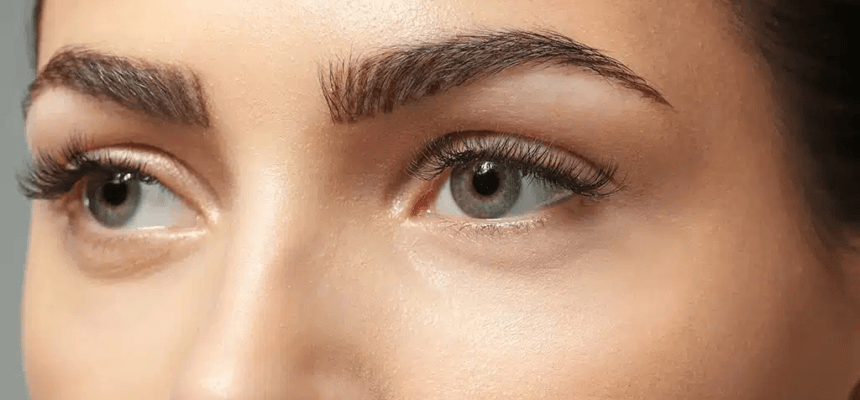

The face is often described as a canvas, and the eyebrows are the essential frames that define its proportions and expressiveness. When eyebrows become thin or patchy due to over-plucking, genetics, or various medical conditions, it can significantly impact a person’s self-image and facial symmetry. Modern aesthetic solutions have evolved beyond temporary fixes like pencils and gels, moving toward permanent, natural-looking results. An Eyebrow Hair Transplant in Abu Dhabi has emerged as a premier choice for those seeking a long-term restoration of their facial features, utilizing advanced microsurgical techniques to relocate hair follicles to the brow area.
- Understanding the Anatomy of the Eyebrow
- The Science Behind Hair Restoration
- The Consultation and Design Phase
- Step-by-Step Breakdown of the Procedure
- The Recovery and Growth Timeline
- Maintenance of Transplanted Brows
- Who is an Ideal Candidate?
- Key Benefits of Brow Restoration
- Summarizing the Informative Intent
- Frequently Asked Questions
Understanding the Anatomy of the Eyebrow
Before diving into the procedure, it is vital to understand why eyebrows are unique compared to the hair on your scalp. Unlike scalp hair, which grows in various directions and can reach significant lengths, eyebrow hairs grow at a very acute angle to the skin. They also have a much shorter growth cycle.
The Importance of Growth Angles
The hair on the inner part of the eyebrow usually points upward, while the hair in the middle and tail sections grows horizontally and slightly downward. A successful restoration must mimic these precise angles to ensure the result looks organic and blends seamlessly with any existing hair.
Density and Texture Requirements
Eyebrow hair is typically finer than scalp hair. During a restoration process, specialists carefully select donor follicles—usually from the back of the neck or behind the ears—that most closely match the texture and caliber of natural brow hair to maintain visual consistency.
The Science Behind Hair Restoration
Hair restoration is grounded in the principle of donor dominance. This means that hair follicles moved from one part of the body to another retain their genetic characteristics, allowing them to continue growing in their new location for a lifetime.
Follicular Unit Extraction (FUE)
This is the most common technique used for brow enhancement. It involves extracting individual follicular units one by one. This method is highly favored because it does not require linear incisions, leading to a more comfortable recovery and minimal visible marks in the donor area.
Follicular Unit Transplantation (FUT)
In certain cases, a small strip of tissue is taken to harvest the follicles. While less common for eyebrows, it is sometimes used when a high volume of grafts is needed. The follicles are then meticulously dissected under a microscope before being prepared for placement.
The Consultation and Design Phase
The most critical step in restoring full brows is the design phase. This is where the artistry of the specialist meets the expectations of the individual.
Mapping the Ideal Shape
A specialist uses facial measurements to determine where the brow should begin, where the arch should peak, and where the tail should end. This is often based on the “Golden Ratio” to ensure the new brows complement the unique bone structure of the individual.
Customizing Thickness and Length
Every face requires a different brow density. Some may prefer a bold, “power brow” look, while others seek a soft, subtle enhancement. During the planning stage, the number of grafts—ranging from 50 to 400 per eyebrow—is determined based on these aesthetic goals.
Step-by-Step Breakdown of the Procedure
The restoration process is a detailed, multi-hour session that requires immense precision and patience from the specialist.
Preparation of the Donor Area
A small section of hair at the back of the head is typically trimmed to allow for the extraction of follicles. The area is cleaned and prepared to ensure a sterile environment.
Extraction of Follicles
Using specialized micro-tools, the specialist extracts the healthiest hair follicles. These units are kept in a nutrient-rich solution to maintain their viability outside the body until they are ready for implantation.
Site Creation and Implantation
The specialist creates tiny “recipient sites” in the brow area. This is the most artistic part of the process, as the specialist must determine the exact depth, angle, and direction of every single hair to ensure the final result looks completely natural.
The Recovery and Growth Timeline
Patience is key when it’s comes to hair restoration. The body needs time to integrate the new follicles and begin the growth cycle.
The First Week
Immediately following the procedure, the area may show some redness or minor crusting around the grafts. This is a normal part of the healing process. It is essential to keep the area clean and avoid touching the new grafts to ensure they “take” successfully.
The Shedding Phase
A few weeks after the procedure, the newly transplanted hairs will fall out. This is known as “shock loss” and is a perfectly normal part of the cycle. The follicles themselves remain healthy and dormant beneath the skin.
New Growth and Maturation
New hair typically begins to sprout within three to four months. By the six-month mark, the brows look significantly fuller. The final, polished results are usually visible between ten to twelve months after the procedure.
Maintenance of Transplanted Brows
Because the hairs transplanted to the eyebrows come from the scalp, they retain the growth characteristics of scalp hair. This means they will grow longer than original eyebrow hair.
Regular Trimming
Unlike natural brow hair that stops growing at a certain length, transplanted hair needs to be trimmed every few weeks. This is a simple grooming task that allows individuals to maintain their desired shape and length.
Shaping and Styling
Once the brows are fully grown, they can be styled just like natural hair. They can be brushed, gelled, or even tinted. Because it is your own living hair, the result is permanent and reacts naturally to the environment.
Who is an Ideal Candidate?
Most people who are unhappy with the density of their eyebrows are potential candidates for this restorative procedure.
Correcting Over-Plucking
Years of aggressive grooming can damage hair follicles permanently. Restoration provides a way to reclaim the natural brow shape that may have been lost over time.
Addressing Genetic Thinning
Some individuals are born with naturally sparse eyebrows. In these cases, the procedure is used to create a definition that was never there before, enhancing the overall facial aesthetic.
Key Benefits of Brow Restoration
Choosing a surgical restoration over temporary cosmetic fixes offers several distinct advantages.
A Permanent Solution
While microblading or eyebrow tattooing fades over time and requires frequent touch-ups, a transplant provides a lifetime of growth. It is a one-time investment in one’s appearance.
Authenticity and Texture
No cosmetic product can perfectly mimic the 3D texture of real hair. A transplant uses your own biological material, ensuring that the texture and color are a perfect match.
Low Long-Term Maintenance
Aside from occasional trimming, transplanted eyebrows do not require the daily application of makeup or the fear of smudging during exercise or swimming.
Summarizing the Informative Intent
- Natural Definition: The primary goal is to restore facial symmetry using the patient’s own hair for a realistic look.
- Microsurgical Precision: Techniques like FUE allow for individual follicle placement without significant downtime.
- Artistic Design: Success relies on mapping the brow according to facial proportions and the “Golden Ratio.”
- Lifetime Results: Once the follicles are established, they continue to grow indefinitely, unlike temporary cosmetic tattoos.
- Growth Cycles: Understanding that “shock loss” is temporary helps manage expectations during the healing phase.
- Grooming Requirements: Since scalp hair grows faster, regular trimming becomes a standard part of the maintenance routine.
- Candidate Suitability: Ideal for those with thinning hair due to genetics, age, or past grooming habits.
Frequently Asked Questions
Will the transplanted eyebrow hair change color over time?
The transplanted hair will behave exactly like the hair on the back of your head. If your scalp hair eventually turns gray, the eyebrow hair will follow the same biological timeline. It can be dyed just like natural brow hair if desired.
How long does the actual procedure take?
Depending on the number of grafts required to achieve the desired density, the procedure typically takes between three to six hours. It is performed in a comfortable setting, and individuals can usually listen to music or watch a movie during the process.
Can I choose a completely different eyebrow shape than what I naturally have?
Yes. One of the greatest benefits of this procedure is the ability to redesign the brow. Whether you want a higher arch, a thicker base, or a longer tail, the specialist can “draw” the new shape before the surgery begins to ensure it meets your aesthetic goals.
Is the hair growth from a transplant permanent?
Yes, the follicles are harvested from “permanent” zones of the scalp that are not genetically programmed to fall out. Once these follicles take root in the eyebrow area, they will continue to produce hair for the rest of your life.