

Tattoo removal is a process that requires patience and consistency, a journey guided by Tattoo Removal Abu Dhabi to achieve effective results. One of the most common questions people have is how long it takes before visible results appear. Understanding the timeline of fading and the factors that influence it can help set realistic expectations and improve the overall experience.
- How Tattoo Removal Works
- Factors Affecting Visible Results
- Skin Type and Location
- Gradual Fading Process
- Timeline for Results
- Maintaining Skin Health During Treatment
- Factors That May Influence Results
- Frequently Asked Questions
- When do tattoos start showing visible fading?
- Do black and colored tattoos fade at the same rate?
- How does tattoo location affect fading?
- Does tattoo age influence visible results?
- How many sessions are typically needed for noticeable results?
- Conclusion
How Tattoo Removal Works
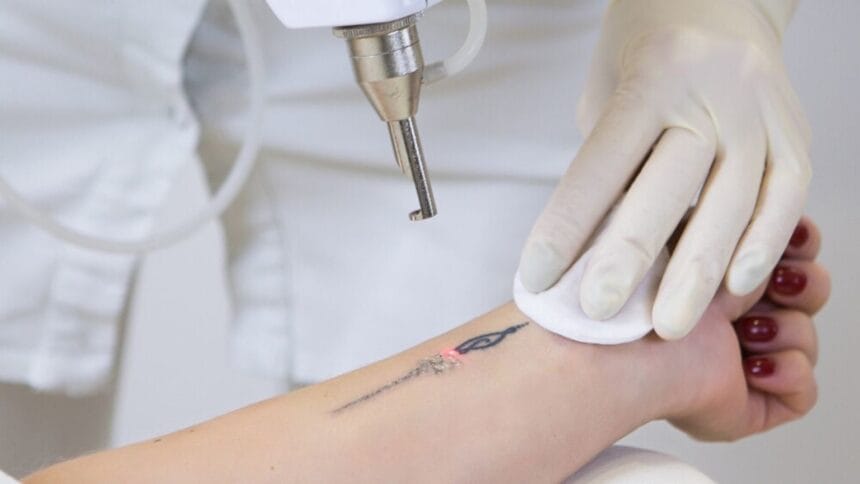
Tattoo removal relies on the body’s ability to process fragmented pigments. Laser technology is the most common method, where concentrated pulses of light target the tattoo ink. The energy breaks pigment particles into smaller fragments, which are gradually cleared by the body’s natural processes.
The visible results are a combination of pigment breakdown and the body’s efficiency in removing these particles. Because the process is gradual, immediate changes are not usually visible, and multiple sessions are typically required for significant fading.
Factors Affecting Visible Results
Several factors influence how quickly tattoo removal shows results. Ink color is a primary factor. Black and darker inks absorb laser energy more efficiently, often leading to faster visible fading. Colored inks, especially lighter or reflective tones like yellow, pink, and white, may require additional sessions to show noticeable improvement.
The depth and density of the tattoo also play a role. Heavily saturated tattoos or those with multiple layers of ink tend to fade more slowly. Older tattoos often respond more predictably because natural fading has already occurred over time.
Skin Type and Location
Skin type and tone can impact how quickly results are visible. Lighter skin often provides better contrast, allowing pigment changes to be more noticeable. Thicker or more sensitive skin areas may require additional time for fading to become apparent.
Tattoo location is another factor. Areas with higher blood flow, such as the arms, may show results more quickly. Areas with slower circulation, such as the lower legs, may experience more gradual fading. Skin elasticity and thickness also influence how effectively laser energy penetrates and breaks down pigments.
Gradual Fading Process
Visible results usually occur gradually over multiple sessions. After the first session, slight fading may be noticed within a few weeks, but significant changes typically become apparent after several treatments. The skin’s natural healing and immune response contribute to the gradual removal of pigment.
Spacing between sessions is important to allow the body to process the broken-down pigment. Rushing sessions can overwork the skin and may reduce the effectiveness of each treatment. Consistent intervals support steady and noticeable fading over time.
Timeline for Results
While the timeline varies for each individual, some general observations can be made. Black tattoos often show visible improvement after the first or second session. Colored tattoos may take longer, sometimes requiring additional sessions before changes become noticeable.
Complete removal or significant fading can take several months to over a year, depending on the tattoo’s size, complexity, pigment type, and location. Patience and adherence to session schedules are key to achieving the best results.
Maintaining Skin Health During Treatment
Supporting the skin during the removal process helps achieve visible results more efficiently. Proper hydration, sun protection, and gentle care between sessions maintain the skin’s resilience and aid the body’s ability to process pigment.
Monitoring the skin’s response after each session helps determine when the next treatment should be scheduled and ensures that fading progresses evenly. Consistent skin care supports gradual improvement and enhances the overall outcome of tattoo removal.
Factors That May Influence Results
Individual healing rates vary, so results can differ from person to person. Factors such as immune system efficiency, lifestyle habits, and overall skin health affect how quickly pigment is cleared.
Tattoo age is also significant. Older tattoos that have already faded naturally tend to respond more quickly to removal. Newer tattoos may require more sessions to achieve the same visible results due to dense pigment deposition.
Frequently Asked Questions
When do tattoos start showing visible fading?
Visible fading usually begins a few weeks after the first session, with more noticeable results occurring after multiple treatments.
Do black and colored tattoos fade at the same rate?
No. Black tattoos generally fade faster due to dense pigment and light absorption. Colored tattoos, especially lighter shades, often require additional sessions.
How does tattoo location affect fading?
Areas with higher blood flow and thinner skin, like arms, tend to show results faster. Areas with thicker skin or slower circulation, like lower legs, may fade more gradually.
Does tattoo age influence visible results?
Yes. Older tattoos often respond more predictably because natural fading has already reduced pigment density, while newer tattoos may require more sessions.
How many sessions are typically needed for noticeable results?
The number of sessions varies depending on tattoo size, color, density, and location. Significant fading often occurs after several treatments, rather than just one session.
Conclusion
Visible results from tattoo removal are influenced by multiple factors, including tattoo color, density, age, skin type, and location. Black tattoos generally show improvement sooner than colored tattoos, but all tattoos require gradual, multiple sessions to achieve significant fading or complete removal. Supporting the skin through hydration, gentle care, and consistent session intervals enhances the effectiveness of treatment and helps results become visible steadily over time. Patience and proper planning are essential for achieving the best outcome in tattoo removal.