

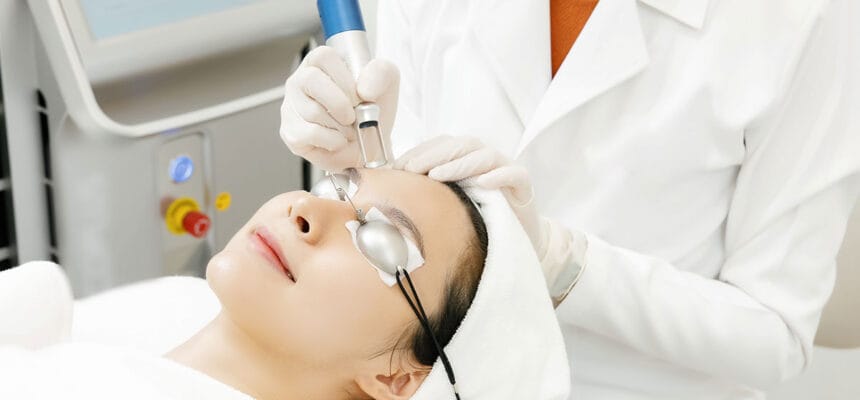

The quest for a flawless, radiant complexion has led to significant technological leaps in the world of aesthetic dermatology. Among these advancements, the rise of ultra-fast laser technology has redefined how we approach stubborn skin concerns such as hyperpigmentation, dullness, and uneven texture.
Modern skincare enthusiasts often seek Pico Laser Treatment in Abu Dhabi to achieve a more uniform skin tone without the lengthy recovery times associated with traditional resurfacing methods. By utilizing picosecond pulses, this technology addresses the root causes of skin cloudiness at a cellular level, allowing the skin’s natural brilliance to shine through.
Technological Advancement: Highlighting how modern aesthetics move toward faster, more efficient solutions for skin clarity.
The Pursuit of Radiance: Understanding that a uniform skin tone is a primary goal for many individuals seeking professional care.
Targeted Efficacy: Introducing the concept of picosecond technology as a superior method for addressing deep-rooted skin concerns.
Understanding the Science of Picosecond Technology
At the heart of this treatment is the use of picosecond laser pulses, which are one-trillionth of a second in duration. Unlike older laser systems that rely heavily on heat (thermal energy) to break down pigment, this advanced method uses a photoacoustic effect. This means it delivers energy so rapidly that it creates a localized pressure wave, shattering unwanted melanin into tiny, dust-like particles.
Because the energy is delivered in such short bursts, there is significantly less heat transfer to the surrounding healthy tissue. This precision is what makes the treatment highly effective for clearing the skin while maintaining the integrity of the dermal layers. The body then naturally processes and eliminates these microscopic fragments, leading to a clearer and more transparent appearance over time.
Pulse Speed: Explaining the “picosecond” as a trillionth of a second, which is the foundation of the technology’s precision.
Photoacoustic Effect: Differentiating between traditional heat-based lasers and the modern pressure-wave approach.
Pigment Fragmentation: How the laser shatters melanin into “dust” for easier natural elimination by the body.
Breaking Down Hyperpigmentation and Dark Spots
Hyperpigmentation, whether caused by sun exposure, hormonal changes, or the natural aging process, is a leading cause of skin dullness. These dark spots are essentially clusters of excess melanin trapped within the skin. Standard topical treatments often struggle to reach these deeper layers effectively.
Picosecond lasers are specifically designed to target these melanin clusters without affecting the overall skin tone. Whether the concern is freckles, sunspots, or more complex issues like melasma, the laser’s specific wavelengths can be adjusted to reach the appropriate depth. This targeted approach ensures that only the hyperpigmented areas are treated, resulting in a balanced and harmonious complexion.
Melanin Management: Identifying hyperpigmentation as a cluster of excess melanin that blocks skin clarity.
Depth Precision: The ability of different wavelengths to reach various layers of the skin to treat different types of spots.
Harmonized Tone: Ensuring that the treatment focuses only on irregularities to create an even overall look.
Enhancing Skin Texture Through Collagen Stimulation
Clarity is not just about the absence of dark spots; it is also about the smoothness and health of the skin’s surface. A major benefit of this treatment is its ability to trigger “Laser-Induced Optical Breakdown” (LIOB) in the deeper layers of the dermis. These are microscopic areas of activity that signal the body’s natural healing response.
When the body responds to these signals, it increases the production of collagen and elastin—the two essential proteins responsible for skin firmness and elasticity. As new collagen fibers are formed, the skin’s texture becomes more refined, pores appear smaller, and the overall surface looks more polished. This dual action of clearing pigment while improving texture is what provides the comprehensive “glow” many users desire.
LIOB Mechanism: Explaining how microscopic signals deep in the skin trigger a regenerative response.
Protein Production: The vital role of collagen and elastin in creating a smooth, light-reflecting surface.
Refinement: How improved texture contributes to the visual perception of skin clarity.
The Role of Cellular Renewal in Skin Brightening
Our skin naturally undergoes a renewal process where old cells are shed and replaced by new ones. However, as we age, this process slows down, leading to a buildup of dead skin cells that can make the face look tired and sallow. Picosecond energy helps accelerate this natural cycle by encouraging the skin to shed damaged cells more efficiently.
By promoting faster cellular turnover, the treatment helps move fragmented pigment to the surface more quickly and encourages the growth of fresh, healthy skin cells. This constant renewal ensures that the results are not just superficial but are rooted in the healthy functioning of the skin’s biological processes.
Accelerated Cycle: Overcoming the sluggishness of natural skin renewal that comes with age.
Shedding Dullness: How the removal of old, damaged cells reveals the brighter skin underneath.
Biological Support: Aligning the treatment with the body’s natural healing and renewal rhythms.
Suitability for Diverse Skin Types
One of the most significant shifts in laser technology has been the increased safety for various skin tones. Historically, individuals with darker skin tones had to be extremely cautious with lasers due to the risk of heat-related issues. Because picosecond technology relies on mechanical pressure rather than intense heat, it is generally considered a versatile option for a wide range of ethnicities.
The precision of the laser allows for effective treatment of pigmentation in darker skin without overstimulating the melanocytes (the cells that produce pigment). This makes it a preferred choice for achieving clarity across a global spectrum of skin types, ensuring that more people can access advanced rejuvenation techniques safely.
Thermal Safety: Why the lack of heat makes this technology safer for a broader range of skin tones.
Melanocyte Protection: Avoiding the overstimulation of pigment-producing cells during the clearing process.
Inclusive Technology: Highlighting the shift toward aesthetic solutions that cater to diverse backgrounds.
Maintaining Results and Long-Term Clarity
Achieving skin clarity is a journey, and maintaining those results requires a commitment to healthy skin habits. While the laser does the heavy lifting by clearing existing damage and boosting collagen, external factors can still influence the skin’s appearance. Consistent use of high-quality skincare and protection against environmental stressors are essential components of the post-treatment phase.
The improvements in skin clarity typically become more visible over a few weeks as the collagen continues to build and the body clears away the shattered pigment. Many users find that a series of sessions allows them to reach their peak clarity, with occasional maintenance helping to keep the skin looking refreshed and vibrant year-round.
Cumulative Benefits: Understanding that skin clarity often improves progressively over several weeks.
Environmental Defense: The importance of protecting the newly cleared skin from future sun and pollution damage.
Sustained Brilliance: Using maintenance strategies to keep the skin’s texture and tone at their best.
FAQs
1. How does Pico Laser differ from traditional skin brightening treatments?
Unlike chemical peels or traditional lasers that use heat to resurface the skin, Pico technology uses ultra-fast pressure waves. This allows it to break down pigment more effectively with minimal impact on the surrounding skin surface, leading to faster results and less downtime.
2. Can this treatment help with the appearance of enlarged pores?
Yes. By stimulating the production of new collagen and elastin, the treatment helps to firm the skin structure around the pores. This increased elasticity makes the pores appear tighter and less visible, contributing to a smoother overall skin texture.
3. How soon can one expect to see an improvement in skin tone?
While some initial brightening may be noticed shortly after the first session, the most significant changes usually appear after 2 to 4 weeks. This timeframe allows the body to naturally process the fragmented pigment and begin the collagen remodeling process.
4. Is the treatment effective for all types of skin discoloration?
Picosecond lasers are highly versatile and can address a wide variety of issues, including sunspots, age spots, freckles, and even the “mask of pregnancy” known as melasma. Its adjustable wavelengths allow it to target different colors and depths of pigment with high precision.