


Clean energy infrastructure solar farms, wind parks, battery storage systems, and green hydrogen projects requires substantial upfront capital and long development cycles. Traditionally, funding these projects depends on banks, institutional investors, government subsidies, or infrastructure funds. While these mechanisms have enabled significant growth, they often come with limitations such as restricted access, slow capital deployment, and high dependency on intermediaries.
- Understanding the Connection Between Clean Energy and Tokenization
- How Tokenization Structures Clean Energy Assets
- 1. Asset Digitization
- 2. Smart Contract-Based Revenue Distribution
- 3. Fractional Investment in Energy Infrastructure
- Key Ways Tokenization Supports Clean Energy Funding Models
- 1. Democratizing Access to Energy Investments
- 2. Reducing Dependence on Traditional Financing Institutions
- 3. Improving Liquidity for Long-Term Energy Projects
- 4. Enabling Real-Time Transparency in Energy Revenue
- 5. Unlocking New Green Financing Instruments
- 6. Accelerating Project Funding Timelines
- Role of Carbon Credits in Tokenized Energy Models
- Integration with Decentralized Finance (DeFi)
- Risk Distribution and Investor Participation
- Environmental and Social Impact Alignment
- Challenges in Tokenized Clean Energy Funding
- Regulatory Uncertainty
- Data Integrity in Energy Reporting
- Market Liquidity Constraints
- Infrastructure Integration
- Future Outlook of Tokenized Clean Energy Models
- Conclusion
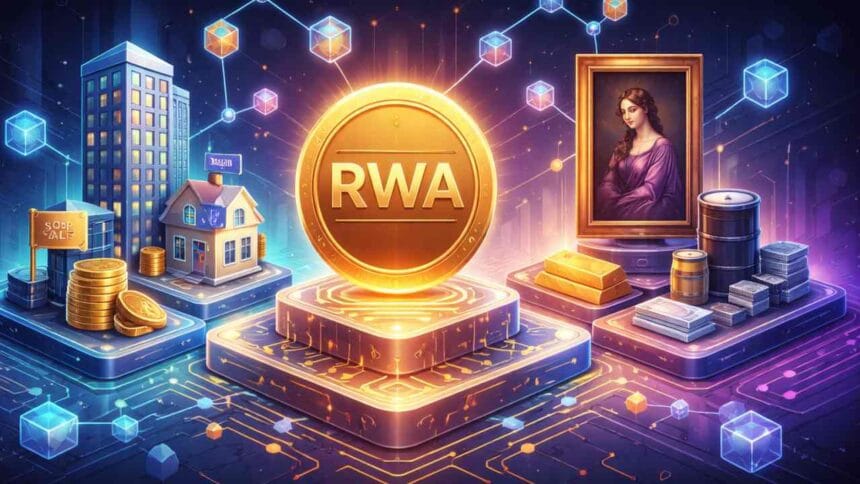
Real World Asset (RWA) tokenization is emerging as a structural innovation that can reshape how clean energy projects are financed, owned, and monetized. By converting physical energy assets and future cash flows into blockchain-based digital tokens, tokenization introduces new funding models that are more accessible, transparent, and efficient. This article explores how RWA tokenization supports clean energy funding models and why it is becoming a relevant mechanism in the global transition toward sustainable energy systems.
Understanding the Connection Between Clean Energy and Tokenization
Clean energy projects are capital-intensive by nature. A single solar or wind farm requires significant investment before it generates revenue. However, once operational, these assets typically produce predictable long-term cash flows through power purchase agreements (PPAs) or grid feed-in tariffs.
RWA tokenization works particularly well in this environment because it allows future cash flows, physical infrastructure, and revenue-generating rights to be digitally represented on a blockchain. These tokenized representations can then be sold to investors, enabling distributed funding across global participants. Instead of relying on a few large investors, clean energy projects can tap into a broad pool of capital markets participants.
How Tokenization Structures Clean Energy Assets
To understand its impact, it is important to see how clean energy assets are transformed into digital investment instruments.
1. Asset Digitization
A physical energy asset such as a solar farm is legally structured under a holding entity. This entity owns the infrastructure and revenue rights.
The ownership or revenue rights are then divided into digital tokens that represent fractional claims on:
- Electricity production revenue
- Carbon credit income
- Infrastructure ownership value
These tokens are recorded on blockchain networks, making them transferable and traceable.
2. Smart Contract-Based Revenue Distribution
Clean energy assets generate recurring income streams. Tokenization uses smart contracts to automate the distribution of these revenues.
For example:
- Electricity sales revenue is collected
- Smart contracts calculate token-holder shares
- Payments are distributed automatically
This removes the need for manual accounting and intermediaries.
3. Fractional Investment in Energy Infrastructure
Instead of requiring millions in capital to invest in a renewable energy project, tokenization allows investors to purchase small fractions of the asset.
This makes clean energy investment:
- More accessible to retail investors
- More liquid compared to traditional infrastructure funds
- More diversified across global participants
Key Ways Tokenization Supports Clean Energy Funding Models
1. Democratizing Access to Energy Investments
Traditionally, clean energy projects are funded by institutional investors, private equity firms, or government-backed funds. Retail investors rarely have direct access. Tokenization changes this structure by enabling fractional ownership. Individuals can invest small amounts in renewable projects, gaining exposure to stable, long-term energy yields. This democratization expands the investor base significantly, increasing the pool of available capital for clean energy development.
2. Reducing Dependence on Traditional Financing Institutions
Banks and infrastructure funds typically play a central role in financing renewable energy projects. However, their involvement often introduces delays, strict eligibility criteria, and high transaction costs. Tokenized funding models reduce reliance on these intermediaries by enabling:
- Direct peer-to-project investment flows
- Decentralized capital formation
- Automated compliance through smart contracts
This accelerates project funding cycles and reduces financing friction.
3. Improving Liquidity for Long-Term Energy Projects
One of the major challenges in clean energy financing is the illiquid nature of infrastructure investments. Capital is often locked in for 10–25 years. Tokenization introduces secondary markets where investors can trade their shares in energy projects. This creates liquidity in an otherwise illiquid asset class.
Liquidity benefits include:
- Easier exit options for investors
- Reduced capital lock-in risk
- Greater attractiveness for early-stage funding
4. Enabling Real-Time Transparency in Energy Revenue
Clean energy projects depend heavily on trust—especially regarding energy production, grid integration, and revenue distribution. Blockchain-based tokenization provides transparent and verifiable records of:
- Energy production data
- Revenue inflows from electricity sales
- Carbon credit generation
- Investor payouts
This transparency reduces information asymmetry and builds investor confidence.
5. Unlocking New Green Financing Instruments
Tokenization allows the creation of innovative financial instruments linked to clean energy assets, such as:
- Tokenized green bonds
- Renewable energy revenue shares
- Carbon credit-backed tokens
- Sustainability-linked investment tokens
These instruments can be tailored to different investor risk profiles and return expectations.
6. Accelerating Project Funding Timelines
Traditional clean energy financing can take months or even years due to due diligence, regulatory approvals, and capital coordination.
Tokenization streamlines this process by:
- Digitizing asset verification
- Automating investor onboarding
- Enabling instant capital pooling
As a result, funding cycles become significantly shorter, allowing faster project execution.
Role of Carbon Credits in Tokenized Energy Models
Carbon credits are an important component of clean energy economics. Many renewable projects generate tradable carbon offsets based on reduced emissions.
Tokenization enhances this system by:
- Digitizing carbon credits as blockchain assets
- Allowing fractional trading of carbon offsets
- Increasing liquidity in carbon markets
- Ensuring traceability of environmental impact
This creates additional revenue streams for clean energy projects, making them more financially viable.
Integration with Decentralized Finance (DeFi)
Tokenized clean energy assets can be integrated into decentralized finance ecosystems, enabling advanced financial use cases such as:
- Collateralized borrowing against energy tokens
- Yield farming using renewable energy revenue streams
- Liquidity pools backed by green infrastructure assets
This integration expands the financial utility of clean energy assets beyond traditional investment models.
Risk Distribution and Investor Participation
Clean energy projects typically carry construction, operational, and regulatory risks. Tokenization allows these risks to be distributed across a large number of investors. Instead of a single institution bearing the entire risk exposure, token holders collectively share:
- Construction risks
- Revenue variability
- Market price fluctuations
This distributed model makes funding more resilient and inclusive.
Environmental and Social Impact Alignment
One of the most important aspects of tokenized clean energy funding models is their alignment with environmental and social goals.
Tokenization enables:
- Transparent tracking of renewable energy output
- Verification of sustainability claims
- Direct participation of individuals in green projects
- Improved accountability for ESG reporting
This enhances the credibility of sustainable investment initiatives.
Challenges in Tokenized Clean Energy Funding
Despite its potential, several challenges must be addressed:
Regulatory Uncertainty
Tokenized securities must comply with financial regulations, which vary across jurisdictions. This complexity can slow adoption.
Data Integrity in Energy Reporting
Accurate reporting of energy generation is essential. Reliable oracles and IoT integrations are required to ensure trustworthy data input into blockchain systems.
Market Liquidity Constraints
While tokenization improves liquidity, secondary markets for energy tokens are still developing and may lack depth in early stages.
Infrastructure Integration
Integrating blockchain systems with physical energy infrastructure requires technical coordination between energy providers, grid operators, and digital platforms.
Future Outlook of Tokenized Clean Energy Models
The future of clean energy funding is likely to be increasingly hybrid, combining traditional finance with blockchain-based tokenization systems.
Key developments may include:
- Global marketplaces for renewable energy tokens
- Tokenized green infrastructure funds
- Automated carbon credit trading systems
- Direct consumer participation in energy production financing
As energy systems become more decentralized, tokenization will play a key role in aligning financial incentives with sustainability goals.
Conclusion
Real World Asset tokenization is reshaping clean energy funding models by introducing new mechanisms for capital formation, ownership distribution, and revenue sharing. It enables fractional investment in renewable infrastructure, improves liquidity in long-term energy assets, and enhances transparency across the entire project lifecycle. By reducing reliance on traditional financial intermediaries and opening access to global investors, tokenization accelerates the deployment of clean energy infrastructure. At the same time, it creates new financial instruments and ecosystems that align economic incentives with environmental outcomes. As technology and regulation continue to evolve, tokenized clean energy models are likely to become an important pillar in financing the global transition toward sustainable energy systems.