

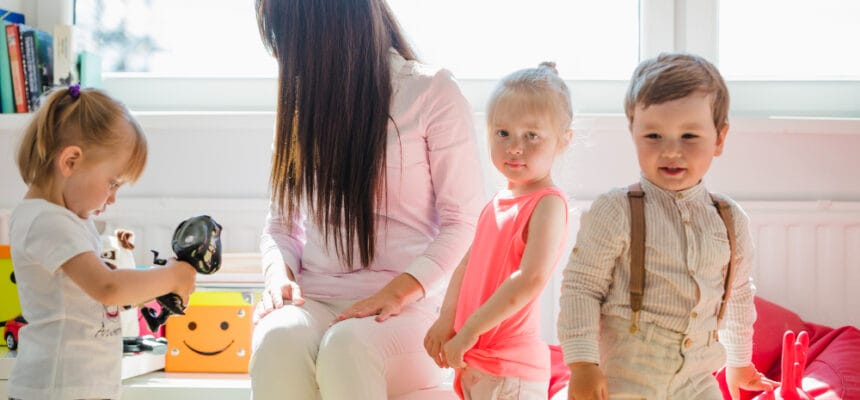

Ensuring the safety of toddlers is one of the most important priorities in any daycare setting. At this early stage of development, children are naturally curious, energetic, and eager to explore their surroundings—often without fully understanding risks. This is where structured routines play a powerful role. A well-planned daily routine not only supports learning and development but also significantly reduces safety concerns in toddler daycare environments.
Why Safety and Structure Go Hand in Hand
Toddlers thrive in environments where they know what to expect. Predictability creates a sense of security, helping children feel calm and confident. When routines are consistent, children begin to understand boundaries, follow instructions, and move safely from one activity to another.
Structured routines:
- Minimize confusion and chaos
- Help children anticipate transitions
- Encourage orderly behavior
- Reduce the likelihood of accidents
When children are engaged in a clear sequence of activities, there is less room for unsafe or unpredictable behavior.
Controlled Transitions Reduce Accidents
One of the most common times for accidents in daycare settings is during transitions—when children move from one activity to another. Without proper structure, transitions can become rushed and disorganized.
A structured routine ensures that:
- Transitions are guided and supervised
- Children move in small, manageable groups
- Clear instructions are given before moving
For example, moving from playtime to snack time becomes a calm and orderly process rather than a chaotic rush. This reduces the risk of falls, collisions, and other minor injuries.
Supervised Play Within Defined Timeframes
Free play is essential for development, but without structure, it can sometimes lead to unsafe situations. Structured routines allocate specific times for play, ensuring that children are always supervised and engaged.
This approach:
- Prevents overcrowding in play areas
- Ensures age-appropriate activities
- Allows caregivers to monitor behavior closely
When playtime is organized, children are less likely to engage in risky actions, and caregivers can respond quickly to any potential hazards.
Teaching Safety Through Repetition
Repetition is a key part of structured routines, and it plays a vital role in teaching safety habits. When children repeatedly follow the same steps each day, they begin to internalize safe behaviors.
For instance:
- Washing hands before meals
- Sitting properly during snack time
- Walking instead of running indoors
- Cleaning up toys after use
Over time, these actions become automatic. Children start to follow safety rules without constant reminders, reducing the chances of accidents.
Clear Boundaries and Expectations
Structured routines help establish clear boundaries, which are essential for maintaining a safe environment. When children understand what is expected of them, they are more likely to behave appropriately.
This includes:
- Knowing where they can play
- Understanding which items are safe to use
- Following simple instructions from caregivers
Clear expectations reduce impulsive behavior, which is a common cause of safety concerns in toddlers.
Better Supervision and Caregiver Coordination
A structured routine not only benefits children but also improves how caregivers manage the environment. When the day is organized, caregivers can anticipate what comes next and prepare accordingly.
This leads to:
- Better staff coordination
- Consistent supervision across all activities
- Quick response to any issues
With everyone following the same schedule, there is less confusion, ensuring that children are always under attentive care.
Reducing Emotional Stress and Risky Behavior
When toddlers feel overwhelmed or uncertain, they may act out in ways that can lead to unsafe situations. Structured routines provide emotional stability, which directly impacts behavior.
Children who feel secure are:
- Less likely to run, push, or act impulsively
- More willing to follow instructions
- Better able to manage their emotions
A calm and predictable environment reduces stress, leading to safer interactions and fewer incidents.
Organized Spaces and Routine-Based Use
Structured routines often align with how spaces are used throughout the day. For example, specific times are assigned for play, meals, rest, and learning activities.
This ensures:
- Play areas are not overcrowded
- Materials are used appropriately
- Spaces are cleaned and reset regularly
An organized environment reduces hazards such as clutter, misplaced toys, or unsafe movement within the space.
Encouraging Independence While Maintaining Safety
Structured routines allow toddlers to develop independence within safe boundaries. Children learn to perform tasks on their own while still being guided by a predictable system.
For example:
- Putting away toys after use
- Sitting in designated areas during meals
- Following simple step-by-step instructions
This balance of independence and supervision helps children explore confidently without compromising safety.
Building Long-Term Safety Awareness
The habits children develop in daycare often carry forward into later stages of life. Structured routines help instill a sense of responsibility and awareness that goes beyond the daycare environment.
Children begin to understand:
- The importance of following rules
- How their actions affect their safety
- Why routines help keep them protected
These early lessons form the foundation for safe behavior in school and everyday life.
Final Thoughts
Structured routines are more than just a way to organize the day—they are a powerful tool for ensuring child safety in toddler daycare. By creating a predictable, supervised, and well-managed environment, routines help reduce risks while supporting healthy development.