

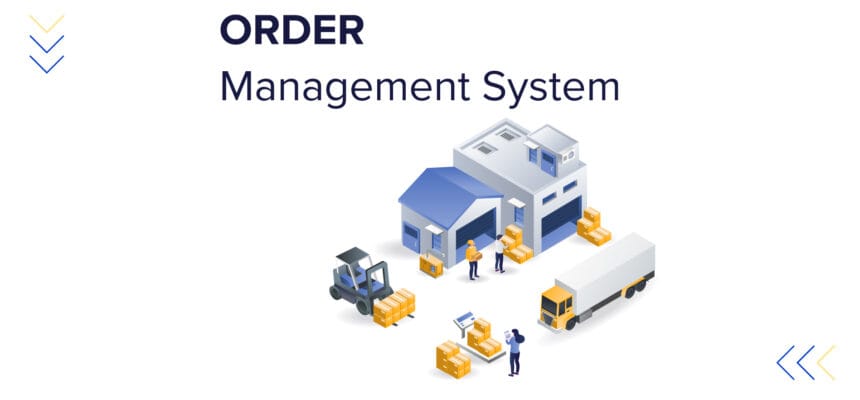

Accurate customer order processing is essential for any business that wants to deliver reliable service and maintain strong customer trust. Even small mistakes in orders such as wrong product selection, incorrect quantities, or delayed processing can lead to returns, complaints, and revenue loss.
As businesses scale, managing large volumes of orders becomes more complex. Manual systems often introduce errors, while disconnected departments create communication gaps. To solve these challenges, companies are now focusing on improving workflow efficiency and reducing human dependency in critical processes.
In this context, digital transformation plays a major role in ensuring order accuracy and operational stability.
Common Challenges in Customer Order Processing
Many businesses face issues in order processing due to outdated systems and manual operations. One of the biggest problems is human error during data entry, which can lead to incorrect order details or duplicate entries.
Another challenge is poor coordination between departments such as sales, warehouse, and shipping teams. When communication is not aligned, orders may be delayed or processed incorrectly.
Lack of real-time visibility also creates issues like stock mismatches and fulfillment delays. These challenges highlight the need for structured and efficient order handling systems.
Streamlining Order Intake Process with Order Management System
A well-structured order intake process is the foundation of accurate order processing. Businesses must ensure that customer orders are collected in a standardized and organized manner.
An order management system helps businesses centralize all incoming orders into one platform, reducing confusion caused by multiple order channels like email or phone.
This system ensures that all order details are recorded accurately and consistently from the start, minimizing the risk of missing or incorrect information.
Automating Order Management Workflows
Automation is one of the most effective ways to improve accuracy in order processing. It removes manual steps and ensures that orders move smoothly through each stage of fulfillment.
Automated workflows help route orders to the correct departments instantly and reduce delays caused by manual approvals. This improves speed and consistency across operations.
An order management system also automates tasks like order confirmation, inventory checks, and status updates. It ensures every order follows a structured process without human errors.
By using automated workflows, businesses can significantly enhance operational efficiency and reduce processing mistakes.
Improving Inventory Synchronization
Accurate order processing depends heavily on real-time inventory data. If stock information is outdated, businesses risk accepting orders for unavailable products.
To prevent this, inventory systems should be directly connected with order processing platforms. This ensures that stock levels are updated instantly after every sale.
Real-time synchronization helps avoid overselling, stock shortages, and fulfillment delays. It also improves customer satisfaction by ensuring product availability accuracy.
Enhancing Data Validation and Verification
Data validation plays a crucial role in preventing order errors. Businesses must verify customer details, product selection, and payment information before confirming any order.
Automated validation systems help detect inconsistencies early in the process. They can flag incomplete or incorrect orders before they move forward.
An order management system ensures that validation checks are performed automatically, reducing the chances of human oversight.
This improves overall data accuracy and ensures that only valid orders are processed.
Strengthening Warehouse and Fulfillment Accuracy
Warehouse operations directly impact order accuracy. Even if an order is processed correctly, mistakes during picking or packing can lead to wrong deliveries.
Using barcode scanning and digital tracking systems helps warehouse staff pick the correct items efficiently. These tools reduce confusion and improve accuracy.
An order management system provides real-time instructions to warehouse teams, ensuring they fulfill orders based on updated data.
This integration helps businesses maintain consistency and reduce return rates caused by shipping errors.
Using Centralized Systems for Better Control
A centralized system allows businesses to manage all order-related activities from one dashboard. This improves visibility and reduces confusion caused by multiple tools or platforms.
Teams across departments can access real-time data, ensuring better coordination and decision-making.
A centralized approach reduces communication gaps and ensures that everyone works with accurate and updated information.
Training Staff for Better Accuracy
Even with advanced systems in place, human involvement still plays an important role in order processing. Proper training ensures employees understand procedures and use tools correctly.
Regular training sessions help staff stay updated with system changes and operational guidelines.
Well-trained employees are less likely to make mistakes and more likely to follow standardized processes, improving overall order accuracy.
Monitoring Performance and Continuous Improvement
Continuous monitoring helps businesses identify inefficiencies in their order processing system. Tracking key metrics such as error rates, fulfillment time, and order accuracy is essential.
Regular audits help detect recurring issues and improve workflows over time. Feedback from employees and customers also provides valuable insights for improvement.
By continuously optimizing processes, businesses can maintain high accuracy and operational efficiency.
Conclusion
Improving accuracy in customer order processing requires a combination of technology, structured workflows, and trained employees. Businesses that focus on process optimization can significantly reduce errors and improve customer satisfaction.
A well-designed order management system plays a vital role in centralizing operations, improving data accuracy, and automating workflows. It ensures that every order is processed correctly from start to finish.
By adopting modern systems and best practices, companies can build a reliable, efficient, and scalable order processing system that supports long-term growth.