
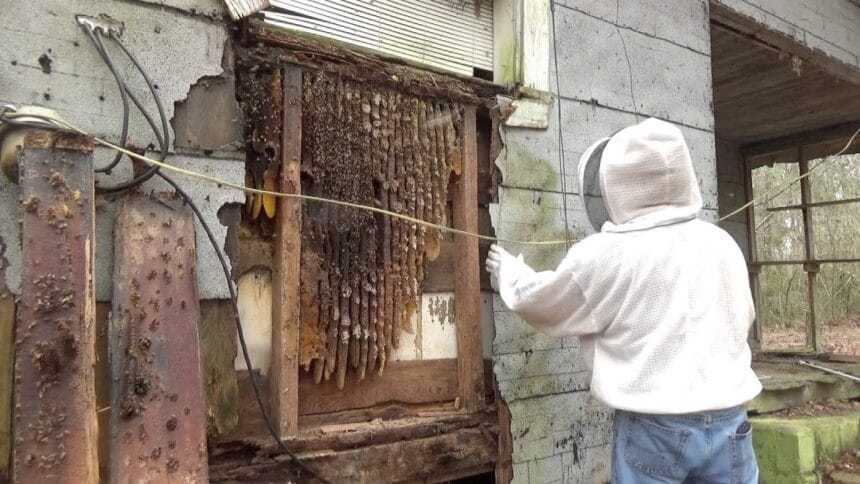

Urban living spaces often provide unexpected microhabitats that attract pollinators seeking shelter, water, and occasional floral resources. In many cases, bees are naturally drawn to apartment balconies because these areas offer warmth, sunlight, and protection from wind exposure. These conditions can resemble small garden environments, especially when residents maintain plants or decorative greenery.
Additionally, balconies frequently contain potted flowers, herbs, or small shrubs that produce nectar and pollen, making them appealing foraging spots. Even minimal vegetation can attract bees if it provides sufficient nourishment during active seasons. This interaction reflects the adaptability of pollinators in urban ecosystems.
Furthermore, water sources such as plant trays, condensation, or small containers can unintentionally support bee activity. These elements contribute to a balanced microenvironment that meets basic survival needs. As a result, balconies may become temporary resting or foraging locations.
Understanding these factors helps residents recognize that the presence of bees is often a natural response to environmental conditions rather than a deliberate intrusion. This awareness encourages thoughtful and respectful management strategies.
Recognizing Bee Behavior and Identifying When Action Is Necessary
Observing bee behavior is essential for determining whether intervention is required or if coexistence remains a safe and practical option. In many situations, bees visiting balconies are simply foraging and will leave without establishing a permanent presence. These visits are typically brief and non-threatening.
However, if consistent activity is observed in a specific area, it may indicate the early stages of nesting or colony formation. Identifying such patterns allows residents to respond proactively before the situation escalates. Early awareness is key to effective management.
Moreover, bees generally exhibit non-aggressive behavior unless they perceive a threat to their colony or personal safety. Maintaining calm and avoiding sudden movements can significantly reduce the likelihood of defensive reactions. This approach supports safe interactions.
In cases where a visible structure or cluster begins to form, it becomes important to assess the situation carefully. Professional guidance may be necessary to ensure that both residents and pollinators remain protected. Responsible action ensures positive outcomes.
Additionally, understanding seasonal patterns helps determine whether bee activity is temporary or likely to persist. This knowledge supports informed decision-making and reduces unnecessary interventions.
Practical Strategies to Manage Bees Without Causing Harm
Managing bees in apartment balconies requires a balanced approach that prioritizes safety while respecting their ecological importance. One effective strategy involves relocating or repositioning flowering plants away from entry points and seating areas. This adjustment encourages bees to forage elsewhere.
Reducing access to standing water can also help minimize attraction, as bees rely on water sources for hydration and hive maintenance. Ensuring that containers remain dry limits their interest in the space. This simple measure can make a significant difference.
Additionally, using natural deterrents such as certain plant varieties or scents can gently discourage bees from lingering in specific areas. These methods align with environmentally friendly practices and avoid harmful chemicals. Sustainability remains a priority.
In situations where activity persists or becomes more concentrated, seeking professional assistance ensures safe and humane solutions. For example, consulting a bee removal service in Glendale, LA can provide expert guidance on relocation and prevention strategies while maintaining ecological balance. This support enhances safety and effectiveness.
Furthermore, maintaining regular balcony cleaning routines helps eliminate residues or attractants that may encourage repeated visits. Consistency in upkeep supports long-term management success.
Designing Balcony Spaces That Support Coexistence and Comfort
Creating a balcony environment that supports both human comfort and ecological balance requires thoughtful design and intentional planning. By organizing plants and decorative elements strategically, residents can guide pollinator activity away from frequently used areas. This arrangement enhances usability.
Incorporating designated plant zones at a distance from seating spaces allows bees to continue their natural behavior without causing disruption. This separation promotes coexistence while maintaining a pleasant environment. Balance is achieved through careful placement.
Additionally, selecting plant species that are less attractive to bees can reduce the likelihood of frequent visits without compromising aesthetic appeal. This choice allows residents to enjoy greenery while minimizing interaction. Practicality supports comfort.
Providing alternative pollinator-friendly spaces, such as community gardens or shared green areas, can further redirect activity away from private balconies. This approach supports urban biodiversity while maintaining personal boundaries. Collaboration enhances outcomes.
Moreover, understanding the relationship between design and behavior helps residents create spaces that align with both lifestyle preferences and environmental considerations. This awareness fosters sustainable living practices.
Long-Term Approaches to Maintaining Bee-Free Balcony Spaces
Sustaining a bee-free balcony environment requires ongoing attention, consistency, and a commitment to responsible practices. Regular inspections help identify early signs of activity, allowing for timely intervention before issues develop further. Prevention remains the most effective strategy.
Sealing small gaps, cracks, or structural openings reduces the likelihood of bees establishing nests within balcony structures. This proactive step limits access and enhances overall safety. Maintenance supports durability.
Additionally, maintaining awareness of seasonal changes helps residents anticipate periods of increased bee activity and adjust their strategies accordingly. This preparation ensures that management efforts remain effective throughout the year. Adaptability is essential.
Educating household members about respectful interaction with bees further enhances safety and confidence in managing occasional encounters. Knowledge reduces fear and promotes calm responses. Awareness empowers individuals.
Ultimately, managing bees in apartment balconies involves a combination of understanding, prevention, and thoughtful design. By implementing these strategies consistently, residents can create comfortable living spaces while supporting the broader ecological role of pollinators in urban environments.