


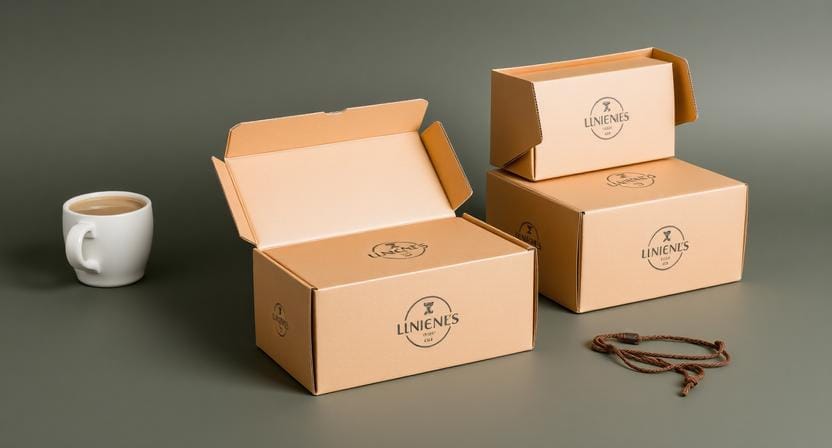

Ordering custom cardboard boxes for the first time can feel overwhelming. From material selection to printing specifications to lead times, there are numerous factors to consider. Understanding the ordering process, selecting the right packaging supplier, and managing a custom order effectively ensures that your packaging meets your needs without unexpected delays or costs.
Step 1: Define Your Product Requirements
Before contacting any supplier, thoroughly understand your packaging needs. Begin by measuring your product precisely—length, width, and depth. Consider whether you need internal packaging such as inserts, dividers, or foam. Note the product weight, as this will influence the required box strength. Identify any special considerations such as fragility, temperature sensitivity, or regulatory labeling requirements.
Having these specifications documented before engaging with a packaging supplier ensures that you can communicate your needs clearly and receive accurate quotes.
Step 2: Determine Your Box Style and Structure
Decide whether you need a standard box style or a die-cut custom shape. Consider features such as self-locking bottoms, tuck flaps, mailer-style closures, or handles. Determine whether you require single-wall or double-wall construction based on product weight and stacking requirements.
If you are unsure about structural requirements, a reputable packaging supplier can provide guidance based on your product specifications. Many suppliers offer sample boxes or prototypes to validate structural designs before full production.
Step 3: Select Materials and Printing
Choose the board grade and flute type appropriate for your product. Consider whether recycled content is important for your sustainability goals. For printed boxes, determine the number of colors, printing area (interior, exterior, or both), and any finishing options such as matte or gloss coating, embossing, or spot UV.
Request color matching proofs or digital mockups to ensure that printed designs appear as expected on the chosen material. Different substrates can affect color appearance, so reviewing proofs is essential for brand consistency.
Step 4: Choose a Reliable Packaging Supplier
Selecting the right packaging supplier is critical to a successful custom order. Look for suppliers with experience in your industry, positive customer reviews, and clear communication. Request samples of their work to assess print quality and structural integrity.
Consider factors such as minimum order quantities (MOQs), lead times, and shipping costs. Some suppliers specialize in short-run custom boxes suitable for small businesses, while others focus on high-volume production. Choose a partner whose capabilities align with your order volume and timeline.
Step 5: Request Quotes and Compare
Provide your specifications to multiple suppliers and request detailed quotes. Ensure that quotes include all costs: die tooling (if applicable), setup fees, printing charges, materials, and shipping. Compare not only per-unit prices but also total delivered cost and lead times.
Be wary of quotes that seem unusually low, as they may indicate lower quality materials or hidden fees. Transparency in pricing is a hallmark of a trustworthy packaging supplier.
Step 6: Approve a Physical Sample
Before authorizing full production, request a physical sample of your custom box. This sample allows you to verify dimensions, material strength, print quality, and structural integrity. Test the sample with your actual product, including the packing process and any transit simulations.
Approving a physical sample eliminates surprises and ensures that the final custom order meets your specifications. Reputable suppliers will produce samples before committing to full production runs.
Step 7: Place Your Order and Plan for Delivery
Once samples are approved, place your custom order with confirmed quantities and delivery timeline. Coordinate delivery with your warehouse or fulfillment center to ensure adequate storage space. Order sufficient quantity to cover your projected needs while accounting for seasonal peaks.
Maintain a safety stock to avoid stockouts, and establish reorder points based on your consumption rate and supplier lead times. Building a strong relationship with your packaging supplier ensures smooth reorders as your business grows.