

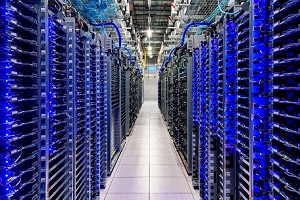

Hyperscale data centers are massive facilities designed to efficiently support large-scale cloud services, big data analytics, and online platforms. These centers typically span hundreds of thousands of square feet and house tens of thousands of servers. Their primary goal is to provide high performance, scalability, and reliability for internet giants like Amazon, Google, and Microsoft. Hyperscale centers are engineered to handle enormous data processing demands with minimal latency.
They incorporate advanced cooling techniques, energy-efficient power systems, and automation technologies to optimize operations. These data centers are crucial in supporting the exponential growth of digital data generated daily. As businesses increasingly rely on cloud computing, hyperscale data centers will continue to evolve, offering enhanced capacity and sustainability. They are foundational to the future of digital infrastructure and global connectivity.
Design and Architecture of Hyperscale Data Centers
Hyperscale data centers utilize modular and scalable designs to accommodate future growth efficiently. Their architecture focuses on high-density server racks, advanced cooling solutions like liquid cooling, and robust power management systems. The layout is optimized for maximum airflow and minimal energy consumption, often employing renewable energy sources to improve sustainability. These centers use automation and AI-driven management tools to monitor and control operations in real-time, ensuring optimal performance.
Redundancy is a key feature, with multiple backups for power and network connectivity to guarantee uptime. Physical security measures are also stringent, including biometric access and surveillance. The design prioritizes flexibility, enabling rapid deployment of new hardware and services. This combination of innovation and scalability makes hyperscale data centers the backbone of modern digital ecosystems.
Energy Efficiency and Sustainability in Hyperscale Data Centers
Energy consumption is a significant concern for hyperscale data centers due to their vast size and operational demands. To address this, they implement innovative energy-efficient technologies such as free cooling, which leverages outside air, and liquid cooling for high-density servers. Many centers are committed to using renewable energy sources like solar, wind, and hydroelectric power to reduce carbon footprints. Green building practices, including better insulation and energy management systems, enhance overall efficiency.
AI and machine learning optimize energy use by predicting cooling and power needs, minimizing waste. Additionally, some hyperscale providers participate in carbon offset programs to boost sustainability efforts. These initiatives not only reduce environmental impact but also lower operational costs, making hyperscale data centers more sustainable and economically viable in the long run. Sustainability is becoming a core component of hyperscale infrastructure development.
Security and Data Privacy in Large-Scale Data Centers
Security is paramount in hyperscale data centers, given the sensitive data they handle and the scale of operations. Physical security measures include biometric access controls, surveillance cameras, and security personnel. Cybersecurity protocols involve firewalls, encryption, intrusion detection systems, and regular audits to prevent unauthorized access and data breaches. Data privacy compliance with regulations such as GDPR and CCPA is strictly enforced through data management policies and secure storage practices. Redundancy and disaster recovery plans are in place to ensure data integrity and availability even during outages or cyberattacks.
Additionally, access to data is tightly controlled, with multi-factor authentication and role-based permissions. Continuous monitoring and updates keep security systems ahead of emerging threats. These comprehensive security measures safeguard critical data and maintain trust in hyperscale data center operations.