

What Are Skin Booster Injections?
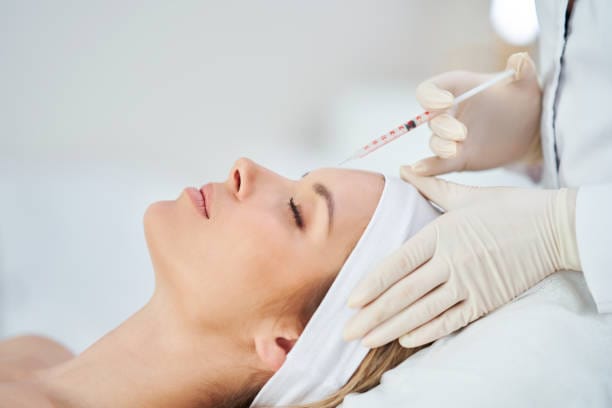
Skin booster injections are minimally invasive treatments that deliver hydrating and revitalizing substances into the deeper layers of the skin. Unlike fillers that are used for volume or contour, skin boosters focus on enhancing the skin’s overall quality. They aim to improve hydration, elasticity, smoothness, and radiance.
The procedure is subtle, and the improvements are gradual, allowing the skin to regain a healthier appearance naturally. This approach means that while some sensation may be felt during the injections, the treatment is generally considered tolerable for most individuals.
Sensitive Areas and Pain Perception
Certain areas of the body and face are naturally more sensitive due to thinner skin, increased nerve endings, or heightened vascularity. Common sensitive areas include:
- Under the eyes: The skin in this area is extremely delicate and thin, which can make injections feel more noticeable.
- Lips: This area has a high concentration of nerve endings, making it more sensitive to even minor injections.
- Neck and décolletage: The skin here is often thinner and more prone to sensation, which can make the procedure slightly more noticeable.
Other areas like the cheeks, forehead, and jawline generally tolerate the injections more comfortably due to thicker skin and fewer nerve endings.
Pain Management Techniques
While some mild discomfort is expected, there are several techniques used to minimize pain during skin booster treatments, particularly in sensitive areas.
Topical Numbing
Applying a numbing cream or gel before the procedure helps reduce the sensation on the skin’s surface. This makes the injections more comfortable, particularly in areas with thin or delicate skin.
Precision Injection Techniques
Using fine needles or microcannulas allows for precise placement of the injected substances, minimizing trauma to the surrounding skin and nerves. Gentle, slow injections also reduce discomfort, making the procedure more tolerable.
Cooling Measures
Cold compresses or cooling devices can be applied to the skin during treatment to soothe the area and decrease sensitivity. These measures also help reduce redness and provide a calming effect during the procedure.
Relaxation and Preparation
Remaining calm and relaxed can influence pain perception. Breathing techniques, mental preparation, and a comfortable treatment environment help individuals experience less discomfort during injections.
What to Expect During Treatment
During the procedure, a mild pricking, tingling, or pressure sensation may be felt at the injection site. In sensitive areas, this sensation can be slightly more noticeable but is typically brief.
After the treatment, mild redness, swelling, or tenderness may occur, particularly in delicate areas such as under the eyes or around the lips. These effects are temporary and usually resolve within a few hours to a couple of days. The overall discomfort is minimal compared to more invasive cosmetic procedures.
Factors That Influence Pain
Several factors can affect how pain is perceived during skin booster injections:
- Individual pain tolerance: Each person experiences and perceives pain differently. Some may feel only a mild prickle, while others notice more sensitivity.
- Skin thickness and condition: Thinner skin tends to be more sensitive, while thicker areas generally experience less sensation.
- Injection technique: The use of fine needles, slow injection speed, and precise placement can significantly reduce discomfort.
- Anxiety levels: Mental state can influence pain perception; a relaxed individual typically experiences less discomfort.
Understanding these factors allows individuals to anticipate the level of sensation they may experience and plan accordingly.
Benefits vs. Temporary Discomfort
Although some mild discomfort is expected, the benefits of skin booster injections often outweigh the temporary sensations. Skin boosters improve hydration, elasticity, and overall skin quality, creating a refreshed and radiant appearance.
For sensitive areas, proper pain management techniques ensure that the procedure is tolerable, allowing these regions to be treated effectively without compromising comfort. The temporary pricking or tingling is a small consideration compared to the long-lasting improvements in skin health and appearance.
Long-Term Comfort Considerations
Over time, individuals often find that skin booster injections become easier to tolerate. As the skin improves in hydration and elasticity, the procedure may feel less noticeable in future sessions. Regular maintenance sessions combined with supportive skincare can further enhance comfort and overall results.
Conclusion
Skin booster injections may cause mild discomfort in sensitive areas such as under the eyes, lips, and neck, but this sensation is typically brief and manageable. Techniques like numbing agents, precise injection methods, cooling measures, and mental preparation help ensure the procedure is as comfortable as possible.
Overall, the temporary sensations are outweighed by the lasting benefits of improved hydration, elasticity, and skin quality. Understanding what to expect and how pain is managed allows individuals to approach treatment with confidence and achieve natural, radiant results.
FAQs
Are skin booster injections painful for everyone?
Pain varies by individual and area. Sensitive regions may feel more sensation, while thicker skin areas are generally more comfortable.
How is discomfort managed during injections?
Topical numbing agents, fine needles, gentle injection techniques, and cooling measures are commonly used to reduce discomfort.
How long does any mild pain last?
Mild pricking, tenderness, or redness typically resolves within a few hours to a couple of days.
Can injections be done without numbing?
Yes, but using numbing agents improves comfort, especially in delicate or sensitive areas.
Does skin thickness affect pain during treatment?
Yes, thinner skin with more nerve endings is more sensitive, while thicker skin experiences less sensation.
Can anxiety increase perceived pain?
Yes, being relaxed and mentally prepared can significantly reduce the perception of discomfort.