
The quest for youthful, radiant skin has led to a significant shift from invasive surgical procedures to minimally invasive technologies. Among these advancements, EndoLift has emerged as a frontrunner for those seeking skin tightening and fat remodeling without the extensive downtime associated with traditional surgery. This internal laser treatment addresses skin laxity and provides a contoured appearance, making it a popular choice for facial rejuvenation. If you are considering EndoLift in Abu Dhabi, understanding how the technology interacts with your skin is the first step toward achieving your aesthetic goals.
- Understanding the Technology Behind EndoLift
- The Biological Response: Neocollagenesis and Tissue Tightening
- Assessing the Safety Profile of EndoLift
- Target Areas for Facial Rejuvenation
- What to Expect During the Procedure
- Recovery and Post-Treatment Care
- Comparing EndoLift to Other Rejuvenation Methods
- Summary of Key Points
- Frequently Asked Questions
Understanding the Technology Behind EndoLift
To appreciate the safety and efficacy of the procedure, one must first understand the mechanism of action. EndoLift utilizes advanced fiber-optic technology, specifically a microscopic laser fiber that is as thin as a hair. This fiber is inserted into the hypodermis—the layer of tissue just beneath the skin—where it delivers targeted laser energy.
The Role of the 1470nm Wavelength
The laser operates at a specific wavelength of 1470nm, which has a high affinity for water and fat. This allows the energy to selectively target adipose tissue and the water within the connective tissue. By focusing on these specific elements, the laser can melt minor fat deposits while simultaneously triggering a healing response in the dermis.
Endoluminal Laser Energy
Unlike external lasers that pass through the surface of the skin, this internal method (endoluminal) delivers energy directly to the source of laxity. This direct delivery minimizes surface trauma while maximizing the thermal effect on the structural scaffolding of the face.
The Biological Response: Neocollagenesis and Tissue Tightening
The primary goal of facial rejuvenation is to restore the “V-shape” of the face and reduce sagging. This is achieved through two distinct biological phases initiated by the laser energy.
Immediate Tissue Retraction
As the laser fiber moves through the tissue, the heat causes the connective fibers to contract immediately. This results in a visible tightening effect that can often be observed shortly after the procedure. The heat also works to dissolve small pockets of unwanted fat, particularly in areas like the jowls or under the chin.
Long-term Collagen Production
The true magic happens in the months following the treatment. The controlled thermal “injury” stimulates the body’s natural repair mechanism, leading to neocollagenesis—the production of new collagen. Over a period of three to six months, the skin becomes thicker, firmer, and more resilient as the new collagen fibers mature.
Assessing the Safety Profile of EndoLift
When discussing “safety” in the context of facial rejuvenation, it is important to look at the minimally invasive nature of the procedure. Because it does not require general anesthesia or large incisions, many of the traditional risks associated with “facelifts” are bypassed.
Minimally Invasive Approach
The procedure is performed through tiny entry points that typically do not require sutures. This significantly reduces the potential for scarring and shortens the recovery period. Most patients find they can return to their daily activities within a very short timeframe.
Precision and Control
The thinness of the laser fibers allows for extreme precision. Practitioners can navigate delicate areas of the face, such as the lower eyelids or the jawline, with high levels of control. This precision ensures that only the intended areas are treated, preserving the surrounding healthy tissue.
Target Areas for Facial Rejuvenation
One of the reasons this technology is highly regarded is its versatility. It is not limited to one specific region but can be adapted to treat various “trouble spots” that contribute to an aged appearance.
The Lower Face and Jawline
Sagging jowls and a loss of jawline definition are common concerns. By targeting the subcutaneous fat and tightening the skin along the mandible, the procedure helps restore a sharp, youthful contour to the lower face.
The Submental Area
The area under the chin is often resistant to diet and exercise. The laser energy effectively remodels this area, reducing the appearance of a “double chin” and tightening the skin to create a more streamlined profile.
The Mid-Face and Nasolabial Folds
By tightening the skin in the mid-face, the procedure can subtly lift the cheeks and soften the depth of the nasolabial folds (the lines running from the nose to the mouth), leading to a refreshed look without the “overfilled” appearance sometimes caused by injectables.
What to Expect During the Procedure
Understanding the step-by-step process helps demystify the treatment and sets realistic expectations for the patient journey.
Preparation and Local Numbing
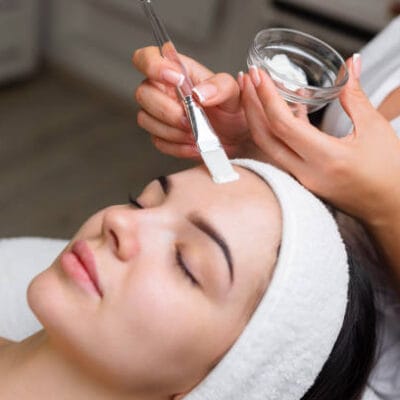
The procedure begins with the application of a local anesthetic to ensure the patient remains comfortable throughout the process. Because the patient is awake, they can provide feedback and move their facial muscles if requested by the practitioner.
The Treatment Process
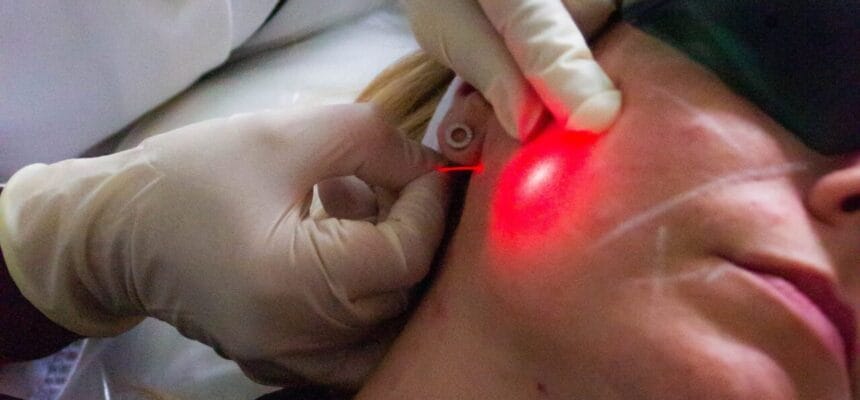
The thin laser fiber is gently inserted into the subcutaneous layer. The practitioner moves the fiber in a fan-like motion across the treatment area, delivering the laser energy. The duration of the session depends on the number of areas being treated but generally lasts between 45 to 90 minutes.
Recovery and Post-Treatment Care
The recovery phase is generally straightforward, but following proper aftercare is essential for optimizing results and ensuring the skin heals correctly.
Immediate Post-Procedure Sensations
It is normal to experience mild swelling or redness in the treated areas. These are natural responses to the thermal energy and typically subside within a few days. Some patients may also feel a slight “tightness” as the skin begins its remodeling process.
Sustaining the Results
While the results are long-lasting, they are not permanent, as the natural aging process continues. Maintaining a healthy lifestyle, protecting the skin from UV damage, and following a robust skincare routine will help preserve the rejuvenated appearance for as long as possible.
Comparing EndoLift to Other Rejuvenation Methods
In a world full of aesthetic options, it is helpful to see where this technology sits on the spectrum of care.
EndoLift vs. Topical Treatments
While creams and serums are excellent for surface texture and hydration, they cannot reach the deep layers of the dermis or hypodermis to cause significant lifting. This laser treatment fills the gap between topical care and surgery.
EndoLift vs. Surgical Facelifts
A surgical facelift remains the gold standard for severe skin sagging. However, for those with mild to moderate laxity who wish to avoid the operating room, this internal laser treatment offers a compelling middle ground with no general anesthesia and minimal downtime.
Summary of Key Points
Innovative Fiber-Optics: Uses hair-thin fibers to deliver energy directly under the skin for maximum impact.
Dual Action: Simultaneously melts localized fat and tightens the skin’s structural fibers.
Collagen Stimulation: Triggers a long-term healing response that improves skin quality over several months.
Minimal Downtime: A “walk-in, walk-out” procedure that allows for a quick return to normal life.
Precision Targeting: Ideal for difficult areas like the jawline, neck, and under-eye region.
Natural Results: Enhances the face’s natural contours without the “frozen” or “pulled” look.
Frequently Asked Questions
How long do the results of this facial rejuvenation typically last?
The results of the treatment are considered long-lasting because they involve the physical remodeling of tissue and the creation of new collagen. Most individuals enjoy the benefits for 2 to 3 years, though this can vary based on individual skin quality and aging factors.
Can this treatment be combined with other aesthetic procedures?
Yes, it is often part of a holistic rejuvenation plan. It can be complemented by surface treatments like chemical peels or injectables like fillers and toxins, provided there is an appropriate waiting period between sessions as recommended by a professional.
Is the procedure painful?
Because the treatment is performed under local anesthesia, most patients report feeling only a slight sensation of warmth or minor pressure. It is generally well-tolerated compared to more invasive surgical alternatives.
How soon will I see an improvement in my skin?
Some immediate tightening is often visible due to the contraction of collagen fibers. However, the most significant improvements emerge after 3 to 6 months as the body completes its production of new collagen and the fat-remodeling process stabilizes.