

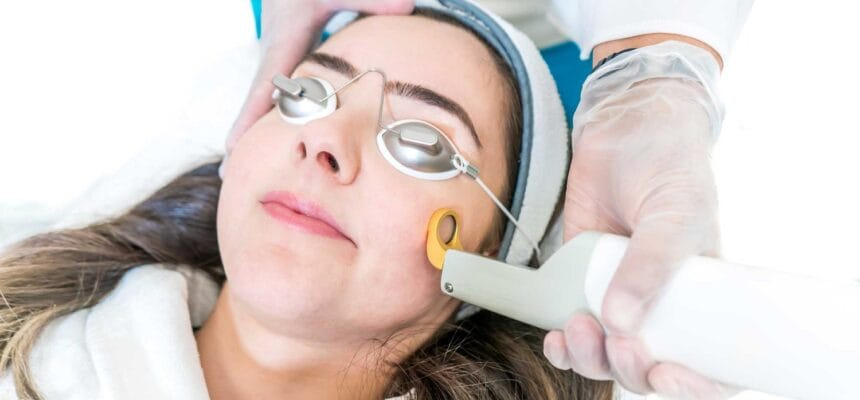

The pursuit of skin rejuvenation has led to significant advancements in dermatological technology, with laser therapies leading the charge. Among these, the carbon dioxide (CO2) laser has long been considered the gold standard for treating deep-set wrinkles, significant photo-damage, and structural skin irregularities. However, the evolution of this technology into “fractional” delivery has changed the landscape of aesthetic medicine, making intensive skin resurfacing more accessible and manageable for the modern individual.
- Understanding the Technology Behind Fractional CO2 Lasers
- The Science of Fractional Photothermolysis
- Thermal Micro-Columns and Healing
- Collagen Induction Therapy
- The Primary Benefits of Fractional CO2 Resurfacing
- Texture and Tone Refinement
- Reduction of Fine Lines and Deep Wrinkles
- Specialized Treatment for Acne Scarring
- What to Expect During the Procedure
- The Recovery Journey and Aftercare
- Is it Worth It? Factors to Consider
- Summary Points
- Frequently Asked Questions
When considering whether Fractional CO2 laser treatment Abu Dhabi is the right choice for your skincare journey, it is essential to understand the mechanics of the technology and the biological response it triggers within the dermis. This treatment represents a sophisticated balance between traditional ablative resurfacing and the need for shorter recovery periods, offering a middle ground that does not compromise on the quality of the final aesthetic outcome.
Understanding the Technology Behind Fractional CO2 Lasers
The Science of Fractional Photothermolysis
The core principle behind this treatment is fractional photothermolysis. Unlike older laser systems that removed the entire surface of the skin in a single pass, fractional technology delivers a pixelated pattern of laser energy. This creates thousands of microscopic thermal treatment zones (MTZs) while leaving the surrounding tissue untouched.
Thermal Micro-Columns and Healing
By creating these microscopic columns of thermal “injury,” the laser triggers the body’s natural wound-healing response. Because there are bridges of healthy, untreated skin between the columns, the recovery process is significantly accelerated compared to traditional methods. This mechanism allows for deep dermal penetration, which is necessary for correcting more stubborn skin concerns.
Collagen Induction Therapy
The primary goal of the CO2 wavelength (10,600 nm) is to target water in the skin cells. As the water absorbs the energy, it vaporizes, leading to immediate tissue contraction and the stimulation of long-term collagen production. Over the months following the procedure, the skin continues to remodel itself, becoming firmer and smoother.
The Primary Benefits of Fractional CO2 Resurfacing
Texture and Tone Refinement
One of the most immediate benefits noticed after the healing phase is a dramatic improvement in skin texture. The laser effectively “polishes” the skin surface, removing rough patches and addressing the dullness often associated with environmental exposure and aging.
Reduction of Fine Lines and Deep Wrinkles
While many non-invasive treatments struggle with deep kinetic wrinkles, the fractional CO2 laser is specifically designed to address them. By vaporizing damaged skin cells and forcing the growth of new, organized collagen fibers, the skin appears more “plumped” from within, naturally softening the appearance of lines around the eyes and mouth.
Specialized Treatment for Acne Scarring
For individuals dealing with the aftermath of severe acne, this treatment is often a primary recommendation. It works by breaking down the fibrous bands of scar tissue and stimulating new tissue growth to fill in “pitted” or “ice-pick” scars, creating a more uniform skin surface.
What to Expect During the Procedure
Skin Preparation and Assessment
The process begins with a thorough assessment of the skin’s integrity and the specific concerns of the individual. Preparing the skin often involves ensuring the area is clean and free of active irritations. This stage ensures that the laser energy is distributed evenly across the target zones.
The Sensation of the Laser
During the session, the device moves across the skin, emitting quick pulses of light. Most people describe the sensation as a series of warm, prickling feelings. Modern systems often incorporate cooling mechanisms to ensure the surface of the skin remains at a comfortable temperature while the deeper layers receive the necessary thermal energy.
Immediate Post-Treatment Appearance
Directly following the procedure, the skin typically appears flushed, similar to the sensation of a moderate heat flash. This is a sign that the inflammatory response—which is necessary for collagen production—has been successfully initiated.
The Recovery Journey and Aftercare
The Initial Healing Phase
The first few days following a fractional CO2 session are the most critical. The skin begins to form tiny crusts over the microscopic treatment zones. This is a protective measure by the body, and it is vital to allow these to shed naturally to reveal the fresh skin underneath.
Hydration and Protection
Post-treatment care centers heavily on moisture. Using mild, non-irritating emollients helps maintain the skin barrier while it regenerates. Additionally, protecting the new skin from environmental stressors is paramount, as the fresh layers are particularly sensitive to external elements.
Long-term Results and Maintenance
While some changes are visible once the initial redness subsides, the “true” results of a fractional CO2 treatment take time to mature. Collagen remodeling is a biological process that can continue for three to six months, meaning the skin often looks better half a year after the treatment than it does in the first few weeks.
Is it Worth It? Factors to Consider
Comparing with Non-Ablative Options
When deciding on the “worth” of a treatment, one must compare it to alternatives. Non-ablative lasers require more sessions to achieve a fraction of the results seen with a single CO2 session. For those seeking significant transformation rather than subtle maintenance, the fractional CO2 laser offers a higher “return” on the time invested.
Longevity of Results
The results of this treatment are not fleeting. Because the laser changes the actual structure of the dermis and builds new collagen, the improvements can last for years, provided the individual maintains a healthy skincare routine and protects their skin from further damage.
The Impact on Self-Confidence
Beyond the physiological changes, the psychological benefit of improved skin clarity is a major factor in the treatment’s value. Addressing long-standing concerns like deep scars or significant sun damage often leads to a renewed sense of confidence in one’s appearance.
Summary Points
Technology: Uses pixelated laser beams to treat sections of the skin, leaving healthy tissue to aid in rapid healing.
Collagen: Directly stimulates the production of new collagen and elastin, leading to tighter, firmer skin over time.
Versatility: Effective for a wide range of concerns including fine lines, deep wrinkles, and various types of scarring.
Efficiency: Offers more dramatic results in fewer sessions compared to milder, non-ablative laser systems.
Healing: Requires a dedicated downtime period where the skin undergoes a natural shedding and renewal process.
Longevity: Provides long-lasting structural changes to the skin that can persist for several years.
Frequently Asked Questions
How many sessions are typically required for noticeable results?
While a single session can provide significant improvement in skin texture and tone, many individuals opt for a series of two to three sessions spaced several months apart to achieve deep structural changes, especially when addressing deep acne scars or advanced aging.
Can this treatment be used on areas other than the face?
Yes, fractional CO2 technology is highly versatile. It is commonly used to rejuvenate the skin on the neck, chest (décolletage), and even the hands, where sun damage and skin thinning are often most visible.
How does this differ from a standard chemical peel?
While both remove layers of skin to encourage renewal, a chemical peel uses acids to dissolve skin cells, whereas the fractional CO2 laser uses light energy to vaporize them. The laser allows for much more precise control over the depth of the treatment and targets deeper layers of the dermis than most superficial or medium-depth peels.
Is there a specific time of year that is best for this treatment?
Many people prefer to undergo fractional resurfacing during the cooler months or periods when they plan to spend more time indoors. This is because the skin is highly sensitive to sunlight during the recovery phase, making it easier to manage aftercare when UV exposure is naturally lower.