

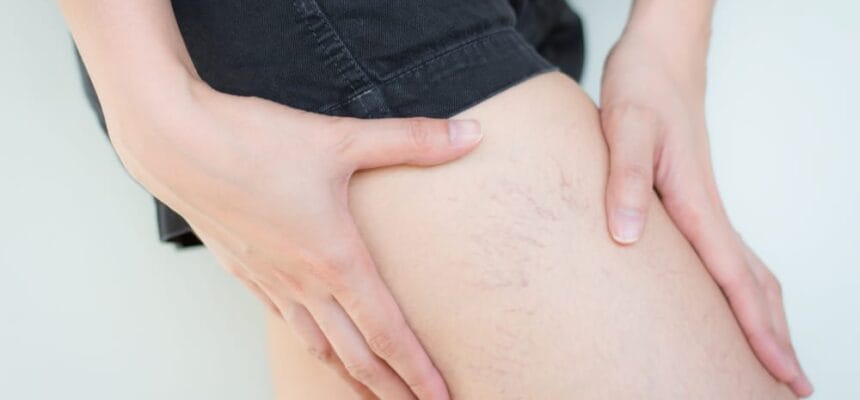
The pursuit of clear, healthy-looking legs often leads individuals to explore various medical interventions for vascular concerns. Among the most established methods for addressing spider and small varicose veins is a specialized injection-based procedure. Sclerotherapy in Abu Dhabi has become a focal point for those seeking a non-surgical path to restoring the aesthetic and functional integrity of their lower limbs. While many options exist, understanding the nuances of this specific approach is essential for anyone considering a transformation in their vascular health.
Summary Points
Vascular health is both a cosmetic and functional concern for many adults.
Injection-based treatments offer a minimally invasive alternative to traditional surgery.
The primary goal is to close damaged veins and redirect blood flow to healthier channels.
The Mechanics of Modern Vein Treatments
To understand if a treatment is “the best,” one must first understand how it functions within the body. Modern vein care relies on the principle of irritation and subsequent closure. During the procedure, a liquid or foam solution—known as a sclerosant—is introduced directly into the target vessel using a very fine needle. This solution causes the lining of the vein to swell and stick together, effectively sealing it off from the rest of the circulatory system .
Once the vein is closed, the body naturally reroutes blood flow through deeper, healthier veins. Over several weeks or months, the treated vessel turns into scar tissue and is eventually absorbed by the body, causing it to fade from the skin’s surface. This process is particularly effective for spider veins and smaller varicose veins that have not yet progressed to more severe stages of venous insufficiency.
Summary Points
A sclerosant solution is used to irritate and collapse the targeted vein.
The body naturally absorbs the closed vein over a period of several weeks.
Circulation is improved as blood is rerouted to healthier vascular pathways.
Comparing Sclerotherapy with Laser and Surgical Options
When determining the optimal treatment, the size and location of the veins play a decisive role. For very tiny, superficial spider veins—especially those on the face—surface laser treatments are often preferred because they do not require needles and can target vessels that are too small for an injection. However, for the legs, injection-based therapy is widely considered the “gold standard” because the solution can travel through the vein, ensuring a more thorough closure than surface light can achieve .
For larger, bulging varicose veins that indicate deeper vein disease, other methods like Endovenous Laser Ablation (EVLA) or Radiofrequency Ablation (RFA) may be necessary . These techniques use thermal energy via a catheter to close larger trunk veins. In the most severe cases, microphlebectomy—a process where the vein is physically removed through tiny punctures—might be the most effective way to achieve long-term relief.
Summary Points
Surface lasers are ideal for tiny facial veins but may be less effective for leg veins.
Injections are the preferred choice for medium-sized leg spider veins.
Thermal ablation and phlebectomy are typically reserved for larger, more symptomatic varicose veins.
The Advantages of a Minimally Invasive Approach
The appeal of this treatment lies largely in its convenience and high success rate. Unlike surgical “stripping” of the past, modern injections require no general anesthesia and can be completed in a simple office setting within 15 to 45 minutes. Patients are typically encouraged to walk immediately after the session to promote healthy blood flow and prevent any localized stagnation.
Furthermore, the recovery period is remarkably short. Most individuals can return to their daily routines the same day, provided they adhere to specific post-treatment care. The use of compression stockings is a critical component of this phase, as the constant pressure helps the treated vein walls stay collapsed while they begin the healing process. By choosing a minimally invasive route, patients avoid the lengthy downtimes and physical stress associated with more aggressive hospital-based surgeries.
Summary Points
No general anesthesia is required, reducing the overall physical impact on the patient.
Treatment sessions are quick, often taking less than an hour to complete.
Post-procedure walking and compression are vital for optimal healing and circulation.
What to Expect During the Healing Process
Patience is a necessary virtue when undergoing vascular treatments. While some spider veins may vanish almost immediately, most take three to six weeks to fade completely. Larger veins can take up to four months to fully respond to the treatment. It is common for the treated areas to look slightly worse before they look better; minor bruising or temporary darkening of the skin can occur as the body begins the absorption process.
Long-term success is also dependent on lifestyle. While the veins treated with a sclerosant typically do not reappear, the procedure does not prevent new veins from forming in the future. Factors such as genetics, prolonged standing, and hormonal changes can contribute to the development of new vascular issues, making occasional maintenance sessions a common part of a long-term leg health strategy.
Summary Points
Visible results typically emerge within a few weeks to several months.
Treated veins are permanently closed, though new ones may form over time.
Managing lifestyle factors is essential for maintaining the results of the procedure.
Frequently Asked Questions
Is the treatment permanent for the veins that are injected?
Yes, once a vein has been successfully closed and absorbed by the body, it does not “reopen” or return. However, because the underlying causes of vein issues (like genetics or lifestyle) may still exist, it is possible for new spider or varicose veins to appear in the same general area over time.
How many sessions are usually needed to see a clear result?
The number of sessions varies depending on the extent of the veins being treated. While some people see significant improvement after a single visit, most patients require two to four sessions to achieve their desired aesthetic outcome. These sessions are usually spaced several weeks apart.
Can I exercise immediately after the procedure?
While light walking is highly encouraged immediately following the injections to promote circulation, strenuous exercise—such as heavy lifting or high-impact running—is typically discouraged for the first 48 to 72 hours. It is best to follow the specific guidance provided by your specialist.
Is this treatment suitable for all types of skin?
Yes, injection-based vein treatments are generally safe for all skin tones. However, those with darker skin may be more prone to temporary hyperpigmentation (dark spots) at the injection site. Using sunscreen and avoiding direct sun exposure on the treated areas for a few weeks can help minimize this effect.