

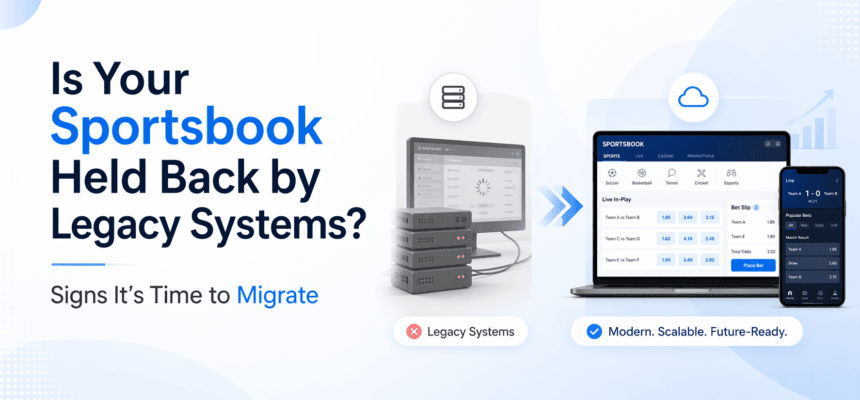

The sports betting industry has undergone significant transformation over the past decade. As user expectations continue to rise, regulations become more stringent, and competition intensifies, operators are under growing pressure to deliver fast, secure, and seamless betting experiences. Despite this shift, many sportsbooks still depend on outdated legacy systems that were never built to support today’s dynamic requirements. This often leads to performance bottlenecks, limited scalability, and slower innovation. As a result, a crucial question emerges: when does legacy debt start hindering growth, and when is the right time to transition to modern architecture? In this blog, we explore the challenges posed by legacy systems, the benefits of upgrading to modern infrastructure, and the key indicators that signal it’s time to consider a migration with the support of a reliable Sports Betting Software Provider.
- Understanding Legacy Debt in Sportsbook Platforms
- The Rise of Modern Architecture in Sports Betting
- 1. Scalability on Demand
- 2. Faster Time-to-Market
- 3. Enhanced User Experience
- 4. Improved Security and Compliance
- Key Signs It’s Time to Migrate Your Sportsbook
- 1. Frequent Downtime During High Traffic Events
- 2. Slow Feature Development
- 3. Integration Challenges
- 4. Rising Maintenance Costs
- 5. Poor User Experience
- 6. Compliance and Security Risks
- The Business Case for Migration
- Challenges of Sportsbook Migration
- Best Practices for a Successful Migration
- 1. Conduct a Comprehensive Audit
- 2. Choose the Right Technology Stack
- 3. Partner with Experts
- 4. Adopt a Phased Migration Approach
- 5. Focus on User Experience
- 6. Test Rigorously
- Future-Proofing Your Sportsbook
- Conclusion
Understanding Legacy Debt in Sportsbook Platforms
Legacy debt, often referred to as technical debt, accumulates when outdated systems, quick fixes, or inefficient codebases are continuously used instead of being upgraded or replaced. In the sportsbook industry, this typically manifests in platforms built on older frameworks that struggle to keep up with real-time betting requirements.
At first glance, legacy systems may seem “good enough.” They’ve been running for years, handling bets, managing odds, and supporting users. But beneath the surface, these systems often come with hidden costs:
- Slow performance and latency issues
- Limited scalability during peak events
- High maintenance and operational costs
- Difficulty integrating new features or APIs
- Security vulnerabilities and compliance risks
Over time, these challenges compound, making it increasingly difficult for operators to innovate or compete effectively.
The Rise of Modern Architecture in Sports Betting
Modern sportsbook platforms are built with flexibility, scalability, and performance in mind. Technologies such as microservices, cloud computing, and API-driven ecosystems have transformed how betting platforms operate.
Unlike monolithic legacy systems, modern architecture allows different components of the platform such as odds management, user accounts, payments, and analytics to function independently while still working together seamlessly.
Here’s what sets modern architecture apart:
1. Scalability on Demand
Cloud-based infrastructure ensures that sportsbooks can handle sudden spikes in traffic during major sporting events without downtime or performance issues.
2. Faster Time-to-Market
New features, betting markets, and integrations can be deployed quickly without disrupting the entire system.
3. Enhanced User Experience
Modern platforms support real-time updates, faster load times, and personalized user journeys, which are critical for retaining bettors.
4. Improved Security and Compliance
With built-in security protocols and easier updates, modern systems help operators stay compliant with evolving regulations.
Key Signs It’s Time to Migrate Your Sportsbook
Not every sportsbook needs an immediate overhaul. However, there are clear indicators that your current platform may be holding you back.
1. Frequent Downtime During High Traffic Events
If your platform struggles to stay online during major sporting events like the World Cup or playoffs, it’s a major red flag. Downtime doesn’t just frustrate users, it directly impacts revenue and brand trust.
2. Slow Feature Development
Are new features taking months to roll out? Legacy systems often require extensive testing and manual workarounds, slowing innovation. In a competitive market, speed is everything.
3. Integration Challenges
Modern sportsbooks rely heavily on third-party integrations, from payment gateways to live data feeds. If your system cannot easily integrate with a Sports Betting API provider, you’re missing out on crucial functionality.
4. Rising Maintenance Costs
Legacy platforms demand constant fixes, patches, and specialized expertise. Over time, maintenance costs can exceed the cost of migration itself.
5. Poor User Experience
Today’s bettors expect instant updates, smooth navigation, and mobile-first design. If your platform feels outdated or clunky, users will quickly move to competitors.
6. Compliance and Security Risks
Regulatory requirements are constantly evolving. Legacy systems often lack the flexibility to adapt quickly, putting operators at risk of non-compliance and potential penalties.
The Business Case for Migration
Migrating to a modern sportsbook platform is not just a technical decision, it’s a strategic business move.
Increased Revenue Opportunities
Modern platforms enable operators to introduce new betting markets, live betting features, and personalized promotions. This directly translates to higher user engagement and increased revenue.
Better Operational Efficiency
Automation, real-time analytics, and streamlined processes reduce operational overhead and improve decision-making.
Competitive Advantage
In a saturated market, delivering a superior user experience can be the difference between success and failure. Modern architecture allows you to stay ahead of competitors by continuously innovating.
Challenges of Sportsbook Migration
While the benefits are clear, migration is not without its challenges. It requires careful planning, investment, and execution.
Data Migration Complexity
Transferring user data, transaction history, and betting records must be handled securely and accurately.
Downtime Risks
Without proper planning, migration can lead to temporary service disruptions.
Change Management
Teams need to adapt to new systems, workflows, and technologies.
Cost Considerations
Initial migration costs can be significant, but they should be viewed as a long-term investment rather than an expense.
Best Practices for a Successful Migration
To ensure a smooth transition, operators should follow a structured approach:
1. Conduct a Comprehensive Audit
Evaluate your current platform’s strengths, weaknesses, and limitations. Identify the areas that need immediate improvement.
2. Choose the Right Technology Stack
Select modern technologies that align with your business goals, scalability needs, and regulatory requirements.
3. Partner with Experts
Working with an experienced Sports Betting Software Provider can significantly reduce risks and ensure a seamless migration process.
4. Adopt a Phased Migration Approach
Instead of a complete overhaul, consider migrating components gradually. This minimizes disruption and allows for better testing.
5. Focus on User Experience
Ensure that the transition enhances, rather than disrupts, the user experience. Communicate changes clearly to your users.
6. Test Rigorously
Conduct extensive testing to identify and resolve issues before going live.
Future-Proofing Your Sportsbook
The sports betting landscape is constantly evolving, with trends like AI-driven analytics, blockchain integration, and immersive betting experiences shaping the future.
Modern architecture not only addresses current challenges but also prepares your platform for future innovations. By adopting a flexible and scalable system, you can easily integrate new technologies and adapt to changing market demands.
Conclusion
Legacy systems may have served their purpose in the past, but in today’s fast-paced sports betting environment, they can quickly become a liability. From performance issues to limited scalability and rising costs, the drawbacks of legacy debt are hard to ignore.
On the other hand, modern architecture offers the agility, efficiency, and innovation needed to thrive in a competitive market.
The key is knowing when to make the move.
If your sportsbook is facing performance bottlenecks, slow innovation, or integration challenges, it may be time to consider migration. While the process requires careful planning and investment, the long-term benefits far outweigh the risks.
Ultimately, migrating to a modern sportsbook platform isn’t just about upgrading technology it’s about positioning your business for sustained growth, improved user satisfaction, and long-term success in an ever-evolving industry.