

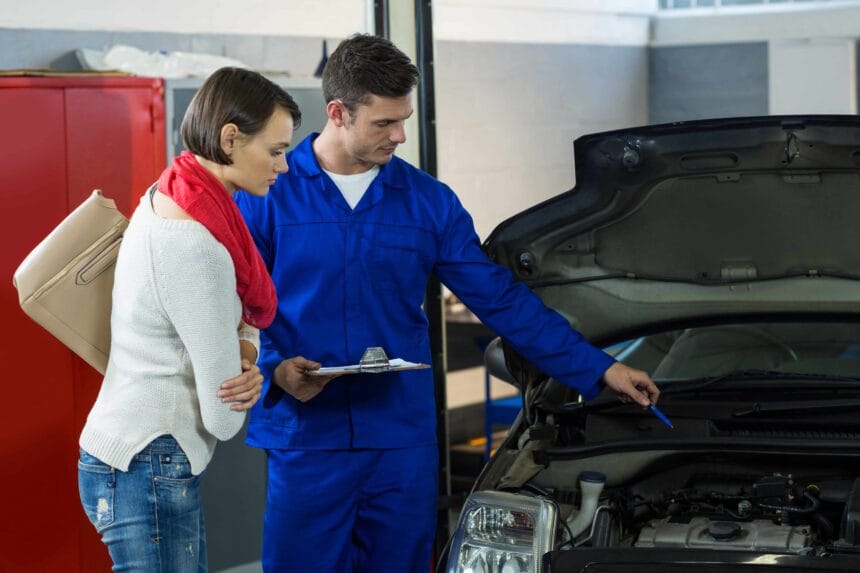
The purchase of a vehicle can be one of the largest expenses for most consumers, only second to buying a house. When purchasing your first or an upgraded car, it is easy to be caught up in the thrill and excitement of the moment without carefully considering what you are purchasing. Many times, buyers only look at the cost and aesthetics of the vehicle, while overlooking potential mechanical issues that are present under the surface. This is why it is critical to have a pre purchase vehicle inspection done before finalizing any sale.
- What Is a Pre-Purchase Vehicle Inspection?
- Why Vehicle Inspections Are Important for Every Potential Purchaser
- Essential Pre Purchase Vehicle Inspection Checklist
- 1. Inspect Exterior and Body
- 2. Engine Inspection & Mechanical Inspection
- 3. Tire, Suspension, and Braking Systems
- 4. Evaluating the Test Drive
- 5. Documentation and Vehicle History Check
- Cost vs. Value of Inspection Services
- Conclusion
A qualified inspector will provide you with a detailed description of the actual condition of the vehicle and help you avoid unexpected expenses associated with repairs. A thorough evaluation will evaluate everything from the vehicle’s mechanical condition to the operating condition of the safety systems, to ensure that you will be making a wise investment of your money, rather than gambling on the existence of unknown troubles.
What Is a Pre-Purchase Vehicle Inspection?
A Pre-Purchase Vehicle Inspection is a comprehensive evaluation of a vehicle conducted before purchasing it, and is usually completed by a professional automotive inspection services or certified technician. The inspection evaluates the mechanical systems, structural integrity, safety equipment, and overall performance of the vehicle.
In a sense, it is like having a complete health examination for a car. The exterior of a vehicle could appear to be in great condition and have been properly maintained, but the person buying the vehicle may not see inside where issues such as wear on the engine or damage to the transmission occur or that hidden problems are the result of unreported accidents.
Many purchasers believe that a vehicle inspection is only necessary when they are buying an older vehicle; however, even newer vehicles could have had damage due to an unreported accident or have received flood damage, or lack maintenance. By having an reputable used car inspection service conduct an inspection on the car being purchased will ensure that what the seller has described to the buyer is accurate and that the buyer feels more confident in making a purchase.
Why Vehicle Inspections Are Important for Every Potential Purchaser
Choosing not to perform an inspection on a vehicle may feel like an extra cost to incur; however, they more than likely will become more expensive and create errors in the purchasing process. Cars have thousands of pieces and thousands of components, and if they are not discovered and diagnosed early enough, a minor failure can lead to costly repairs if left unaddressed.
Automotive inspection services are very beneficial to every potential purchaser of a vehicle for a number of reasons. First, they allow for identifying potential mechanical safety issues that will impact performance and reliability. Second, they can be utilized for identifying what sorts of negotiations should take place if repairs are required. In addition to both identifying and negotiating good pricing, inspections can help avoid purchasing a vehicle with significant hidden damage.
Utilizing a trusted mechanic to provide auto repair services is a good way to estimate what types of maintenance may arise in the future, and allow you to plan and budget accordingly. By having the inspector cover all aspects of your inspection, you do not run the risk of finding a problem with your vehicle shorty after purchasing it, and will gain a level of understanding about the transparency of the vehicle from its inspection. Overall, an automotive inspection can provide a small investment to save you thousands in unexpected repairs and future frustrations.
Essential Pre Purchase Vehicle Inspection Checklist
1. Inspect Exterior and Body
The first thing to check on a vehicle is its exterior. This includes looking at the body of the vehicle for dents, scratches, rust, and paint that doesn’t match. You should expect to see differences in color from the body parts if the car has been in an accident. Make sure that the doors line up correctly, with even gaps between the panels to avoid possible damage to the vehicle’s chassis.
A professional auto inspection company will also check the vehicle’s frame for evidence that it has been repaired after being damaged. They will also check the lenses of the headlights and mirrors, and inspect the condition of the glass and windshields for cracks. If there is rust on or around the wheel wells or beneath the door sills, it may be an indication of the vehicle having been exposed to water or not properly maintained for an extended period of time.
2. Engine Inspection & Mechanical Inspection
The engine of a vehicle is the most important piece of equipment on any car. A Pre Purchase Vehicle Inspection includes the technician’s evaluation of all aspects of the engine (performance, fluid levels, leakage).
During the inspection, technicians will also look at the condition of the oil, the condition of the coolant, the condition of the battery, the condition of the belts, the condition of the hoses, and how the transmission operates. If any unusual noises are coming from underneath the hood (knocking, ticking), or if the engine vibrations seem excessive, this could indicate that the engine is internally damaged or has a lot of wear.
In addition, a good professional automotive inspection services will also connect their diagnostic scanner(s) to the car to check for stored error codes. Just because there was no “Check Engine” light illuminated at the time of the inspection does not mean that there are not hidden problems. A qualified mechanic that provides auto repairs services will tell you if the issues found were minor or are likely to develop into costly repairs in the future.
3. Tire, Suspension, and Braking Systems
Tires and suspension components affect the overall safety of the vehicle and driving experience. If the tire wear is uneven, this could indicate an alignment issue or a damaged suspension component.
A reliable used car inspection service will check the remaining tread depth on the tires, the condition of the brake pads, the condition of the shock absorbers, and the steering response. The inspector will look for vibrations, pulling, and delayed stopping during the brake tests to identify any potential worn brake components.
The costs to replace brakes, suspension parts, or tires are very high and can increase the cost of ownership significantly. Finding these issues before making a purchase will allow a buyer a chance to negotiate price or decide to purchase a different vehicle
4. Evaluating the Test Drive
Test driving is a crucial aspect of understanding the performance of a vehicle in real-life conditions. While you are test driving, please take note of how well the vehicle accelerates, how it responds to steering input, the performance of the brakes, and how the transmission shifts.
A professional has an opportunity to test drive the vehicle under a variety of driving conditions and assess engine performance, as well as how comfortable the suspension is and how smoothly the vehicle handles on the road. Strange noises, vibrations, and hesitation when accelerating can indicate mechanical issues.
If you combine a professional used car inspection service with a comprehensive test drive, you will be better able to assess how the vehicle is performing mechanically; this will help to indicate how the vehicle is performing from a visual perspective.
5. Documentation and Vehicle History Check
You must verify the documentation on a used car after inspecting it physically. Verify that the Vehicle Identification Number (VIN) on the vehicle matches the VIN on the registration and check the vehicle’s maintenance history.
Most car inspection service providers will also research accident history, ownership history, and recall status for the used vehicle being inspected. A vehicle can be mechanically sound; however, if the documentation attached to the used car is incomplete or inaccurate, it could lead to legal issues in the future.
Verifying documentation helps to protect you from becoming a victim of fraud and makes it much easier for you to transfer all documentation when you purchase a used vehicle.
Cost vs. Value of Inspection Services
Pre Purchase Vehicle Inspection fees normally cost between $100 and $300, depending on the vehicle type and inspection depth. However, this fee is considered small in comparison to possible future repair costs, such as engine or transmission replacements.
Professional Automotive Inspection Services offer detailed reports of the inspection process; many buyers have used these reports during negotiation for a reduced purchase price. The amount saved during negotiations typically exceeds the cost of the inspection.
Purchasing a car with an expert mechanic who provides auto repair services will not be considered an extra expense; it is an investment for your financial protection.
Conclusion
Purchasing a vehicle without conducting an appropriate inspection before purchase is much like completing a contract without reading it. A complete pre-purchase vehicle inspection process provides confidence, clarity of information and bargaining power for potential purchasers. The inspection process creates value in purchasing the right car; every element, from the outside and mechanical condition of a vehicle to the documentation being in order provides some form of protection for your investment.
Utilizing trusted car inspection services, used car inspection services, and Professional Automotive Inspection Services will empower you to make an informed purchasing decision, rather than making an assumption. Having experienced technicians who specialize in operating and understanding the auto repair service will provide you with direction and guidance, you will be able to avoid unforeseen problems, as well as create peace of mind and comfort while using your new vehicle.
Remember the one key rule to purchasing your next vehicle: inspect it first, then buy it.