

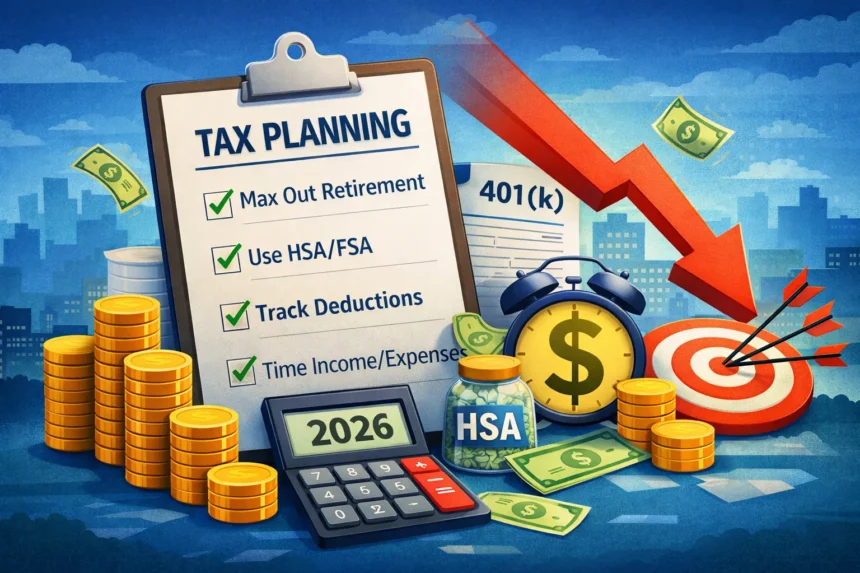

Paying taxes is unavoidable, but overpaying is not. Many individuals and businesses miss opportunities to legally reduce their tax burden simply because they plan too late. Strategic tax planning is about making proactive financial decisions throughout the year to minimize taxes while staying fully compliant with regulations set by authorities like the Internal Revenue Service. With the right approach, you can improve cash flow, protect profits, and build long-term financial stability.
- What Is Strategic Tax Planning?
- Why Strategic Tax Planning Matters
- Reduce Overall Tax Liability
- Improve Cash Flow
- Avoid Penalties and Compliance Issues
- Support Long-Term Financial Goals
- Key Strategies Used in Strategic Tax Planning
- Income Timing
- Expense Management
- Maximizing Deductions and Credits
- Retirement Contributions
- Entity Structure Optimization
- Strategic Tax Planning for Businesses
- Strategic Tax Planning for Individuals
- Common Mistakes to Avoid
- When Should You Start Tax Planning?
- How Professional Guidance Can Help
- Conclusion
What Is Strategic Tax Planning?
Strategic tax planning involves analysing your financial situation and using legal methods to reduce tax liability. Instead of reacting during tax season, it focuses on planning ahead by aligning income, expenses, investments, and business decisions with tax-efficient strategies.
This approach is useful for both individuals and businesses looking to optimize their financial outcomes.
Why Strategic Tax Planning Matters
Reduce Overall Tax Liability
Proper planning helps identify deductions, credits, and exemptions that lower the total amount of taxes owed.
Improve Cash Flow
By minimizing tax payments, businesses and individuals can retain more cash for operations, investments, or savings.
Avoid Penalties and Compliance Issues
Staying ahead of tax obligations ensures timely filings and reduces the risk of audits or penalties.
Support Long-Term Financial Goals
Tax-efficient decisions can positively impact wealth building, retirement planning, and business growth.
Key Strategies Used in Strategic Tax Planning
Income Timing
Shifting income between tax years can help manage taxable income and potentially reduce tax rates.
Expense Management
Accelerating or delaying expenses allows better control over deductions in a given financial year.
Maximizing Deductions and Credits
Identifying all eligible tax deductions and credits ensures you are not leaving money on the table.
Retirement Contributions
Investing in retirement accounts can reduce taxable income while securing future financial stability.
Entity Structure Optimization
For businesses, choosing the right structure can significantly impact tax obligations and benefits.
Strategic Tax Planning for Businesses
Businesses can benefit greatly from tax planning by aligning their financial activities with tax-saving opportunities. This includes managing payroll taxes, tracking deductible expenses, and optimizing revenue recognition.
Regular financial reviews help businesses stay prepared and adjust strategies as regulations or financial goals change.
Strategic Tax Planning for Individuals
Individuals can use tax planning to manage income, investments, and personal expenses more efficiently. Simple steps like contributing to retirement plans, claiming eligible credits, and managing capital gains can make a noticeable difference.
Planning ahead also helps avoid last-minute stress during tax season.
Common Mistakes to Avoid
Many people only think about taxes when filing returns, which limits their ability to save. Ignoring professional advice, failing to keep accurate records, and overlooking available deductions are common issues that reduce potential savings.
Another mistake is relying on outdated tax strategies without considering current laws and financial changes.
When Should You Start Tax Planning?
The best time to start strategic tax planning is at the beginning of the financial year. However, it’s never too late to improve your approach. Regular monitoring throughout the year ensures you can make timely adjustments and take advantage of available opportunities.
How Professional Guidance Can Help
Working with experienced tax professionals can provide valuable insights into complex tax rules and strategies. They can help you identify opportunities specific to your situation and ensure full compliance with regulations.
This support is especially useful for businesses or individuals with multiple income sources or investments.
Conclusion
Strategic tax planning is not just about saving money—it’s about making smarter financial decisions that support long-term success. By planning ahead, staying informed, and using the right strategies, you can reduce your tax burden while remaining compliant. Whether you’re managing personal finances or running a business, a proactive approach to taxes can make a significant difference in your financial future.