

Skin aging is often reduced to visible signs, such as fine lines, sagging, and dullness. But these changes are only the outcome of a deeper biological slowdown.
- Understanding the Dermal Battery Theory
- The Science Behind 660nm: A Targeted Approach
- How Skin Responds To Red Light Therapy
- Epidermis (Surface Layer)
- Dermis (Structural Layer)
- Cellular Level
- Lymphatic System
- Collagen Synthesis Without Skin Damage
- The Role of Infrared Heat in Enhancing Results
- Conclusion: A Smarter Approach to Skin Aging
At the core of this process are fibroblasts, the cells responsible for producing collagen and elastin. As we age, these cells lose energy in the form of ATP (adenosine triphosphate), which directly impacts their ability to maintain skin structure.
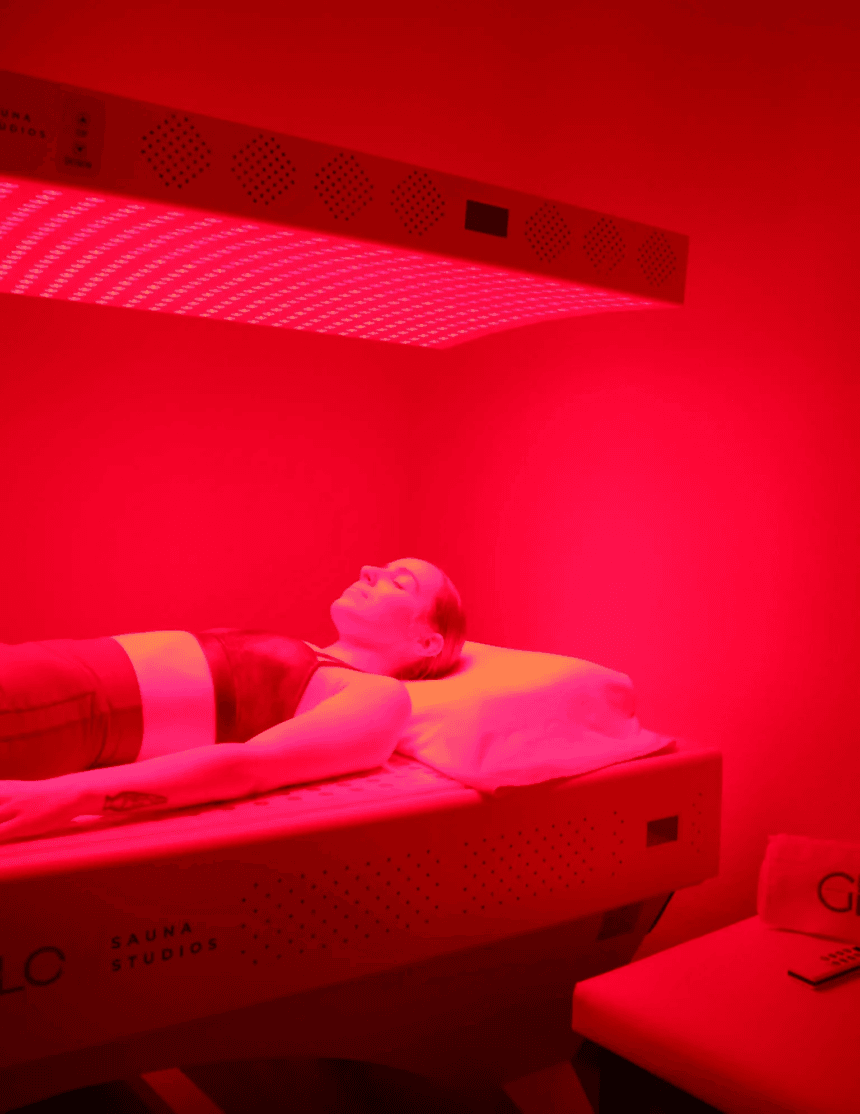
When energy declines, collagen production slows. Over time, this leads to reduced firmness, elasticity, and overall skin resilience. This is where targeted 660nm red light therapy offers a fundamentally different approach by addressing the energy deficit at the cellular level.
Understanding the Dermal Battery Theory
Skin function depends on consistent cellular energy. Fibroblasts act as the structural engine of the skin, continuously producing collagen to maintain density and elasticity.
With age, this dermal battery begins to drain. Reduced ATP levels weaken the skin’s ability to repair and regenerate efficiently.
Instead of forcing external change, red light therapy works by restoring this internal energy cycle. By improving ATP production, it enables fibroblasts to resume their natural function: supporting gradual, structural skin improvement.
The Science Behind 660nm: A Targeted Approach
Not all wavelengths of light interact with the skin in the same way. The effectiveness of red light therapy depends on precision.
- 660nm wavelength penetrates the skin at an optimal depth, reaching the dermis where collagen production occurs
- It interacts with Cytochrome c Oxidase, a key mitochondrial enzyme
- This interaction stimulates the production of ATP, increasing cellular energy
While near-infrared light (around 850nm) penetrates deeper into muscles and joints, 660nm is specifically tuned for skin-level benefits. This makes it highly effective for improving skin structure and appearance.
How Skin Responds To Red Light Therapy
The impact of 660nm Red Light Therapy can be understood across different layers of the skin:
Epidermis (Surface Layer)
- Increased microcirculation
- Improved nutrient delivery
- Visible improvement in tone and brightness
Dermis (Structural Layer)
- Activation of fibroblasts
- Increased collagen production
- Improved firmness and elasticity
Cellular Level
- Reduced activity of collagen-degrading enzymes
- Slower structural breakdown
Lymphatic System
- Reduced inflammation
- Improved fluid movement
- Less puffiness and better definition
Collagen Synthesis Without Skin Damage
Traditional anti-aging treatments often rely on controlled damage to trigger repair. Procedures like chemical peels and lasers create micro-injuries, forcing the skin to heal and regenerate.
While effective, these methods:
- Cause inflammation
- Require downtime
- Can lead to inconsistent results
Red Light Therapy takes a non-invasive approach. Through neocollagenesis (new collagen formation), it stimulates production without damaging the skin. This makes it a more sustainable and low-risk option for long-term skin health.
The Role of Infrared Heat in Enhancing Results
Improved Circulation
Heat causes vasodilation, increasing blood flow and oxygen delivery to the skin.
Better Light Absorption
Open pores and improved circulation allow deeper and more effective penetration of 660nm wavelengths.
Detoxification Support
Sweating helps remove surface impurities and cellular waste, reducing barriers to light absorption.
This combination creates a more efficient environment for cellular repair and regeneration.
Conclusion: A Smarter Approach to Skin Aging
Skin aging begins at the cellular level, where declining energy limits the skin’s ability to maintain itself.
By using targeted 660nm wavelengths, Glow’s Red Light Therapy addresses this root cause, supporting ATP production, collagen synthesis, and overall skin function.
Rather than masking visible signs, it enables the skin to rebuild from within. For people who are looking to move beyond surface-level solutions, exploring Glow Sauna Studios offers a more structured, biology-driven approach to maintaining skin health over time.