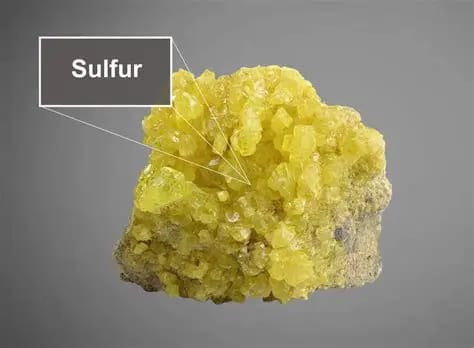

Sulfur is one of the most important elements in nature, yet it rarely gets the attention given to oxygen, carbon, or nitrogen. This bright yellow, naturally occurring mineral plays a critical role in biological systems, supporting life at the molecular level. From forming essential amino acids to enabling key metabolic reactions, sulfur is deeply woven into the fabric of living organisms.
What Is Sulfur?
Sulfur is a native mineral, meaning it can be found in its pure form in nature. It is abundant in the Earth’s crust and often located near volcanic regions or hot springs. Historically, sulfur has been used in agriculture, medicine, and industry, but its biological importance is just as significant.
In living organisms, sulfur is not typically found as a standalone element. Instead, it is incorporated into various organic compounds that perform essential functions in cells.
Sulfur in Amino Acids and Proteins
One of sulfur’s most important roles is its presence in two key amino acids: cysteine and methionine. These amino acids are the building blocks of proteins, which are responsible for nearly every function in the body.
Cysteine contains a sulfur group that allows it to form disulfide bonds. These bonds act like molecular bridges, helping proteins maintain their structure. Without these bonds, many proteins would lose their shape and function properly. This is especially important for enzymes and structural proteins like keratin, which is found in hair, skin, and nails.
Methionine, on the other hand, plays a role in initiating protein synthesis. It is often the first amino acid incorporated into a new protein chain, making it essential for growth and repair processes in the body.
Role in Enzymatic Reactions
Sulfur is also a key component of many enzymes. Enzymes are biological catalysts that speed up chemical reactions necessary for life. In many cases, sulfur atoms are part of the active site of these enzymes, allowing them to interact with other molecules effectively.
For example, sulfur is involved in redox reactions, which are chemical processes that transfer electrons between molecules. These reactions are crucial for energy production, especially in cellular respiration. Without sulfur-containing compounds, cells would struggle to produce the energy needed to survive.
Sulfur and Metabolism
Sulfur plays a vital role in metabolism, particularly in the synthesis of coenzymes and vitamins. Compounds such as coenzyme A rely on sulfur to function. Coenzyme A is essential for the metabolism of fatty acids and carbohydrates, helping convert food into usable energy.
Additionally, sulfur is part of certain vitamins, including biotin and thiamine. These vitamins are necessary for maintaining healthy metabolic processes, supporting nerve function, and promoting overall cellular health.
Detoxification and Antioxidant Defense
Another important function of sulfur is its role in detoxification. The body uses sulfur-containing compounds to neutralize harmful substances and eliminate toxins. One of the most important of these compounds is glutathione, often referred to as the body’s “master antioxidant.”
Glutathione contains sulfur and helps protect cells from oxidative stress, which can damage DNA, proteins, and cell membranes. It also plays a role in liver function, aiding in the breakdown and removal of toxins from the body.
Sulfur in Plants and the Ecosystem
Sulfur is not only essential for animals and humans but also for plants. It is a key nutrient that supports plant growth and development. Plants absorb sulfur from the soil in the form of sulfate ions, which they use to synthesize amino acids and proteins.
In agriculture, sulfur is often used as a fertilizer to improve crop yield and quality. A deficiency in sulfur can lead to stunted growth and reduced productivity in plants.
Sulfur also plays a role in the global ecosystem through the sulfur cycle. This natural process involves the movement of sulfur between the atmosphere, soil, water, and living organisms. Microorganisms play a crucial role in this cycle by converting sulfur into different chemical forms that can be used by plants and other organisms.
Health Implications of Sulfur Deficiency
Although sulfur deficiency is relatively rare in humans, it can still have negative effects. Since sulfur is a component of essential amino acids, a lack of it can impact protein synthesis and overall health.
Symptoms may include fatigue, कमजोर hair and nails, joint discomfort, and impaired detoxification. Ensuring a diet rich in protein sources such as eggs, meat, legumes, and nuts can help maintain adequate sulfur levels.
Industrial and Medical Relevance
Beyond its biological functions, sulfur has practical applications that indirectly support human health. It is widely used in the production of fertilizers, pharmaceuticals, and even skincare products. Sulfur-based compounds are often used to treat skin conditions like acne due to their antibacterial properties.
Conclusion
Sulfur may not be as widely discussed as other essential elements, but its role in biological processes is undeniable. From maintaining protein structure to supporting metabolism and detoxification, sulfur is fundamental to life.
Its presence in amino acids, enzymes, and antioxidants highlights its versatility and importance at the cellular level. Whether in the human body, plants, or the broader ecosystem, sulfur continues to play a crucial role in sustaining life on Earth.
belirangkalisari.id: Understanding sulfur’s functions not only deepens our knowledge of biology but also emphasizes the importance of maintaining a balanced intake of nutrients that support overall health.