

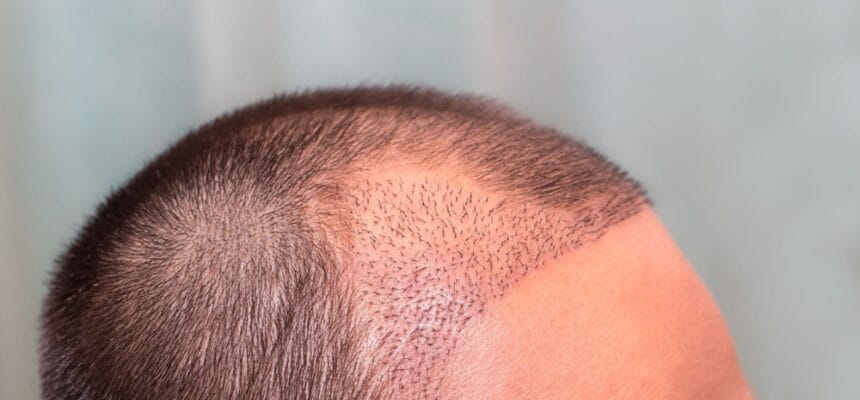

The landscape of hair restoration has undergone a massive transformation in recent years, evolving from invasive procedures to highly refined, minimally invasive techniques. Modern technology now allows for results that are virtually indistinguishable from natural hair growth. When considering Hair Transplant in Abu Dhabi, understanding the nuances between various surgical approaches is essential for anyone looking to restore their confidence and achieve a fuller head of hair.
- The Evolution of Hair Restoration Techniques
- Follicular Unit Extraction (FUE): The Modern Industry Standard
- Direct Hair Implantation (DHI): Precision at Its Peak
- Sapphire FUE: Integrating Gemstone Technology
- Robotic and AI-Assisted Hair Restoration
- Adjuvant Therapies: Boosting Transplant Success
- Choosing the Best Method for Your Needs
- Frequently Asked Questions
As of 2026, the focus of the industry has shifted toward maximizing graft survival and minimizing recovery time through the integration of artificial intelligence and advanced instrumentation (Estenove, 2026). While older methods laid the foundation for the field, today’s gold standards utilize ultra-precise tools to ensure every follicle is placed with artistic and clinical accuracy.
The Evolution of Hair Restoration Techniques
The journey of hair transplantation began with the “plug” method in the 1950s, which often resulted in an unnatural, doll-like appearance. Over the decades, surgeons moved toward Follicular Unit Transplantation (FUT), also known as the strip method, which allowed for larger sessions but left a linear scar. The real breakthrough came with the introduction of Follicular Unit Extraction (FUE), a method that extracts individual follicles without the need for a large incision.
Brief Breakdown:
Historical Context: Transitioned from 4mm large plugs to individual follicle handling.
Technological Leap: The shift from manual tools to motorized and robotic systems has significantly improved efficiency.
Refined Aesthetics: Modern methods focus on the angle, depth, and direction of hair to mimic natural growth patterns.
Follicular Unit Extraction (FUE): The Modern Industry Standard
FUE remains the most widely performed hair restoration technique globally, accounting for over 75% of all procedures. This method involves using a micro-punch tool, typically between 0.7mm and 1.0mm in diameter, to harvest individual hair follicles from the “donor area”—usually the back or sides of the head. These follicles are then meticulously implanted into the thinning or balding areas.
Brief Breakdown:
Minimally Invasive: No linear scarring, as each graft is removed individually.
Quick Recovery: Most patients return to their daily routines within a week.
Versatility: Suitable for both large-scale scalp restoration and smaller areas like eyebrows or beards.
Direct Hair Implantation (DHI): Precision at Its Peak
Direct Hair Implantation, or DHI, is often considered a premium advancement of the FUE technique. The primary difference lies in the implantation phase. In standard FUE, a surgeon must first create “channels” or incisions in the recipient area before placing the grafts. In DHI, a specialized tool called a Choi Implanter Pen is used to create the site and insert the follicle simultaneously.
Brief Breakdown:
Enhanced Control: Allows for precise management of the hair’s angle and depth.
Graft Viability: Reduces the time follicles spend outside the body, which can improve survival rates to over 90%.
No-Shave Options: Often preferred by those who wish to keep their existing hair long during the procedure.
Sapphire FUE: Integrating Gemstone Technology
A significant refinement in the FUE process is the use of Sapphire blades instead of traditional steel. These blades are made from synthetic sapphire, which is much harder and smoother than metal. This allows surgeons to create even smaller, V-shaped incisions that cause less trauma to the surrounding tissue.
Brief Breakdown:
Reduced Inflammation: The precision of sapphire leads to less swelling and faster healing.
Denser Results: Smaller incisions allow for grafts to be placed closer together, increasing overall hair density.
Smoother Recovery: Patients often experience less scabbing and a more comfortable post-operative phase.
Robotic and AI-Assisted Hair Restoration
By 2026, Artificial Intelligence and robotics have become integral to high-end hair restoration. Robotic systems, such as ARTAS, use sophisticated algorithms to scan the scalp and identify the healthiest follicles for extraction. This technology reduces human fatigue and ensures a consistent level of quality throughout long surgical sessions.
Brief Breakdown:
AI Mapping: Algorithms analyze hair density and graft availability to create a personalized plan.
Robotic Accuracy: Minimizes damage to healthy follicles during the extraction process.
Predictable Outcomes: High-tech planning tools allow patients to visualize their potential results before the procedure begins.
Adjuvant Therapies: Boosting Transplant Success
Modern hair restoration is rarely a standalone surgical event. Surgeons now frequently combine transplants with regenerative treatments to improve the “take” rate of the new follicles. Platelet-Rich Plasma (PRP) and exosome therapies are the most common additions, providing growth factors that stimulate blood flow and cellular repair.
Brief Breakdown:
PRP Therapy: Uses the patient’s own blood components to accelerate healing and graft growth.
Exosomes: Cutting-edge vesicles that signal dormant follicles to enter the growth phase.
Synergy: Combined protocols have shown a 15–20% improvement in graft survival compared to surgery alone.
Choosing the Best Method for Your Needs
There is no “one-size-fits-all” answer to which method works best; the ideal choice depends on the patient’s specific hair loss pattern, donor hair quality, and aesthetic goals. For individuals requiring high density in a small area, DHI or Sapphire FUE might be superior. Those needing extensive coverage across the entire scalp may find that motorized FUE provides the best balance of speed and results.
Brief Breakdown:
Customization: A professional assessment is required to determine the best technical approach.
Focus on Naturalness: The ultimate goal of any modern method is a seamless, natural-looking hairline.
Long-Term Health: Modern techniques prioritize the preservation of the donor area for any potential future needs.
Frequently Asked Questions
Which hair transplant method has the shortest recovery time?
Techniques like DHI and Sapphire FUE generally offer the fastest recovery because they use ultra-fine instruments that cause minimal tissue trauma. Most patients find that visible signs of the procedure subside within 5 to 7 days.
Is DHI better than FUE for hair density?
DHI can be more effective for achieving high density in specific areas because the Choi Implanter Pen allows for very close placement of follicles. However, Sapphire FUE is also highly regarded for creating dense, natural-looking hairlines.
Can a hair transplant look completely natural?
Yes, modern methods like FUE and DHI are designed to mimic natural growth. By controlling the angle and direction of each individual graft, surgeons can recreate a hairline that is virtually indistinguishable from your original hair.
How long do the results of a modern hair transplant last?
Hair transplanted from the permanent donor zones (typically the back of the head) is genetically resistant to balding. Therefore, the results of a successful modern hair transplant are generally considered permanent.