
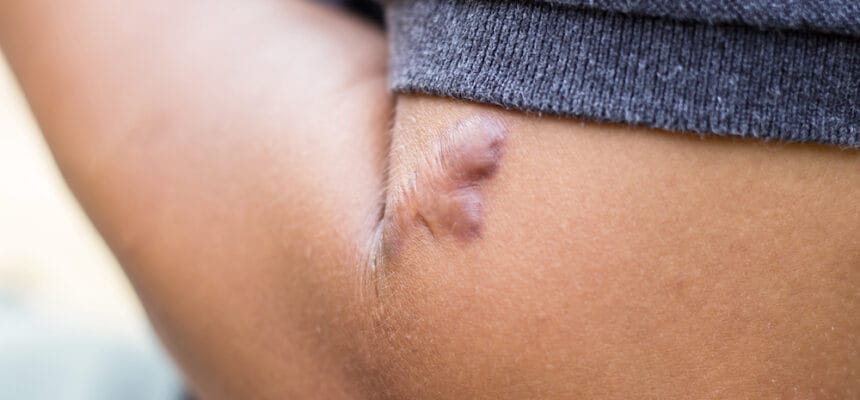

Keloids are more than just scars; they are a testament to the body’s aggressive healing process. While most scars fade over time, keloids have a tendency to grow beyond the original boundary of an injury, creating raised, firm, and often itchy or painful patches of skin. Understanding the mechanics behind modern dermatological interventions helps demystify why professional Keloid Treatment in Abu Dhabi has become so effective for those seeking smoother skin. By utilizing advanced technology and personalized care plans, specialists are now able to manage these stubborn growths with higher success rates than ever before.
- The Biology of Keloid Formation
- Why Modern Interventions are Superior
- The Role of Non-Invasive Technologies
- Strategic Pressure and Occlusion
- Targeted Medicinal Applications
- The Importance of Early Intervention
- Addressing the “Itch and Ouch”
- Customization: The Key to Success
- The Future of Keloid Management
- Frequently Asked Questions
Definition: Keloids are overgrowths of scar tissue that occur after skin trauma.
The Problem: Unlike standard scars, keloids do not regress on their own and can cause physical discomfort.
The Goal: Effective treatment focuses on flattening the scar, reducing symptoms, and preventing recurrence.
The Biology of Keloid Formation
To understand why treatment is effective, one must first understand what a keloid is. When the skin is injured—whether by a surgical incision, a piercing, or even a minor scratch—the body produces collagen to bridge the gap. In most people, collagen production stops once the wound is closed. However, in individuals prone to keloids, the “off switch” for collagen synthesis fails to trigger. This results in a dense, disorganized web of fibrous tissue.
Treatment is effective because it targets this specific biological malfunction. By intervening at the cellular level, modern procedures can slow down the overactive fibroblasts (the cells responsible for collagen) and encourage the tissue to soften. Without this intervention, the keloid would likely continue to expand, sometimes for years after the initial injury.
Fibroblast Activity: These cells are hyperactive in keloid-prone skin.
Collagen Overload: Excessive Type I and Type III collagen leads to the raised structure.
Intervention: Successful treatments aim to “reset” the healing signal.
Why Modern Interventions are Superior
In the past, the primary method for dealing with keloids was simple excision. However, because the act of cutting the skin is itself a trauma, the keloid would often return—sometimes larger than before. Today, the effectiveness of treatment lies in a multi-modal approach. We no longer rely on a single method but rather a combination of therapies that address the scar from multiple angles.
The evolution of medical technology has introduced tools that can penetrate deep into the dermis without causing significant secondary trauma. This precision is what allows for the gradual breakdown of the scar’s internal structure. When the tissue is treated with high precision, the body is less likely to respond with a fresh wave of aggressive collagen production.
Moving Beyond Surgery: Simple removal is rarely the answer due to high recurrence rates.
Multi-Modal Therapy: Combining different techniques yields the best long-term results.
Precision Technology: Modern tools allow for targeted treatment of deep scar tissue.
The Role of Non-Invasive Technologies
One of the most effective ways to manage keloids is through non-invasive or minimally invasive technologies. These methods focus on the vascularity of the scar. Keloids are living tissue, meaning they require a blood supply to grow. Modern treatments can target the tiny blood vessels feeding the scar. By reducing the nutrient flow to the keloid, the tissue begins to shrink and lose its vibrant red or purple color.
Furthermore, these technologies help in remodeling the collagen. Instead of a chaotic, thick mass, the collagen fibers are encouraged to realign in a more organized, flat manner. This not only improves the appearance but also significantly reduces the itching and tension often associated with large scars.
Understanding Vascular Targeting
By focusing on the blood supply, the “growth engine” of the keloid is effectively throttled. This leads to a natural softening of the area over time.
Collagen Remodeling
Heat or light-based energies can be used to break the bonds of the hard scar tissue, allowing the body’s lymphatic system to gradually clear away the debris.
Vascular Reduction: Starving the scar of its blood supply prevents further growth.
Symptom Relief: Reducing the size of the scar alleviates physical tightness and itching.
Texture Improvement: Remodeling makes the skin feel more like the surrounding healthy tissue.
Strategic Pressure and Occlusion
Effectiveness isn’t always about high-tech machinery; sometimes, it’s about consistent mechanical influence. Pressure therapy and silicone occlusion are staples in keloid management. These methods work by creating a controlled environment over the scar. Silicone sheets, for instance, increase the hydration of the stratum corneum (the outermost layer of skin).
When the skin is properly hydrated, it sends a signal to the fibroblasts to stop producing so much collagen. Similarly, constant, gentle pressure can limit the oxygen supply to the scar tissue, further inhibiting its ability to expand. When used in conjunction with other clinical treatments, these methods provide a “24/7” approach to management that significantly boosts the overall success rate.
Hydration Signals: Increased moisture tells the body that the “repair” is complete.
Oxygen Limitation: Pressure creates a hypoxic environment that discourages tissue growth.
Consistency: These methods work continuously between clinical sessions.
Targeted Medicinal Applications
Perhaps the most common reason keloid treatments are so effective today is the use of targeted medicinal injections. These are not general medications but substances specifically chosen to interfere with the inflammatory response and the collagen cycle. By placing the medicine directly into the heart of the scar, practitioners can ensure that the highest concentration of the active ingredient reaches the problematic cells.
These injections work by inhibiting the synthesis of collagen and decreasing the activity of inflammatory mediators. Over a series of sessions, the keloid typically flattens and becomes much more pliable. This method is highly effective for smaller keloids or as a preventative measure following the removal of a larger growth.
Softening the Tissue
The medication breaks down the “cross-linking” of collagen fibers, which is what makes keloids feel so hard to the touch.
Reducing Inflammation
Since inflammation fuels keloid growth, calming the local immune response is vital for long-term stability.
Direct Delivery: Injections ensure the medication stays where it is needed most.
Structural Breakdown: Helps turn a hard, “woody” scar into soft skin.
High Success Rate: This remains one of the most reliable methods for flattening raised scars.
The Importance of Early Intervention
The effectiveness of any keloid treatment is drastically increased when the scar is caught in its early stages. A “young” keloid is still actively remodeling and has a more robust blood supply, making it more responsive to therapy. When a patient seeks help as soon as they notice a scar becoming raised or itchy, the treatment can often halt the growth before it becomes a significant aesthetic or physical burden.
Even for older, more established keloids, treatment remains effective, though it may require more patience and a more intensive combination of therapies. The key is recognizing that a keloid is a dynamic entity; it is constantly changing, and therefore, it can be influenced by the right interventions.
Window of Opportunity: Early-stage keloids are more “malleable” and easier to treat.
Preventing Expansion: Stopping a keloid early prevents it from invading healthy surrounding skin.
Long-term Monitoring: Ongoing care ensures that any signs of recurrence are handled immediately.
Addressing the “Itch and Ouch”
For many individuals, the effectiveness of treatment is measured not just by how the scar looks, but by how it feels. Keloids are notorious for causing sharp pains, “pins and needles” sensations, and intense itching. These symptoms are caused by the dense scar tissue pressing on local nerve endings.
Modern treatments are exceptionally good at relieving these symptoms. As the scar flattens and softens, the pressure on the nerves is released. For many, this improvement in quality of life is the most significant benefit of seeking professional care. Being able to wear clothing without irritation or sleep without discomfort is a major milestone in the treatment journey.
Nerve Decompression: Softening the scar removes the physical trigger for pain.
Inflammation Control: Reducing redness often goes hand-in-hand with reducing itchiness.
Functional Comfort: Treatment allows for better range of motion if the keloid is near a joint.
Customization: The Key to Success
No two keloids are exactly the same. They vary based on the patient’s skin type, the location on the body, the age of the scar, and the original cause of the injury. The high effectiveness seen in modern clinics is largely due to the customization of treatment plans. A plan for a keloid on the earlobe (often caused by piercings) will look very different from a plan for a keloid on the chest or back.
By tailoring the energy levels of devices, the concentration of medications, and the frequency of visits, specialists can optimize the body’s response. This bespoke approach ensures that the treatment is aggressive enough to work but gentle enough to avoid triggering further scarring.
Skin Type Considerations: Different complexions require different safety protocols.
Anatomical Location: Areas with high tension (like the chest) need specialized approaches.
Adaptive Planning: The treatment plan evolves based on how the scar responds over time.
The Future of Keloid Management
We are currently in a golden age of dermatological advancement. Research into the genetic markers of keloid formation is paving the way for even more targeted therapies. While we currently focus on physical and medicinal interventions, the future may hold topical treatments that can “turn off” the keloid gene locally.
Even with current technology, the effectiveness of treatment is at an all-time high. By understanding the science of the skin and respecting the complexity of the body’s healing mechanisms, we can achieve results that were once thought impossible.
Genetic Research: Understanding why some people are prone to keloids will lead to better prevention.
Improved Topicals: New creams and gels are being developed to support clinical procedures.
Higher Standards: Ongoing education means more practitioners are skilled in these specialized techniques.
Frequently Asked Questions
Can a keloid disappear completely with treatment?
While many treatments can flatten a keloid so that it is level with the surrounding skin and significantly fade its color, the skin may always look slightly different in texture. The goal is to make the scar as inconspicuous and comfortable as possible.
Is the treatment painful?
Most modern methods are designed with patient comfort in mind. While some injections or energy-based therapies may cause minor, temporary discomfort, topical numbing agents are often used to ensure the process is very tolerable.
How many sessions are usually required?
Because keloids are stubborn, a single session is rarely enough. Most people see significant improvement over a series of 4 to 8 sessions, depending on the size and thickness of the scar.
Why do keloids sometimes come back?
Keloids have a high recurrence rate because the body’s “healing memory” is stuck in an overactive loop. This is why following the full recommended treatment plan and using preventative measures like silicone sheets is crucial to keep the skin flat.