

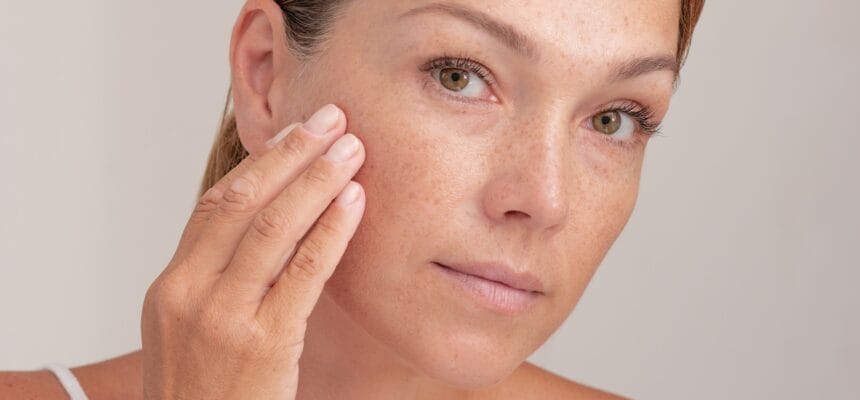

Understanding the science of skin discoloration is the first step toward achieving a clear, even complexion. Pigmentation concerns, ranging from sunspots to melasma, often require a sophisticated approach that combines advanced technology with biological understanding. When considering Pigmentation Treatment in Abu Dhabi, it is essential to recognize that efficacy is driven by the precision of the tools used and the customization of the treatment plan to the individual’s skin type.
Defining Pigmentation and Its Causes
Hyperpigmentation occurs when the body produces excess melanin, the pigment responsible for skin color. This can be triggered by UV exposure, hormonal shifts, or post-inflammatory responses. Effective treatments focus on either inhibiting the production of melanin or safely removing existing pigment clusters from the skin’s surface.
Key Takeaways:
Melanin Regulation: Effectiveness relies on managing the biological triggers of pigment production.
Trigger Identification: Understanding whether the cause is external (sun) or internal (hormones) dictates the treatment path.
Cellular Turnover: Speeding up the skin’s natural shedding process helps reveal unblemished layers.
The Role of Advanced Technology in Skin Correction
The evolution of aesthetic science has introduced methods that target pigment at various depths of the dermis. Unlike general skincare, professional interventions utilize specific wavelengths of light or chemical concentrations to break down stubborn spots without damaging the surrounding healthy tissue.
Laser Precision
Lasers work through a process called selective photothermolysis. By emitting a specific wavelength, the energy is absorbed only by the darker pigmented cells. This energy shatters the pigment into tiny particles, which are then naturally processed and eliminated by the body’s lymphatic system.
Chemical Exfoliation
Professional-grade peels use acids to dissolve the “glue” holding dead, pigmented skin cells together. By removing the top layers of the epidermis, these treatments force the skin to regenerate, bringing fresh, evenly pigmented cells to the surface.
Key Takeaways:
Selective Targeting: Modern tools distinguish between healthy skin and hyperpigmented areas.
Non-Invasive Progress: Most effective methods focus on stimulating the body’s natural healing response.
Depth Control: Professionals can adjust the intensity of treatments to reach deep-seated dermal pigment.
Customization: The Core of Success
No two skin types react to pigment triggers in the same way. The effectiveness of a treatment is largely dependent on how well it is tailored to the patient’s specific skin “phototype.” Using the wrong intensity on darker skin tones, for instance, can sometimes cause rebound pigmentation, making customization the most critical factor in a successful outcome.
Assessing Skin Sensitivity
A professional evaluation determines the resilience of the skin barrier. Treatments are then calibrated to ensure they are strong enough to yield results but gentle enough to avoid unnecessary inflammation.
Addressing Melasma vs. Sun Damage
Melasma is often deeper and more sensitive to heat than standard sunspots. Effective treatment protocols for melasma usually involve “cool” energy or specific chemical inhibitors rather than high-heat lasers, which could potentially worsen the condition.
Key Takeaways:
Phototype Awareness: Treatment settings must be adjusted based on the Fitzpatrick scale (skin color and reaction to sun).
Condition-Specific Plans: Sunspots and hormonal melasma require entirely different therapeutic approaches.
Barrier Protection: Ensuring the skin remains hydrated and protected during the process enhances the final result.
The Biological Process of Pigment Removal
Once a treatment is administered, the body begins a complex biological cleanup. This phase is just as important as the procedure itself. The effectiveness of the intervention is visible only after the skin has completed its renewal cycle, which typically takes several weeks.
Fragmentation and Absorption
When pigment is shattered by light energy, it becomes “debris.” Macrophages—specialized cells in the immune system—engulf these particles and transport them away. This is why many people see their spots darken slightly before they fade away completely.
Inhibition of Tyrosinase
Many effective topical or chemical treatments work by inhibiting tyrosinase, the enzyme required to produce melanin. By “turning off” this enzyme, the skin stops producing new dark spots while the old ones are being treated, leading to a more sustainable glow.
Key Takeaways:
Immune System Support: The body’s natural cleanup crew is responsible for the final “fading” effect.
Enzyme Regulation: Blocking melanin at the source prevents the recurrence of spots.
The Healing Cycle: Results are cumulative, following the skin’s 28-day regeneration cycle.
Maintaining Results through Environmental Protection
The most effective treatment in the world can be undone by a single afternoon of unprotected sun exposure. Longevity in skin clarity is maintained through a strict regimen of environmental defense.
The Power of Antioxidants
Antioxidants like Vitamin C and Ferulic Acid neutralize free radicals caused by pollution and UV rays. When used alongside professional treatments, they provide a secondary layer of defense that keeps the skin’s pigment-producing cells in a “quiet” state.
Physical and Chemical Barriers
Broad-spectrum protection is non-negotiable. By reflecting or absorbing UV rays, these barriers prevent the activation of melanocytes, ensuring that the results of the pigmentation treatment remain crisp and clear for the long term.
Key Takeaways:
UV Prevention: Shielding the skin is the only way to protect the “investment” of the treatment.
Radical Neutralization: Antioxidants prevent the oxidative stress that leads to premature aging and spotting.
Consistency: Daily protection is required regardless of the weather or indoor environment.
Frequently Asked Questions
1. How long does it take to see results after a pigmentation session?
Visible improvement typically appears after the skin’s natural turnover cycle, which is roughly 3 to 4 weeks. However, because the body needs time to flush out fragmented pigment, the most dramatic results are usually seen after a series of sessions rather than a single visit.
2. Can pigmentation return after it has been successfully treated?
Pigmentation can return if the underlying triggers—such as unprotected sun exposure or hormonal fluctuations—are not managed. While the treated spots are physically removed or faded, the skin’s “memory” for producing pigment remains, making maintenance and protection vital.
3. Are these treatments suitable for all skin tones?
Yes, but the method must be chosen carefully. Certain lasers and deep peels are better suited for lighter skin, while others, such as specific Q-switched lasers or gentle micro-needling with pigment-inhibiting serums, are safer and more effective for deeper skin tones to avoid post-inflammatory issues.
4. Why does the pigment sometimes look darker immediately after treatment?
This is actually a sign of an effective treatment. When pigment is targeted, it often rises to the surface of the skin (a process sometimes called “peppering” or “coffee grounding”) before it naturally flakes off or is absorbed by the body. This temporary darkening precedes the final clearing.