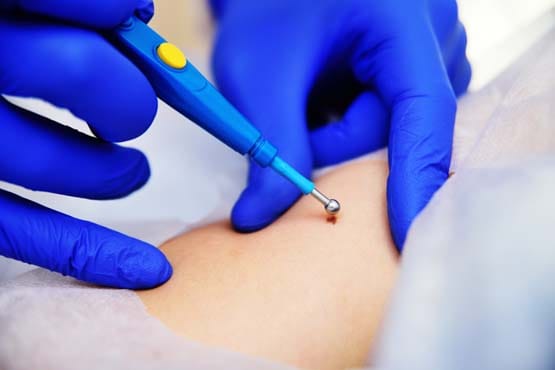

Warts are small, grainy skin growths caused by the human papillomavirus (HPV). While they are generally harmless, many individuals choose to have them professionally removed for aesthetic reasons or to prevent further spread. Obtaining a Warts Removal Treatment in Abu Dhabi involves a variety of modern techniques, including cryotherapy, laser therapy, or minor surgical excision. However, the success of these procedures depends heavily on how you manage the treated area during the healing phase.
Essential Precautions Following Your Procedure
The period immediately following a wart removal is critical for tissue regeneration. When the skin is treated, the protective barrier is temporarily compromised, making the area more susceptible to external irritants. Proper care ensures that the skin heals evenly and that the virus does not find an opportunity to return. Understanding what to steer clear of can be the difference between a smooth recovery and a prolonged healing process.
Protecting the treated site: Maintaining a clean environment around the wound prevents environmental contaminants from entering the healing tissue.
Limiting physical contact: Excessive touching or friction can disrupt the newly forming skin cells.
Environmental awareness: Being mindful of heat and moisture levels helps maintain the integrity of the scab or bandage.
Activities to Avoid for Optimal Healing
One of the most common mistakes individuals make is returning to their full physical routine too quickly. While most removal methods are minimally invasive, the underlying tissue needs time to stabilize. High-intensity activities or specific environmental exposures can lead to complications that slow down your progress.
Avoiding Strenuous Exercise
Engaging in heavy lifting or intense cardiovascular workouts can increase blood flow and cause localized swelling. Furthermore, sweat is a known irritant for fresh wounds. Salt and bacteria found in perspiration can cause stinging or inflammation at the site of the removal. It is generally advised to wait until the initial redness has subsided before returning to the gym.
Impact of sweat: Perspiration can soften scabs prematurely, leading to a risk of the wound reopening.
Blood pressure spikes: Increased circulation from heavy exercise can cause minor throbbing or discomfort at the treatment site.
Stretching of the skin: If the wart was located near a joint, movement can pull at the healing edges.
Water Exposure and Moisture Management
While hygiene is important, soaking the treated area in water is highly discouraged for the first 24 to 48 hours. This includes swimming pools, hot tubs, and long baths. Water can soften the skin and the protective scab that forms naturally over the treated area. If a scab falls off too early, it leaves the raw skin underneath exposed to the air before it is ready.
Chlorine and chemicals: Pool chemicals can be harsh on sensitive, recovering skin.
Bacterial risks: Public water sources are breeding grounds for bacteria, which should be kept away from any healing wound.
Bandage integrity: Constant moisture can cause medical dressings to lose their adhesion, leaving the area unprotected.
Skin Care Habits to Suspend
Your daily skincare routine may contain products that are beneficial for healthy skin but detrimental to a healing wound. Active ingredients found in many over-the-counter creams can cause significant irritation when applied to an area that has recently undergone a removal procedure.
Staying Away from Harsh Topicals
Avoid using products that contain retinoids, exfoliating acids (like salicylic or glycolic acid), or heavy perfumes. These substances are designed to increase cell turnover or provide scent, but on a fresh treatment site, they can cause a chemical-like burn or intense itching. Stick to the simple, bland ointments if recommended by a professional.
Exfoliants: These can strip away the new skin layers before they are fully developed.
Fragrances: Synthetic scents are a primary cause of contact dermatitis in healing skin.
Alcohol-based toners: Alcohol dries out the wound, which can lead to cracking and discomfort.
Resisting the Urge to Pick or Scratch
As the skin heals, it is natural for the area to become slightly itchy or for a dry crust to form. It is imperative that you do not pick, scratch, or peel this crust. The scab acts as a biological bandage. Removing it prematurely not only increases the time it takes to heal but also increases the likelihood of leaving a lasting mark on the skin.
Natural progression: Allow the dry skin to fall off on its own during the washing process.
Risk of reinfection: Picking with fingernails can introduce new bacteria to the site.
Uniform healing: Keeping the scab intact ensures the skin underneath heals at a consistent rate.
Sun Exposure and Environmental Protection
The new skin that emerges after a wart removal is extremely thin and lacks the usual melanin protection of the surrounding areas. This makes it highly sensitive to ultraviolet (UV) radiation. Exposure to the sun can lead to post-inflammatory hyperpigmentation, where the treated spot becomes darker than the rest of your skin.
Avoiding Direct Sunlight
For at least several weeks following the procedure, the area should be shielded from the sun. If the removal was on a visible area like the hands or face, using physical barriers such as clothing or hats is the most effective method. Once the skin has closed completely, the application of a broad-spectrum sunscreen is a mandatory step in your daily routine.
UV Sensitivity: New skin cells burn much faster than established skin.
Pigmentation changes: Sun exposure can cause the area to tan unevenly, leaving a permanent shadow.
Heat aggravation: Direct heat from sunlight can cause the area to feel inflamed or uncomfortable.
Managing Tight Clothing
If the wart was removed from an area covered by clothes, such as the torso or feet, avoid wearing tight or restrictive garments. Friction from fabric rubbing against the treatment site can cause irritation and may even rub off the protective dressing. Opt for loose, breathable fabrics like cotton to allow for air circulation.
Fabric choice: Natural fibers are less likely to cause irritation compared to synthetics.
Pressure points: Avoid belts or tight straps that sit directly over the treated spot.
Airflow: Proper ventilation helps keep the area dry and promotes faster recovery.
Long-Term Maintenance for Skin Health
Once the initial healing phase is over, maintaining the health of your skin is vital to prevent the recurrence of warts. While the specific growth has been removed, the virus can sometimes linger in the surrounding skin cells. By following a healthy skin regimen and avoiding certain behaviors, you can keep your skin clear and smooth.
Building a Strong Skin Barrier
A healthy, hydrated skin barrier is your first line of defense against viral infections. Using gentle cleansers and regular moisturization helps keep the skin intact. Dry, cracked skin provides easy entry points for viruses to take hold.
Hydration: Drinking plenty of water supports overall skin regeneration.
Consistent care: A simple, non-irritating routine is often better than a complex one.
Observation: Regularly check your skin for any new changes or growths.
Hygiene in Public Spaces
To prevent the need for future treatments, it is wise to avoid walking barefoot in communal areas such as locker rooms, gym showers, or public pools. These environments are where the virus that causes warts is most commonly transmitted. Wearing flip-flops or water shoes is a simple habit that provides significant protection.
Protective footwear: Always use shoes in shared damp environments.
Personal items: Avoid sharing towels, razors, or socks with others.
Hand hygiene: Regular hand washing reduces the chance of transferring the virus to different parts of the body.
FAQs
How long does it take for the skin to look normal again?
The timeline varies depending on the removal method used and the size of the wart. Generally, the initial healing happens within one to two weeks, but the slight pinkness of the new skin may take several weeks to blend in completely with your natural skin tone.
Can I apply makeup over the area?
It is best to avoid applying makeup directly onto the wound until the skin has fully closed and any scabbing has naturally resolved. Once the surface is smooth and intact, you can use mineral-based makeup to cover any lingering redness, ensuring you cleanse it off gently at the end of the day.
Is it necessary to keep the area covered?
In the first few days, keeping the area covered with a clean bandage protects it from friction and bacteria. However, your specialist may eventually advise you to leave it open to the air to facilitate the final stages of drying and healing. Always follow the specific instructions provided after your session.
What should I do if the area feels dry?
If the area becomes excessively dry or tight, you can apply a very thin layer of a fragrance-free, petroleum-based ointment. This keeps the scab flexible and prevents it from cracking, which can be uncomfortable. Avoid heavy lotions that contain complex chemicals or anti-aging ingredients during this time.