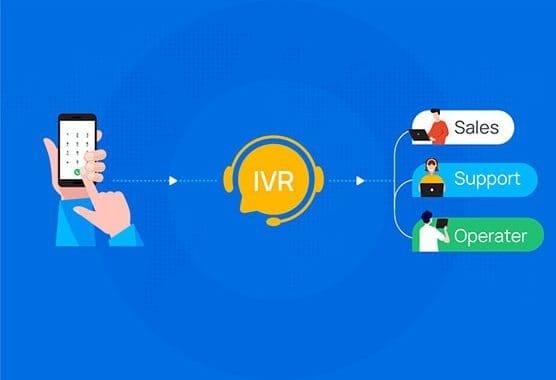

A few years ago, when a customer called a business, the experience often felt… rigid. Press 1, press 2, wait in line, repeat your issue when someone finally picks it up. The system worked, technically. But it rarely felt built for the way people actually interact with companies today.
That mismatch is exactly why more businesses are quietly replacing their traditional phone trees with cloud IVR solutions.
Not because IVR is new. Far from it. The difference is where the system lives and how easily it can adapt when customer behavior changes.
The Hidden Cost of Old IVR Systems
Traditional IVR setups were built like office furniture—installed once and expected to stay in the same place for years. Hardware in a server room. Complex configuration. Any change meant calling a technician or waiting on the telecom provider.
I once worked with a mid-sized insurance firm that needed a simple menu update before a new product launch. The change took almost a week. By the time the message finally went live, their campaign was already halfway through.
That delay might seem small, but it’s the kind of friction that adds up over time.
Teams today want to adjust call flows the same way they update a website page. Quickly. Without paperwork. Without waiting.
That’s where the cloud changes the equation.
Flexibility Without the Infrastructure Headache
When IVR runs in the cloud, the physical limitations disappear.
No on-site hardware. No capacity planning every time call volume grows. If traffic spikes during a campaign or seasonal rush, the system simply handles it.
One retail brand I spoke with experienced exactly this during a holiday sale. Their previous setup struggled every December, forcing customers into long queues. After moving to cloud contact center solutions, the difference was noticeable almost immediately. Calls distributed across agents automatically, overflow routes kicked in when needed, and support teams could adjust menu options in minutes.
Nothing dramatic. Just a smoother experience for everyone involved.
Customers Expect Faster Routing Now
The biggest shift isn’t technology. It’s my expectations.
People rarely have patience for slow support channels anymore. If someone calls a company, they usually want one thing: reach the right person quickly.
Modern IVR systems help with that in ways older systems couldn’t.
Instead of long numeric menus, businesses can route calls using context—time of day, customer history, even which campaign triggered the call. A returning customer might skip the general menu entirely and land directly with the account team.
From the outside, it feels simple. On the inside, it reduces call transfers, shortens handle times, and makes agents’ jobs easier.
Remote Teams Changed the Game
Another reason businesses are leaning toward cloud IVR solutions has little to do with IVR itself.
It’s the workforce.
Customer support teams are no longer sitting in one office building. Agents work remotely, across cities and time zones. A phone system tied to physical infrastructure doesn’t adapt well to that reality.
Cloud-based systems fit much better. Agents log in from anywhere, call routes dynamically, and supervisors can monitor activity without being in the same building.
One SaaS company I spoke with expanded its support team into three countries within a year. Their phone system handled the expansion without requiring a new telecom setup in each location. The platform simply distributed calls based on availability.
For growing teams, that flexibility matters.
Better Visibility Into What’s Actually Happening
Traditional call systems rarely gave businesses a clear picture of what customers were experiencing.
You might see total call counts or average hold times. But deeper insights were harder to access.
Cloud-based platforms changed that. With cloud contact center solutions, managers can see patterns almost immediately: which menu options customers choose most, where they drop off, when queues build up, and which teams need support during peak hours.
That kind of visibility makes small improvements possible.
A logistics company I worked with noticed a surprising number of callers choosing the wrong menu option for shipment tracking. A quick IVR tweak—changing the wording and moving that option earlier in the flow—reduced misrouted calls by nearly 30%.
Small adjustment. Big impact.
Integration Makes the Experience Feel Smarter
Another shift happening quietly is how IVR systems connect with other tools.
Older systems operated in isolation. Calls came in, agents answered, and the conversation started from scratch every time.
With cloud platforms, the phone system can connect with CRM tools, ticketing systems, and support dashboards.
When a customer calls, the agent already sees relevant details: past conversations, open tickets, recent purchases. The conversation starts at a much better place.
It feels less like navigating a system and more like talking to a business that actually remembers you.
What Businesses Should Think About Before Switching
Moving to the cloud isn’t just about replacing hardware. The bigger opportunity lies in rethinking how calls flow through the organization.
A few practical steps tend to make the transition smoother:
- Review current call paths. Many companies discover outdated menu options that no longer serve customers.
- Focus on faster routing. Shorter menus often lead to better customer experiences.
- Train teams early. The tools are easier to use, but teams should understand how to adjust call flows when needed.
- Track real metrics. Look beyond call volume. Watch queue times, transfer rates, and resolution speed.
Technology is only half the story. The process around it matters just as much.
A Quiet Shift Happening Across Industries
Banks, e-commerce brands, healthcare providers, logistics companies—the shift toward cloud IVR solutions is happening across nearly every service-heavy industry.
Not because IVR suddenly became trendy.
Because businesses realized their phone systems needed to evolve the same way the rest of their tools already had.
Customers expect faster answers. Teams work from more places. Support operations change frequently.
Cloud systems simply make those changes easier to handle.
And once companies experience that flexibility, going back to the old setup usually isn’t an option they even consider anymore.