
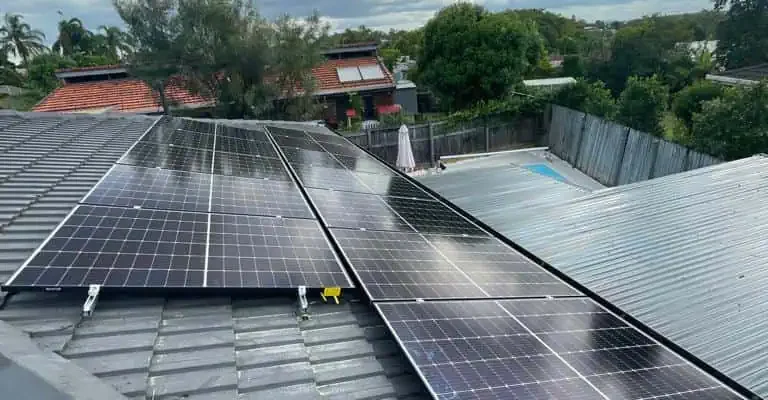
Off-grid solar systems are becoming increasingly popular, especially in remote and rural areas where grid electricity is unavailable or unreliable. These systems allow homes, farms, cabins, and small businesses to generate and use their own electricity independently. However, unlike grid-connected solar systems, an off-grid setup must supply 100% of the property’s power needs at all times.
Because of this, the quality of design and installation becomes critically important. Hiring a reliable and experienced solar installer is one of the most important decisions a property owner can make when planning an off-grid solar system.
What Makes Off-Grid Solar Different
A grid-connected solar system can rely on the electricity network whenever solar production is low. Off-grid systems do not have this backup. They must produce, store, and manage electricity carefully to avoid power shortages.
An off-grid solar system includes several key components:
- Solar panels
- Battery storage system
- Inverter/charger
- Charge controller
- Backup generator (optional in some setups)
Each component must be correctly sized and configured. Even a small design mistake can cause serious problems such as frequent battery drain or complete power failure.
Importance of Proper System Design
The most critical step in off-grid installation is load calculation. A professional installer studies the property’s daily energy usage, including:
- Lighting requirements
- Refrigeration
- Water pumps
- Appliances
- Heating or cooling equipment
If the system is undersized, the batteries may run out of power at night or during cloudy weather. If oversized, the owner may unnecessarily overspend on equipment. A reliable installer balances performance and cost efficiently.
They also design the system considering seasonal variations. Winter sunlight hours are shorter, so the system must still provide sufficient energy during low-sun periods.
Battery Storage Planning
Batteries are the backbone of any off-grid system because they store electricity for nighttime and cloudy days. Improper battery selection or configuration can lead to frequent replacements, high maintenance costs, and unreliable power.
A qualified installer determines:
- Required battery capacity
- Type of battery technology
- Charging cycles
- Safe discharge limits
Incorrect battery setup can shorten battery life dramatically. In some cases, batteries fail within two years instead of lasting 8–12 years.
Safety and Electrical Protection
Off-grid solar systems handle continuous electrical flow. Poor wiring, incorrect earthing, or improper protection devices can create serious hazards such as overheating or electrical fires.
Professional installers ensure:
- Proper cable sizing
- Surge protection
- Correct grounding
- Safe inverter configuration
Safety compliance is essential because off-grid properties rely entirely on this system for daily living.
System Monitoring and Maintenance
Reliable solar installers provide system monitoring and maintenance guidance. Off-grid systems require periodic checks to maintain performance. Installers help owners understand:
- Battery maintenance procedures
- Load management practices
- Energy consumption planning
Many modern systems include remote monitoring, allowing early detection of faults before major failure occurs.
Backup Power Planning
Experienced installers often recommend backup generators as a safety measure. During extended cloudy weather or unusually high electricity usage, the generator can recharge batteries and prevent outages.
Without proper planning, homeowners may experience unexpected power cuts, which defeats the purpose of installing an independent energy system.
Long-Term Financial Benefits
Although professional installation may cost slightly more initially, it prevents expensive mistakes. Poorly designed systems often lead to:
- Frequent battery replacement
- Equipment damage
- Reduced energy production
- Additional repair costs
A reliable installer ensures optimal performance and longer component lifespan, which ultimately saves money over time.
Peace of Mind
An off-grid solar system powers essential daily activities — cooking, lighting, communication, refrigeration, and water supply. Reliable installation provides confidence that electricity will be available when needed.
Experienced installers also provide technical support, warranty assistance, and troubleshooting services. This support becomes extremely valuable in remote locations.
Conclusion
Off-grid solar systems require precise planning, correct equipment selection, and safe installation. Hiring a reliable solar installer ensures the system operates efficiently, safely, and consistently.
A properly designed off-grid solar system provides true energy independence, stable electricity supply, and long-term financial savings. Choosing a qualified professional is not an optional step — it is the foundation of a successful off-grid solar investment.