

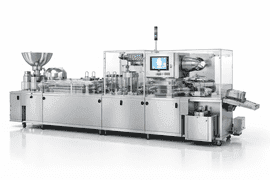

The pharmaceutical industry is currently facing a dual challenge: an unprecedented rise in global demand for medication and a tightening of international safety regulations. In such a high pressure environment, relying on outdated or manual packaging processes is no longer a sustainable business model. To maintain a competitive edge and ensure the highest levels of patient safety, the integration of a high performance pharmaceutical packaging machine has become a fundamental requirement for modern brands. Automation is the bridge between a laboratory breakthrough and a successfully delivered medical solution, providing the precision and reliability that human labor simply cannot replicate.
The Pursuit of Zero-Defect Accuracy
In the world of pharmaceuticals, there is no such thing as an acceptable margin of error. A slight deviation in dosage or a compromised seal can lead to severe health consequences or massive product recalls. Automation eliminates the variables introduced by human fatigue and inconsistency.
Precision Filling and Dosing
Modern automated systems use advanced volumetric and weight based filling technologies. These systems ensure that every sachet, bottle, or blister pack contains the exact amount of active ingredients. By utilizing high precision sensors, the machinery can monitor the flow of powders and liquids in real time, making micro-adjustments to maintain accuracy across thousands of units.
Seal Integrity and Protection
The shelf life and efficacy of a drug depend entirely on its protection from oxygen, moisture, and light. Automated machines provide consistent heat and pressure during the sealing process, creating a hermetic barrier that preserves the chemical stability of the medication. This level of consistency is vital for maintaining the “potency” of the drug throughout its entire life cycle.
Eliminating the Risk of Contamination
Human interaction is the single greatest source of contamination in a manufacturing facility. Even with strict gowning protocols, the presence of people in the packaging area increases the risk of introducing bacteria, hair, or skin cells into the product.
Closed-Loop Systems: Automated machines allow for a closed-loop packaging process where the product moves from the hopper to the final sealed package without ever being exposed to the open air.
Sterile Design: High quality pharma machinery is constructed from 316L stainless steel, which is easy to sanitize and resistant to the harsh cleaning chemicals used in pharmaceutical cleanrooms.
Reduced Handling: By automating the feeding, filling, and sealing stages, you minimize the number of times a product is touched, ensuring that it reaches the consumer in its purest possible state.
Meeting Strict Regulatory and Serialization Standards
The legal landscape for pharmaceutical brands is becoming increasingly complex. Governments worldwide now require detailed traceability for every unit of medicine sold. This is a massive administrative task that can only be handled through sophisticated automation.
Serialization and Tracking
Better packaging automation allows for the seamless integration of serialization tools. These systems print unique, scannable codes on every individual package. This allows for:
Immediate Recall Capability: Identifying and removing specific batches without affecting the entire inventory.
Authentication: Helping pharmacies and hospitals verify that the product is genuine and not a counterfeit.
Supply Chain Transparency: Tracking the movement of the product from the factory to the end user.
Compliance with FDA and CGMP
Automated systems are designed to generate digital logs and audit trails. These reports provide documented proof that the temperature, pressure, and speed of the production line remained within the required “Current Good Manufacturing Practice” (CGMP) standards. This documentation is essential during inspections and audits.
Scaling Production to Meet Market Demand
The ability to scale quickly is often the difference between a successful product launch and a missed market opportunity. If your brand relies on manual or semi-automated processes, your production speed is capped by the size of your workforce.
Automation breaks these barriers. A high speed production line can operate 24 hours a day, 7 days a week, with minimal downtime for maintenance. This allows pharma brands to respond to sudden spikes in demand, such as during flu seasons or global health emergencies, without having to hire and train new staff overnight.
Improving Operational ROI and Efficiency
While the initial investment in automation may seem significant, the long term Return on Investment (ROI) is undeniable. Automation improves the bottom line in several key ways:
Reducing Material Waste
Manual processes often result in “overfilling” to ensure safety or “spillage” due to human error. Automated machines are programmed to use the exact amount of product and packaging film required. This reduces raw material waste and saves thousands of dollars in high value pharmaceutical ingredients over the course of a year.
Labor Optimization
Automation does not necessarily mean removing workers; it means repositioning them. Instead of performing repetitive, low value tasks like hand sealing bags, your staff can be moved to higher value roles such as quality assurance, product development, or supply chain management.
Embracing the Modern Production Standard
As your brand looks toward the future, the transition to an automatic packaging machine is the most logical step for growth. These systems are designed to be “future-proof,” with modular designs that can be upgraded as your product line expands.
Modern automatic systems offer “Quick Changeover” features, allowing you to switch between different pouch sizes or product types in a matter of minutes. This flexibility is essential for brands that produce a variety of medications or customized dosages. Furthermore, these machines are now being integrated with “Smart Factory” technology, allowing managers to monitor production statistics, energy usage, and machine health from a remote dashboard.
Conclusion
Why does your pharma brand need better packaging automation? The answer is simple: to protect your patients and your reputation. In an industry built on trust, you cannot afford the risks associated with manual errors or outdated equipment. By choosing to automate, you are choosing a path of safety, efficiency, and scalable growth. At Unified Flex, we provide the technology and expertise required to turn your packaging line into a world class operation, ensuring that your life saving medications are delivered with the precision they deserve.
Frequently Asked Questions
How long does it take to see a return on investment (ROI) from a pharmaceutical packaging machine?
Most pharma brands see a full ROI within 12 to 24 months. This is achieved through significantly reduced labor costs, a drastic decrease in material waste, and the elimination of expensive product recalls due to packaging errors.
Can these machines be customized for specific drug formats like powders or liquids?
Yes. Modern packaging systems are highly modular. You can equip them with different types of fillers, such as auger fillers for powders or piston pumps for liquids, ensuring that the machine is perfectly tuned to your product’s unique flow characteristics.
What kind of training is required to operate an automated pharma packaging line?
While the technology is sophisticated, the user interfaces are designed to be intuitive. Most operators can be trained within a few days to handle basic operations, product changeovers, and routine cleaning procedures.
Does automation help in preventing counterfeit medicines?
Absolutely. Automated machines integrate high speed printing and vision inspection systems that apply unique serialization codes. These codes are nearly impossible for counterfeiters to replicate, providing a secure way for consumers to verify the product’s authenticity.
How difficult is the maintenance for these high tech machines?
Maintenance is manageable through a “Predictive Maintenance” schedule. Modern machines often have built-in diagnostics that alert you before a part fails. Using high quality, standardized parts ensures that maintenance is quick and does not result in extended production downtime.