
A confident smile can make a lasting impression, and thanks to modern dentistry, achieving that perfect smile is easier than ever. Orthodontic appliances play a crucial role in correcting dental irregularities such as crooked teeth, gaps, overbites, and underbites. Whether you’re a teenager or an adult, there’s a solution tailored to your needs.
In this guide, we’ll explore the 7 most effective types of orthodontic appliances that can transform your smile and improve your oral health.
What Are Orthodontic Appliances?
Orthodontic appliances are dental devices used to align teeth, correct bite issues, and improve jaw positioning. They can be fixed (permanent) or removable, depending on the complexity of the case and the treatment plan.
These appliances not only enhance aesthetics but also prevent long-term dental problems like tooth decay, gum disease, and jaw pain.
1. Traditional Metal Braces
Metal braces are the most common and widely used orthodontic appliance. They consist of metal brackets attached to the teeth and connected by wires.
Benefits:
- Highly effective for complex dental issues
- Durable and cost-effective
- Suitable for all age groups
Best For:
Severe misalignment, overcrowding, and bite correction.
Despite being visible, modern metal braces are smaller and more comfortable than ever before.
2. Ceramic Braces
Ceramic braces function similarly to metal braces but are made from tooth-colored or clear materials, making them less noticeable.
Benefits:
- More aesthetic than metal braces
- Blend naturally with teeth
- Effective for moderate to severe cases
Best For:
Patients who want a discreet alternative to traditional braces.
However, they may require extra care as they can stain if not properly maintained.
3. Lingual Braces
Lingual braces are placed on the inner side of the teeth, making them completely invisible from the outside.
Benefits:
- Hidden behind the teeth
- Customized for each patient
- Effective for complex alignment issues
Best For:
Professionals or adults who prefer a completely invisible treatment option.
While highly discreet, they may take some time to get used to and can slightly affect speech initially.
4. Clear Aligners (Invisible Aligners)
Clear aligners, such as Invisalign, are one of the most popular modern orthodontic appliances. These are transparent, removable trays that gradually shift teeth into place.
Benefits:
- Nearly invisible
- Removable for eating and cleaning
- Comfortable with no metal wires
Best For:
Mild to moderate alignment issues.
Clear aligners are ideal for individuals looking for a convenient and aesthetically pleasing solution.
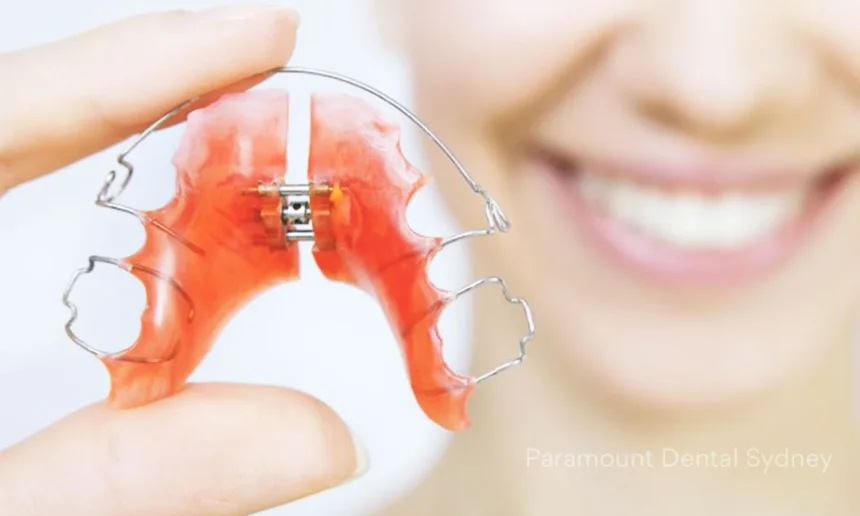
5. Palatal Expanders
A palatal expander is used to widen the upper jaw, especially in children and teenagers whose bones are still developing.
Benefits:
- Creates space for crowded teeth
- Improves bite alignment
- Prevents future orthodontic complications
Best For:
Growing patients with narrow dental arches.
This appliance is typically used before braces to prepare the mouth for further treatment.
6. Retainers
After completing orthodontic treatment, retainers are used to maintain the new position of teeth.
Types of Retainers:
- Fixed retainers (bonded behind teeth)
- Removable retainers (plastic or wire-based)
Benefits:
- Prevent teeth from shifting back
- Maintain long-term results
- Easy to use
Best For:
All patients after braces or aligner treatment.
Retainers are a critical part of orthodontic care and should not be overlooked.
7. Headgear
Orthodontic headgear is used in more severe cases to correct jaw alignment and bite issues.
Benefits:
- Controls jaw growth
- Corrects overbite and underbite
- Enhances facial structure
Best For:
Children and teens with significant jaw misalignment.
Although less common today, headgear remains an effective solution for specific orthodontic conditions.
How to Choose the Right Orthodontic Appliance
Selecting the right orthodontic appliance depends on several factors:
- Severity of dental issues
- Age of the patient
- Budget and lifestyle preferences
- Aesthetic concerns
A qualified orthodontist will assess your condition and recommend the most suitable treatment plan.
Benefits of Orthodontic Appliances
Using the right orthodontic appliances can offer multiple advantages:
- Improved smile and confidence
- Better oral hygiene
- Reduced risk of cavities and gum disease
- Proper bite alignment
- Enhanced speech and chewing ability
Conclusion
With advancements in dental technology, there are now multiple orthodontic appliances available to suit every need and lifestyle. From traditional braces to modern clear aligners, each option offers unique benefits.If you’re considering orthodontic treatment, consult a professional to determine the best solution for your smile. Investing in the right orthodontic appliance today can lead to a lifetime of healthy, confident smiles.
FAQs
1. Which orthodontic appliance is the best?
The best appliance depends on your dental condition. Clear aligners are ideal for mild cases, while braces are better for complex issues.
2. Are orthodontic appliances painful?
You may experience mild discomfort initially, but it usually subsides within a few days.
3. How long does orthodontic treatment take?
Treatment duration typically ranges from 6 months to 2 years, depending on the case.
4. Can adults use orthodontic appliances?
Yes, adults can benefit from various options like clear aligners, ceramic braces, and lingual braces.