

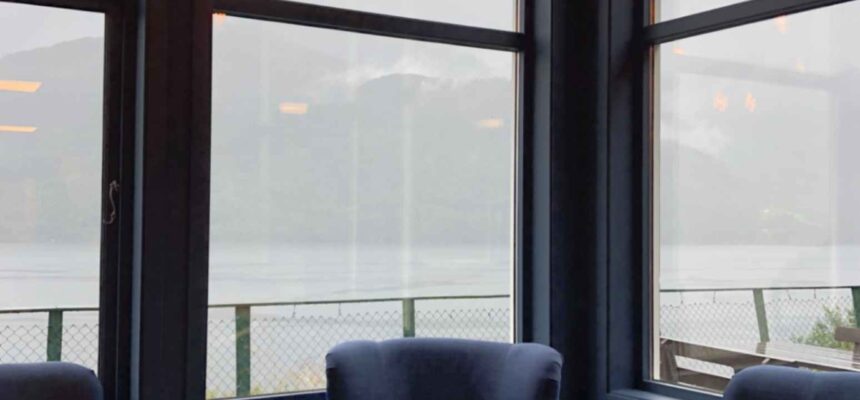

Introduction
Modern homeowners are constantly searching for ways to improve comfort, privacy, and style without making major structural changes to their homes. One of the most effective solutions gaining popularity today is window tint for home applications. From reducing outside visibility to controlling indoor temperature, one-way window tint has become a preferred option for people who value both practicality and aesthetics.
- Introduction
- What Is One-Way Window Tint?
- Why One-Way Window Tint Is Becoming Popular
- How One-Way Window Tint Works
- Different Types of Residential Window Films
- Benefits Beyond Privacy
- Ideal Areas for One-Way Tint Installation
- Maintenance and Longevity
- Choosing the Right Window Tint
- Common Misconceptions About Window Tint
- “Tint Makes Rooms Too Dark”
- “Window Tint Looks Too Reflective”
- “Tint Is Only for Cars”
- “Tint Requires High Maintenance”
- The Growing Trend in Modern Home Design
- Final Thought
In cities with strong sunlight and busy residential communities, homeowners often struggle with maintaining privacy while still enjoying natural daylight. Traditional curtains and blinds can block sunlight completely, making rooms feel dark and closed. One-way window tint offers a smart alternative by allowing homeowners to enjoy outside views during the daytime while limiting visibility from the outside.
This growing trend is not only about privacy. Homeowners are now paying closer attention to energy efficiency, UV protection, and interior comfort. One-way tinting solutions provide all these benefits in a single upgrade. As home design trends continue to focus on clean and modern spaces, tinted windows are becoming an essential feature in contemporary homes.
What Is One-Way Window Tint?
One-way window tint is a specialized film applied to glass surfaces that creates a reflective exterior appearance during daylight hours. The film allows people inside the house to see outside clearly while making it difficult for outsiders to look in.
The effect works because of lighting differences. During the day, sunlight outside is stronger than indoor lighting, causing the exterior side of the window to appear reflective. This creates privacy without blocking natural light.
Unlike heavy curtains or shutters, one-way tint keeps living spaces bright and open. It also adds a sleek and modern appearance to windows, improving the overall look of the property.
Homeowners often use one-way tint in:
Living Rooms
Large living room windows can expose interiors to neighbors or people passing by. Tinting helps maintain privacy while preserving the outdoor view.
Bedrooms
Bedroom windows require privacy without sacrificing sunlight. One-way tint creates a calm and comfortable environment during the day.
Home Offices
As remote work becomes more common, homeowners are investing in comfortable office spaces. Window tint reduces glare on screens and creates a more productive workspace.
Glass Doors and Balconies
Glass doors and balcony panels can also benefit from tinting solutions that improve privacy and reduce heat.
Why One-Way Window Tint Is Becoming Popular
The increasing popularity of one-way window tint is connected to changing homeowner preferences. Modern families are prioritizing comfort, energy savings, and stylish interiors.
Improved Privacy
Privacy is one of the biggest reasons homeowners choose tinted windows. People living in apartments, villas, or closely connected residential areas often want to enjoy natural light without feeling exposed.
Tinted windows help create a sense of security and comfort, especially in areas facing roads or neighboring buildings.
Better Energy Efficiency
One-way window films can help reduce indoor heat by limiting solar heat gain. During hot weather, untreated glass allows excessive heat to enter the home, increasing the workload on air conditioning systems.
By reducing heat transfer, window tint can contribute to lower energy consumption and improved indoor comfort.
UV Protection
Continuous exposure to sunlight can damage furniture, flooring, curtains, and decorative items. UV rays can also affect skin health over time.
High-quality window films block a significant percentage of harmful UV rays, helping protect both interiors and occupants.
Enhanced Appearance
One-way tint gives windows a clean and sophisticated look. The reflective finish creates a modern exterior appearance that suits contemporary architectural styles.
Many homeowners prefer this minimalistic solution because it improves aesthetics without adding bulky coverings.
How One-Way Window Tint Works
Understanding how one-way tint functions helps homeowners decide whether it is the right solution for their needs.
The film uses reflective technology to create visibility differences between brighter and darker environments. During daylight hours, the brighter outdoor light reflects off the tinted surface, preventing outsiders from seeing inside clearly.
However, at night, when indoor lighting becomes stronger than outdoor lighting, the effect may reverse. This means additional curtains or blinds may still be needed for nighttime privacy.
Despite this limitation, daytime privacy remains highly effective and is one of the main reasons the product has become so popular.
Different Types of Residential Window Films
There are several types of window films available for homes, each designed for specific purposes.
Reflective Films
Reflective films provide the classic mirrored appearance associated with one-way tinting. They offer excellent daytime privacy and heat reduction.
Ceramic Films
Ceramic films are known for superior heat rejection and UV protection. They do not create a highly reflective appearance but still provide excellent performance.
Dyed Films
Dyed films help reduce glare and improve appearance. They are generally more affordable but may offer lower heat rejection compared to premium options.
Frosted Films
Frosted films are commonly used in bathrooms and private spaces where complete visibility blocking is preferred.
Homeowners choosing window film Abu Dhabi solutions often select reflective or ceramic films due to the strong sunlight and high temperatures experienced throughout the year.
Benefits Beyond Privacy
While privacy is the most discussed advantage, one-way tint provides several additional benefits that homeowners appreciate over time.
Reduced Glare
Sun glare can make watching television, working on computers, or using mobile devices uncomfortable. Window tint softens harsh sunlight and improves indoor visibility.
Increased Comfort
By reducing heat and glare, tinted windows create a more pleasant indoor environment throughout the day.
Lower Interior Fading
Furniture, carpets, wooden flooring, and artwork can fade because of prolonged sunlight exposure. Window films help extend the life of interior furnishings.
Added Safety
Some window films help strengthen glass surfaces by holding shattered pieces together if the glass breaks. This can improve household safety during accidents or impacts.
Ideal Areas for One-Way Tint Installation
One-way tint can be installed in almost any residential area with glass surfaces.
Villas
Large villa windows often allow excessive sunlight and reduce privacy. Tinting improves comfort while maintaining an elegant appearance.
Apartments
Apartment residents benefit from increased daytime privacy, especially in buildings facing busy streets or nearby towers.
Kitchens
Kitchen windows exposed to direct sunlight can create heat buildup. Tinting helps maintain a cooler cooking environment.
Sunrooms
Sunrooms are designed to maximize natural light, but they can become extremely hot. One-way films help balance light and temperature effectively.
Maintenance and Longevity
One-way window tint is relatively easy to maintain. Proper cleaning and care can help the film last for many years.
Homeowners should use soft cloths and non-abrasive cleaning solutions to prevent scratches. Harsh chemicals and rough scrubbing materials should be avoided.
Professional installation also plays a major role in durability. Properly installed films are less likely to bubble, peel, or discolor over time.
Many high-quality residential films can last over a decade with proper care.
Choosing the Right Window Tint
Selecting the right film depends on several factors.
Privacy Needs
Some homeowners prioritize maximum privacy, while others focus more on appearance or heat reduction.
Sunlight Exposure
Homes with direct sunlight exposure may benefit from stronger heat rejection films.
Interior Design Preferences
The appearance of the tint should complement the overall home design.
Local Climate
Hot climates often require films with better solar control performance. This is one reason why window tint for home installations are increasingly popular in warm regions.
Common Misconceptions About Window Tint
Some people avoid window tint because of outdated misconceptions.
“Tint Makes Rooms Too Dark”
Modern films are designed to allow natural light while reducing glare and heat. Many options maintain bright interiors without creating a dark atmosphere.
“Window Tint Looks Too Reflective”
Not all films create a mirror-like finish. Homeowners can choose from various shades and finishes depending on their preferences.
“Tint Is Only for Cars”
Residential tinting has evolved significantly and is now widely used in modern homes for both comfort and style.
“Tint Requires High Maintenance”
Quality films require only basic cleaning and minimal maintenance.
The Growing Trend in Modern Home Design
Minimalistic architecture and smart home design trends are increasing the demand for practical upgrades that improve both functionality and appearance.
One-way tint fits perfectly into this trend because it combines elegance with performance. Homeowners no longer want heavy window coverings that block light and create visual clutter.
Instead, they prefer open and bright spaces that still provide privacy and comfort. This shift in design preferences continues to increase interest in window film abu dhabi installations for residential properties.
Final Thought
One-way window tint has become much more than a simple home upgrade. It is now a practical lifestyle improvement that supports privacy, energy efficiency, comfort, and modern aesthetics. As homeowners continue to seek smarter ways to improve living spaces, tinted windows are becoming an essential feature in contemporary homes.
From reducing glare and heat to protecting interiors from UV damage, the advantages of one-way tint extend far beyond appearance alone. Homeowners appreciate the balance it creates between openness and privacy, allowing them to enjoy natural light without compromising comfort.
Whether installed in villas, apartments, or modern family homes, window tint for home solutions continue to grow in popularity because they address real everyday challenges. With the rising demand for stylish and energy-efficient interiors, one-way window tint is expected to remain a leading home improvement trend for years to come.