
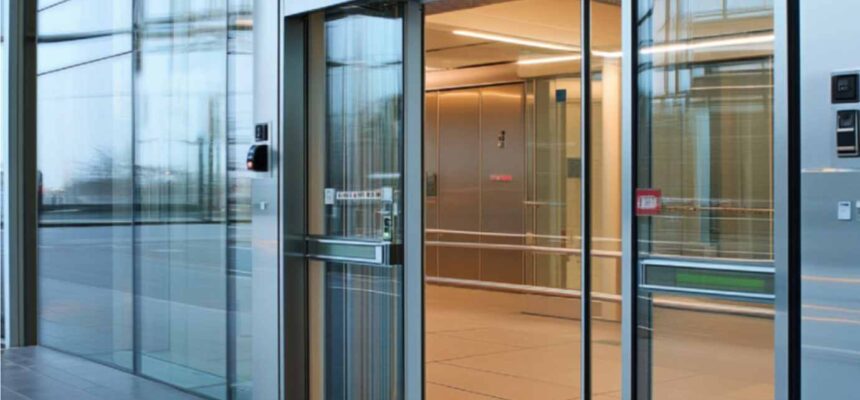

Automatic doors have become an essential feature in commercial buildings, hospitals, hotels, shopping centers, offices, and residential properties. They improve accessibility, enhance convenience, and create a professional appearance for modern spaces. However, like any mechanical system, automatic swing doors require regular maintenance to ensure smooth operation and long-term reliability.
- Door Operator
- Sensors
- Hinges and Arms
- Control System
- Safety Devices
- Clean the Sensors
- Remove Dust From Moving Parts
- Use Suitable Cleaning Products
- Check Hinges and Fasteners
- Examine Swing Arms
- Monitor Door Alignment
- Lubricate Hinges Properly
- Avoid Over-Lubrication
- Use Manufacturer-Approved Products
- Verify Sensor Response
- Check Closing Force
- Inspect Emergency Functions
- Inspect Wiring Connections
- Check Battery Backup Systems
- Protect Components From Moisture
- Benefits of Professional Maintenance
- Create a Maintenance Schedule
- Slow Door Movement
- Unusual Noise
- Sensor Malfunction
- Door Not Closing Properly
- Encourage Immediate Reporting
- Prevent Misuse
- Basic Daily Checks
- Protect Against Dust and Sand
- Monitor Temperature Changes
- Prevent Water Exposure
- Proper Closing Reduces Energy Loss
- Efficient Motors Consume Less Power
- Reduced Repair Costs
- Replace Worn Hinges
- Upgrade Old Sensors
- Replace Aging Motors
Proper maintenance not only improves performance but also reduces repair costs, extends the lifespan of components, and ensures user safety. Many businesses invest heavily in high-quality doors but fail to maintain them properly, leading to unexpected breakdowns and expensive replacements. Regular inspection and preventive care can help avoid these issues while keeping the door system efficient throughout the year.
In modern facilities, the demand for automatic swing door systems continues to rise because of their convenience, hygiene benefits, and accessibility features. With proper care and maintenance, these doors can deliver reliable performance for many years.
Why Maintenance Is Important for Automatic Swing Doors
Automatic swing doors are designed to handle frequent daily use. In busy locations such as hospitals, airports, retail stores, and office buildings, these doors may open and close hundreds of times each day. Without regular maintenance, wear and tear can gradually affect their efficiency and safety.
Routine maintenance helps in:
- Preventing sudden breakdowns
- Improving operational safety
- Extending the lifespan of door components
- Reducing expensive emergency repairs
- Maintaining energy efficiency
- Ensuring compliance with safety standards
Ignoring maintenance may result in slow movement, unusual noises, sensor malfunctions, or complete system failure. A proactive maintenance schedule can identify small issues before they become major problems.
Understanding the Main Components of Automatic Swing Doors
Before starting any maintenance process, it is important to understand the major components of an automatic swing door system.
Door Operator
The operator is the main motorized unit responsible for opening and closing the door automatically. It controls the movement, speed, and timing of the door.
Sensors
Sensors detect motion or presence and activate the door system. They are critical for safe operation and user convenience.
Hinges and Arms
Hinges and swing arms support the movement of the door. Continuous usage can loosen these parts over time.
Control System
The control system manages all operational settings, including opening speed, hold-open time, and safety responses.
Safety Devices
Safety devices include presence sensors, safety beams, and emergency stop features that help prevent accidents and injuries.
Regular Cleaning Improves Performance
One of the simplest yet most effective maintenance practices is regular cleaning. Dust, dirt, and debris can accumulate around sensors, tracks, hinges, and moving parts, affecting overall functionality.
Clean the Sensors
Dirty sensors may fail to detect movement correctly, causing delayed operation or accidental closing. Use a soft cloth to gently wipe the sensor surfaces and remove dust buildup.
Remove Dust From Moving Parts
Accumulated dirt around hinges and swing arms can create resistance during operation. Cleaning these areas helps the system move smoothly and quietly.
Use Suitable Cleaning Products
Avoid harsh chemicals that may damage finishes or electronic components. Mild cleaning solutions and non-abrasive cloths are recommended for regular maintenance.
Inspect Mechanical Components Frequently
Mechanical parts experience constant stress during operation. Routine inspections can help identify worn or damaged components before they fail completely.
Check Hinges and Fasteners
Loose hinges or screws can affect door alignment and create unnecessary strain on the operator. Tighten all fasteners regularly to maintain stability.
Examine Swing Arms
Swing arms should move smoothly without resistance or unusual vibration. If you notice bending or excessive wear, replacement may be necessary.
Monitor Door Alignment
Misaligned doors may drag against the floor or frame, leading to additional pressure on the motor system. Proper alignment improves both performance and energy efficiency.
Lubrication Is Essential
Lubrication plays a major role in maintaining smooth operation and reducing friction between moving components.
Lubricate Hinges Properly
Apply suitable lubricants to hinges and pivot points at regular intervals. This helps prevent squeaking and reduces wear.
Avoid Over-Lubrication
Using too much lubricant may attract dust and debris, creating additional maintenance issues. Apply only the recommended amount.
Use Manufacturer-Approved Products
Different door systems may require specific lubricants. Always use products recommended for automatic swing door systems to avoid damaging components.
Test the Safety Features Regularly
Safety is one of the most important aspects of automatic door systems. Malfunctioning safety features can create serious risks for users.
Verify Sensor Response
Walk toward the door from different angles to ensure sensors detect movement consistently. Delayed or inconsistent response may indicate calibration issues.
Check Closing Force
Doors should close smoothly without slamming. Excessive closing force may cause injuries or damage.
Inspect Emergency Functions
Emergency stop features and manual override systems should be tested periodically to ensure proper operation during power failures or emergencies.
Businesses that rely heavily on automatic swing door systems should prioritize safety inspections to maintain a secure environment for visitors and employees.
Monitor Electrical Components
Automatic swing doors depend on electrical systems for proper functionality. Electrical inspections should be part of every maintenance routine.
Inspect Wiring Connections
Loose or damaged wiring can lead to inconsistent operation or system failure. Look for visible wear, corrosion, or overheating signs.
Check Battery Backup Systems
Many automatic doors include backup batteries for emergency operation. Test these systems regularly to ensure functionality during power outages.
Protect Components From Moisture
Moisture exposure can damage sensitive electronic parts. Ensure all electrical enclosures remain dry and properly sealed.
Schedule Professional Inspections
While basic cleaning and inspections can be handled internally, professional servicing remains essential for long-term performance.
Benefits of Professional Maintenance
Experienced technicians can:
- Identify hidden mechanical issues
- Calibrate sensors accurately
- Test control systems thoroughly
- Replace worn components safely
- Ensure compliance with safety regulations
Professional maintenance reduces the risk of sudden system failure and helps extend the overall lifespan of the door system.
Create a Maintenance Schedule
Establishing a structured maintenance plan ensures inspections and servicing are performed consistently. High-traffic facilities may require more frequent inspections than low-usage locations.
Many businesses work closely with automatic doors suppliers in UAE to ensure regular servicing, spare part availability, and technical support for their door systems.
Common Problems and How to Prevent Them
Understanding common automatic swing door issues can help facility managers respond quickly and minimize downtime.
Slow Door Movement
This may occur due to worn motors, lack of lubrication, or alignment issues. Regular inspection and lubrication can help prevent slow performance.
Unusual Noise
Grinding or squeaking sounds often indicate loose components or insufficient lubrication. Addressing these issues early can prevent major damage.
Sensor Malfunction
Dirty or poorly calibrated sensors may fail to detect movement properly. Routine cleaning and testing help maintain sensor accuracy.
Door Not Closing Properly
Obstructions, alignment issues, or damaged hinges can prevent proper closing. Inspect the system thoroughly to identify the root cause.
Importance of Staff Awareness
Employees who work around automatic doors daily should understand basic maintenance and safety practices.
Encourage Immediate Reporting
Staff should report unusual sounds, delayed movement, or inconsistent operation immediately to prevent further damage.
Prevent Misuse
Improper handling, forcing doors manually, or blocking movement can damage the system over time. User awareness helps reduce unnecessary strain on components.
Basic Daily Checks
Simple daily inspections can identify visible issues before they escalate into expensive repairs.
Weather Protection and Environmental Factors
Environmental conditions can significantly affect automatic swing door performance.
Protect Against Dust and Sand
In regions with high dust exposure, regular cleaning becomes even more important to prevent buildup around sensors and moving parts.
Monitor Temperature Changes
Extreme heat or humidity may affect electronic components and lubrication efficiency. Seasonal inspections help maintain reliable operation.
Prevent Water Exposure
Water entering electronic systems can cause major damage. Proper sealing and weather protection are essential for outdoor installations.
Businesses often consult automatic doors suppliers in uae for guidance on selecting maintenance strategies suitable for local environmental conditions.
Energy Efficiency and Long-Term Savings
Well-maintained automatic swing doors contribute to better energy efficiency by minimizing air leakage and maintaining indoor climate control.
Proper Closing Reduces Energy Loss
Doors that close fully and correctly help maintain indoor temperatures, reducing air conditioning costs.
Efficient Motors Consume Less Power
Maintained motors operate more efficiently and place less strain on electrical systems.
Reduced Repair Costs
Preventive maintenance minimizes expensive emergency repairs and extends equipment lifespan, creating long-term financial savings.
When to Replace Components
Even with excellent maintenance, some components will eventually require replacement due to normal wear.
Replace Worn Hinges
Damaged hinges can affect alignment and strain the operator system.
Upgrade Old Sensors
Modern sensors offer improved accuracy, faster response, and enhanced safety features.
Replace Aging Motors
Older motors may become less efficient and more prone to breakdowns over time.
Timely component replacement prevents larger system failures and improves overall reliability.
Final Thought
Automatic swing doors are valuable investments that improve convenience, accessibility, and operational efficiency in modern buildings. However, achieving long-term performance requires consistent maintenance, regular inspections, and proper care of both mechanical and electrical components.
Simple practices such as cleaning sensors, lubricating moving parts, testing safety features, and scheduling professional servicing can significantly extend the lifespan of the system. Preventive maintenance not only improves reliability but also reduces downtime, enhances user safety, and lowers long-term operational costs.
As automatic door technology continues to evolve, businesses and property owners must prioritize maintenance to protect their investment and ensure smooth daily operation. A well-maintained door system delivers dependable performance, creates a positive user experience, and supports the efficient operation of any modern facility.