

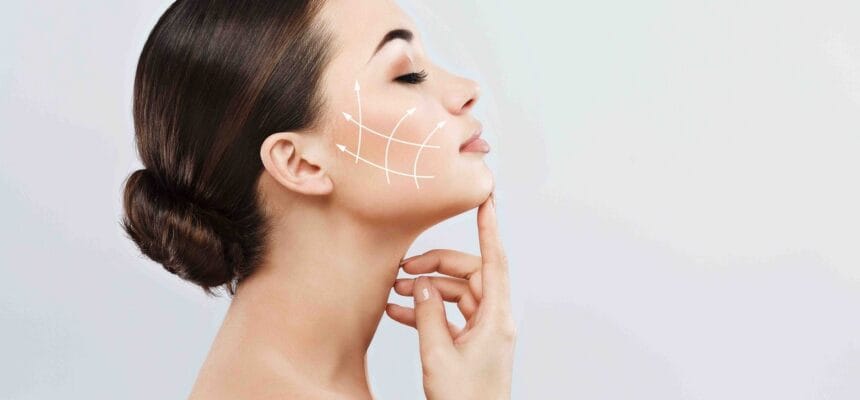
The quest for youthful, vibrant skin has led to the development of numerous non-invasive technologies designed to combat the natural signs of aging. Among these, High-Intensity Focused Ultrasound (HIFU) has emerged as a prominent solution for those seeking structural improvements without the need for traditional surgical intervention. While many treatments focus on the surface of the skin, the HIFU Treatment in Abu Dhabi and elsewhere globally is recognized for its unique ability to target the deeper architectural layers where wrinkles and laxity begin. By utilizing precise sound waves to stimulate biological renewal, this technology offers a modern approach to maintaining facial contours and smoothing the skin’s texture.
Non-Invasive Paradigm: HIFU represents a shift toward “lunchtime” procedures that require no incisions or significant downtime.
Deep Tissue Focus: It is one of the few technologies that can reach the SMAS layer, previously only accessible via surgery.
Biological Stimulation: The treatment relies on the body’s own healing mechanisms to produce long-term aesthetic changes.
Global Popularity: Its rise in metropolitan hubs like Abu Dhabi highlights a growing preference for subtle, natural-looking rejuvenation.
The Mechanism of Focused Ultrasound
To understand if this treatment truly reduces wrinkles, one must examine how it interacts with human biology. Unlike lasers, which target the upper dermis to treat pigment or fine lines, HIFU bypasses the surface to deliver concentrated energy at specific depths—typically 1.5mm, 3.0mm, and 4.5mm. At these depths, the ultrasound energy generates thermal coagulation points, raising the local tissue temperature to approximately 60–70°C (High-Intensity Focused Ultrasound Increases Collagen and Elastin Fiber Synthesis by Modulating Caveolin-1 in Aging Skin – PMC, n.d.). This controlled heat creates micro-injuries that serve as a catalyst for the skin’s repair system.
Thermal Coagulation: High temperatures at the focal point cause immediate contraction of collagen fibers.
Bypassing the Epidermis: The energy passes through the top layer of skin without damaging it, ensuring no external scarring.
Precision Targeting: Practitioners can select depths based on whether they are treating fine lines or deeper structural sagging.
Cellular Response: The “injury” signals fibroblasts to enter an active state of repair.
Neocollagenesis and the Path to Smoother Skin
The primary reason HIFU is effective against wrinkles is a process known as neocollagenesis. Following the thermal stimulus, the body begins to synthesize new collagen and elastin—the proteins responsible for skin’s firmness and elasticity (AEON Medical and Aesthetic Centre, n.d.). Research indicates that this process specifically modulates proteins like Caveolin-1 and reduces p53 activity, which are key factors in cellular aging and collagen production (High-Intensity Focused Ultrasound Increases Collagen and Elastin Fiber Synthesis by Modulating Caveolin-1 in Aging Skin – PMC, n.d.). As these new fibers weave into the existing dermal matrix, the skin becomes denser and more resilient, naturally filling in the “valleys” that appear as wrinkles.
Protein Synthesis: Increased production of Type I and Type III collagen strengthens the skin’s internal scaffolding.
Elastin Remodeling: Beyond just firmness, the treatment restores the “snap-back” quality of youthful skin.
Gradual Improvement: Because collagen takes time to grow, the reduction in wrinkles is a progressive journey rather than an overnight change.
Biological Rejuvenation: The treatment effectively “re-teaches” aging skin cells to behave like younger ones.
Clinical Efficacy: What the Data Shows
Clinical studies have provided measurable evidence regarding the impact of HIFU on skin texture and depth of lines. In a 2026 study involving Asian skin types, researchers observed a 19.3% decrease in wrinkle depth and a 15.9% reduction in surface roughness after 12 weeks. Furthermore, evaluations using the Global Aesthetic Improvement Scale often show high satisfaction rates, with over 80% of participants noting visible improvements in facial contouring and skin tightness. These statistics suggest that while the treatment may not replace the dramatic results of a surgical lift, it provides a statistically significant improvement in the visible signs of aging.
Measurable Reduction: Wrinkle depth decreases consistently across clinical trials using standardized imaging.
Elasticity Gains: Gross elasticity has been shown to increase by over 20% in treated areas (ResearchGate, 2026).
Specific Success Zones: The jawline, cheeks, and periorbital (around the eyes) areas typically show the most responsive results.
Natural Aesthetics: Because the change is driven by your own collagen, the results avoid the “pulled” look of some traditional methods.
Comparing HIFU to Other Rejuvenation Methods
In the landscape of aesthetic medicine, HIFU sits in a unique niche between surface-level treatments and invasive surgery. When compared to Radiofrequency (RF), which uses electrical current to heat the skin more broadly and shallowly, HIFU offers a more “lifting” effect due to its depth. While RF is excellent for general skin glow and mild texture issues, HIFU is often the preferred choice for structural sagging and deeper creases. It offers a “middle ground” for individuals who are not ready for surgery but find that topical creams and light facials are no longer providing the desired level of correction.
Depth Advantage: Reaches the SMAS layer, which most other non-invasive devices cannot penetrate.
Energy Consistency: Focused ultrasound provides a more stable and predictable energy delivery than some light-based therapies.
Session Efficiency: Many individuals achieve their goals in just 1–3 sessions, compared to the weekly requirements of some other technologies.
Versatility: It can be used as a standalone treatment or as part of a multi-modality approach to facial aging.
Timeline of Results: Managing Expectations
One of the most important aspects of an informative look at HIFU is understanding the timeline of transformation. Unlike dermal fillers, which provide immediate volume, HIFU is a biological “slow-burn.” While a slight immediate tightening may be felt due to collagen fiber contraction, the real results emerge as the body builds its new structural network. Most clinical observers and practitioners note that the peak of the treatment’s effect is visible between three to six months post-procedure. This gradual change is often cited as a benefit by those who wish to keep their aesthetic enhancements private.
Immediate Phase: Slight “lifting” sensation and temporary skin plumping right after the session.
Active Phase (1–3 Months): New collagen begins to replace the old, leading to a visible softening of lines.
Peak Phase (3–6 Months): Maximum tightening and wrinkle reduction are achieved as the collagen matrix matures.
Maintenance: Results typically last between 12 to 18 months, depending on individual lifestyle and aging rates.
Ideal Candidates for Wrinkle Reduction
Not all skin concerns are best addressed by focused ultrasound. The treatment is most effective for individuals with mild to moderate skin laxity who are beginning to see the effects of gravity and collagen loss. This typically includes people in their 30s to 50s who want to maintain their current look or reverse early signs of aging. For those with very advanced skin sagging or significant sun damage, the treatment may still offer benefits, but the results may be more subtle compared to younger skin with a higher “collagen baseline.”
Age Range: Most effective for those noticing early jowls, drooping brows, or fine neck lines.
Skin Condition: Works best on skin that still has some natural regenerative capacity.
Preventative Use: Increasingly used by younger demographics to “bank” collagen and delay the onset of deep wrinkles.
Lifestyle Factors: Healthier individuals with good skincare routines often see more pronounced and longer-lasting results.
Conclusion: The Verdict on Wrinkles
In conclusion, the scientific consensus and clinical data support the claim that HIFU treatment can significantly reduce the appearance of wrinkles and improve skin firmness. By targeting the foundational layers of the face and stimulating a natural healing response, it provides a sophisticated alternative to more invasive measures. While it requires patience to see the full outcome, the ability to achieve a smoother, more lifted appearance without downtime makes it a cornerstone of modern aesthetic care.
Proven Technology: Backed by over a decade of aesthetic research and medical history.
Structural Impact: Goes beyond the surface to treat the root cause of sagging and creases.
Patient-Centric: Offers a high safety profile and convenience for busy modern lifestyles.
Natural Evolution: Provides a way to age gracefully while maintaining the skin’s structural integrity.
Frequently Asked Questions
1. How long does a single session of the treatment usually take?
A standard session for the full face and neck typically lasts between 30 to 90 minutes, depending on the complexity and the number of areas being addressed. This “lunchtime” convenience is one of its primary draws.
2. Can I apply makeup or resume my skincare routine immediately after?
Yes, since the surface of the skin remains undisturbed, most individuals can return to their regular skincare and makeup routines immediately. However, it is always recommended to use high-quality sun protection to support the healing process.
3. Is the treatment effective for the neck and jawline area?
Absolutely. The jawline and neck are actually among the most responsive areas for this technology. It is frequently used to define the “V-line” of the face and reduce the appearance of “turkey neck” by tightening the underlying muscular system.
4. How many sessions are generally needed to see a difference in deep wrinkles?
While some people see satisfactory results after just one session, many practitioners recommend a course of 2 to 3 treatments spaced several months apart for those with more pronounced wrinkles or skin laxity to achieve the most robust collagen response.