

Most people don’t think about their doors until something goes wrong. Then it’s suddenly the only thing they can think about. A broken lock at midnight, a storefront door that won’t close after a storm, a panic bar that’s given out in the middle of a busy shift. These situations don’t schedule themselves politely into business hours, and they usually need fixing right now, not tomorrow.
For property owners and business operators across the Halifax area and surrounding communities, knowing who to call when a door fails after hours is one of those small pieces of preparation that saves a lot of grief. Emergency door repair Nova Scotia services exist for exactly this reason, and the good ones can be the difference between a minor overnight hassle and a full insurance claim.
When a Door Problem Becomes an Emergency
Not every broken door needs a 2 AM callout. A squeaky hinge can wait. A sticky latch is annoying but not urgent. The line between inconvenience and emergency comes down to a few questions: Is the building secure? Is anyone at risk? Is property or inventory exposed to weather?
Situations that usually qualify as real emergencies include:
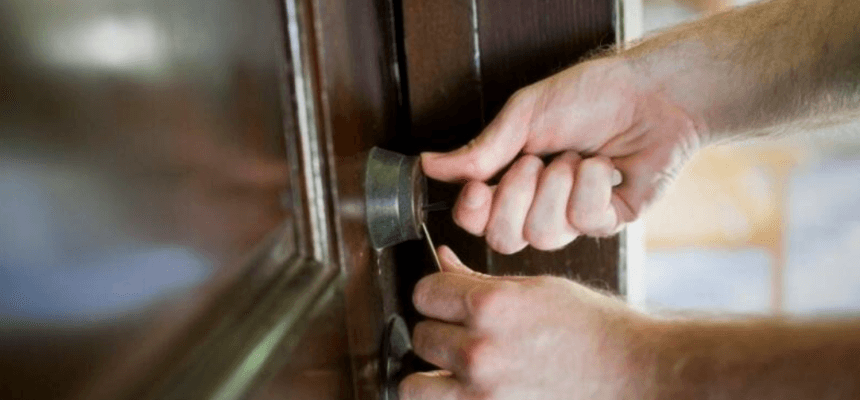
- A door that won’t lock after hours, leaving a home or business exposed
- Storm damage that’s blown a door off its hinges or out of alignment
- A storefront door stuck open in winter, with heat pouring out
- Fire or exit hardware that’s failed in a commercial space
- Forced entry damage that needs a board-up before morning
- Commercial closers that have given out, leaving doors swinging loose
- Apartment lobby or access doors that won’t secure overnight
If one of these things is happening, waiting until the next business day usually makes things worse.
What a Real Emergency Call Looks Like
The first thing that separates real emergency service from marketing copy is if anyone actually answers the phone. A lot of companies advertise 24/7 availability and then route the call to a voicemail box nobody checks. Real emergency coverage means a human on the line, a real arrival window, and a tech who’s actually rolling.
Atlantic Door Repairs runs emergency coverage for the Halifax Regional Municipality and nearby areas, with the crew and stock on hand to handle most situations in a single visit. That’s the standard to look for. Someone who can get there fast, assess what’s happening, secure the site, and either finish the repair on the spot or schedule the follow-up for daylight hours.
A proper emergency visit usually goes like this:
Step one: make the site safe
Before anything gets repaired, the building needs to be secure. That might mean a temporary lock, a board-up over a damaged door, or a chain across an exit until parts arrive. Security first, full repair after.
Step two: diagnose the real problem
A lot of emergency calls look like one problem but turn out to be another. A door that won’t close might have a failed closer, a bent hinge, a warped frame, or all three. A good tech takes ten minutes to figure out what’s actually going on before grabbing parts.
Step three: fix what can be fixed tonight
For most standard emergencies, a well-stocked truck has the parts to get the door working again on the first visit. Locks, strikes, closers, panic hardware, weatherstripping, basic framing material, and plywood should all be on board.
Step four: schedule the follow-up
Some repairs need custom parts, a proper glass order, or a full door replacement. The emergency fix gets you through the night. The follow-up finishes the job.
Why Response Time Matters So Much
The cost of a slow emergency response isn’t just frustration. It’s real money. A commercial door stuck open in January means heat loss, possibly frozen pipes, and inventory exposure. A residential front door that won’t lock means a sleepless night at best and a break-in at worst. A fire door that won’t close in a multi-unit building is a code violation waiting to shut the place down.
Fast response also means the right kind of fix. A tech who arrives quickly while the situation is still manageable can usually handle it with standard parts. A tech who arrives hours later after things have gotten worse often ends up recommending a bigger, more expensive job.
What to Ask Before You Need the Number
The time to pick an emergency door service is not during the emergency. The best approach is to sort this out now, while nothing is on fire, so the number is ready when you need it.
A few things worth confirming:
- Does a real person answer the emergency line after hours
- How long is the typical response window for your area
- What kinds of parts does the crew carry on emergency calls
- Do they handle both residential and commercial work
- Are they familiar with fire-rated doors and commercial hardware
- How is emergency pricing structured, and what’s the callout fee
A reputable shop will give you straight answers to all of these. If the responses are vague, keep looking.
The Local Factor
Emergency response is a geography problem as much as a skill problem. A Halifax-based crew can be at a Dartmouth or Bedford job in twenty minutes. Someone based two hours away can’t, no matter how good they are. That’s why working with a local outfit like Atlantic Door Repairs makes sense for property owners in the Halifax area. Short travel time, familiarity with local building stock, and a real address you can point to all matter when things go sideways at an inconvenient hour.
Getting Through the Night
The goal of any emergency door call isn’t to solve every problem in one shot. It’s to get the building secure, the people safe, and a plan in place for a proper repair the next day. A broken door looks a lot worse at 11 PM than it does in daylight. A good crew with the right parts can almost always have things stable within an hour or two of arrival.
For Nova Scotia property owners, having that emergency number saved in your phone before you need it is one of those small, boring pieces of preparation that pays off hugely the first time something goes wrong. Doors fail. That’s just what they do eventually. The difference between a manageable night and a terrible one is usually just knowing who to call.