

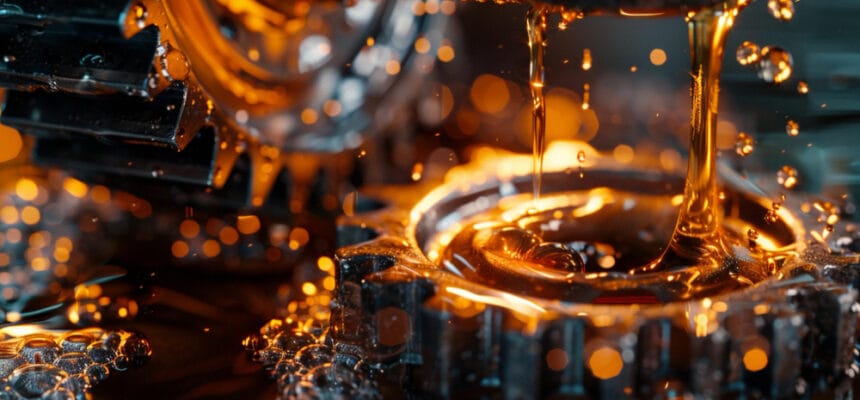

Metal gears are essential components in many industrial machines, automotive systems, manufacturing equipment, and heavy-duty applications. These gears operate under constant pressure, friction, and heat, making proper lubrication one of the most important factors in maintaining performance and extending equipment life. Without the right grease, gears can wear out quickly, produce excessive noise, overheat, and even fail unexpectedly.
- Why Metal Gears Need Proper Greasing
- Reduced Friction and Wear
- Improved Equipment Lifespan
- Protection Against Rust and Corrosion
- Noise Reduction
- Better Temperature Control
- Types of Grease Used for Metal Gears
- Factors to Consider When Choosing Gear Grease
- Operating Temperature
- Signs That Metal Gears Need Re-Greasing
- Proper Methods for Greasing Metal Gears
- Clean the Gear Surfaces
- Common Mistakes in Gear Lubrication
- Mixing Different Greases
- Ignoring Manufacturer Guidelines
- Using the Wrong Grease Type
- Delaying Maintenance
- The Role of Lubrication in Industrial Efficiency
- How Grease Protects Gears from Extreme Conditions
- Maintenance Tips for Long-Lasting Gear Performance
- Follow a Preventive Maintenance Schedule
- Store Grease Properly
- Train Maintenance Personnel
- Use Quality Lubrication Products
- Industries That Depend on Gear Lubrication
- Final Thought
Choosing the best grease for metal gears is not simply about reducing friction. It also involves protecting the gears from corrosion, handling high temperatures, resisting water contamination, and ensuring smooth operation over long periods. Many industries rely on proper lubrication practices to reduce downtime and improve machine efficiency.
Understanding how gear grease works, what types are available, and how to apply them correctly can help businesses and technicians maintain machinery in excellent condition. In many industrial sectors, professionals also work closely with industrial lubricant distributors to ensure they receive suitable lubrication products for their specific equipment and operating conditions.
Why Metal Gears Need Proper Greasing
Metal gears experience continuous contact with other metal surfaces during operation. This contact generates friction, which leads to heat and gradual wear. Over time, inadequate lubrication can cause severe damage, including scoring, pitting, rust, and complete gear failure.
Grease creates a protective film between gear surfaces. This film reduces direct metal-to-metal contact and minimizes friction. It also helps dissipate heat and protects the gears from moisture and contaminants such as dust or debris.
Proper greasing offers several important benefits:
Reduced Friction and Wear
Lubrication lowers the amount of friction between gear teeth. This prevents premature wear and helps gears maintain their shape and efficiency for longer periods.
Improved Equipment Lifespan
Well-lubricated gears operate more smoothly and experience less stress. This significantly extends the lifespan of machinery and reduces maintenance costs.
Protection Against Rust and Corrosion
Many industrial environments expose gears to moisture or chemicals. Grease forms a protective barrier that helps prevent corrosion.
Noise Reduction
Dry or poorly lubricated gears often produce grinding or squealing sounds. Proper lubrication ensures quieter operation and smoother movement.
Better Temperature Control
Grease helps reduce the heat generated during gear operation. This is especially important for high-speed or heavy-load applications.
Types of Grease Used for Metal Gears
Different types of grease are designed for different operating conditions. Selecting the right grease depends on factors such as temperature, load, speed, and environmental exposure.
Lithium Grease
Lithium grease is one of the most commonly used lubricants for metal gears. It offers excellent water resistance and performs well under moderate temperatures and loads.
This grease is suitable for many industrial and automotive applications because it provides good stability and long-lasting lubrication.
Calcium Grease
Calcium-based grease provides excellent water resistance, making it ideal for wet environments. However, it may not perform as effectively under high temperatures compared to lithium grease.
Synthetic Grease
Synthetic grease is designed for extreme conditions. It performs well under very high or very low temperatures and offers excellent oxidation resistance.
Industries operating heavy machinery often choose synthetic options when searching for the best grease for metal gears in demanding environments.
Molybdenum Grease
This grease contains molybdenum disulfide, which provides additional protection under heavy loads and extreme pressure conditions. It is commonly used in industrial machinery and heavy equipment.
Aluminum Complex Grease
Aluminum complex grease offers good resistance to water, heat, and oxidation. It is frequently used in food processing and industrial applications where cleanliness and durability are important.
Factors to Consider When Choosing Gear Grease
Selecting the right grease involves more than simply picking a popular product. Several important factors should be evaluated before making a decision.
Operating Temperature
Different greases perform differently under temperature changes. High-temperature applications require grease that maintains stability without breaking down.
Machines operating in cold conditions need grease that remains soft enough to flow properly.
Load Capacity
Heavy-duty gears require grease capable of handling extreme pressure without losing effectiveness. Grease designed for high-load applications helps protect gear teeth from damage.
Speed of Operation
High-speed gears need grease with proper consistency and heat resistance. Thick grease may not work effectively in extremely fast-moving systems.
Environmental Conditions
Exposure to water, dust, chemicals, or humidity affects lubrication performance. Water-resistant grease is essential in marine or outdoor applications.
Compatibility with Materials
Not all greases are compatible with every metal or sealing material. Using incompatible products can damage seals or reduce lubrication efficiency.
Signs That Metal Gears Need Re-Greasing
Regular inspection of gears helps prevent costly equipment failure. Recognizing the signs of inadequate lubrication can help technicians address problems before serious damage occurs.
Increased Noise
Grinding, squealing, or unusual sounds often indicate insufficient lubrication or grease breakdown.
Excessive Heat
Overheating may occur when grease no longer provides proper friction reduction.
Visible Wear
Pitting, scoring, or scratches on gear teeth suggest inadequate lubrication protection.
Grease Contamination
Dirty, discolored, or watery grease indicates contamination and the need for replacement.
Vibration During Operation
Poor lubrication can cause uneven movement and increased vibration in machinery.
Proper Methods for Greasing Metal Gears
Applying grease correctly is just as important as selecting the right product. Improper application can lead to poor lubrication performance and equipment issues.
Clean the Gear Surfaces
Before applying new grease, old grease and contaminants should be removed completely. Dirt and debris trapped inside the lubrication layer can accelerate wear.
Use the Correct Amount
Over-greasing can be just as harmful as under-greasing. Excess grease may create heat buildup or leak into unwanted areas.
Technicians should follow manufacturer recommendations for proper grease quantity.
Apply Grease Evenly
Grease should be distributed evenly across the gear teeth to ensure complete protection and smooth operation.
Monitor Lubrication Intervals
Regular maintenance schedules help ensure gears always have adequate lubrication. The required frequency depends on operating conditions and equipment usage.
Common Mistakes in Gear Lubrication
Many lubrication problems occur because of incorrect maintenance practices. Avoiding these common mistakes can improve gear performance and reliability.
Mixing Different Greases
Different grease formulations may not be compatible. Mixing products can cause chemical breakdown or reduced lubrication effectiveness.
Ignoring Manufacturer Guidelines
Equipment manufacturers provide lubrication recommendations based on testing and performance requirements. Ignoring these recommendations may lead to equipment damage.
Using the Wrong Grease Type
Choosing grease without considering operating conditions can result in poor protection and increased wear.
Delaying Maintenance
Waiting too long between lubrication intervals increases the risk of gear failure and costly repairs.
The Role of Lubrication in Industrial Efficiency
Lubrication plays a major role in overall industrial productivity. Properly maintained gears improve machine efficiency, reduce energy consumption, and lower operational costs.
Many industries depend on lubrication management programs to maintain reliable production processes. Working with experienced industrial lubricant distributors helps businesses identify suitable lubrication solutions for specific machinery and operating environments.
These distributors often provide technical guidance, lubrication schedules, and product recommendations that improve equipment reliability and reduce downtime.
How Grease Protects Gears from Extreme Conditions
Industrial gears often operate in harsh environments where standard lubrication may not be enough. Heavy loads, high speeds, and constant operation place enormous stress on gear systems.
Advanced grease formulations include additives that improve performance under extreme pressure conditions. These additives help maintain a protective layer even when gears experience intense mechanical stress.
Water-resistant grease protects gears in humid or wet conditions, while oxidation-resistant grease prevents chemical breakdown caused by heat and air exposure.
For industries operating under severe conditions, selecting the best grease for metal gears becomes essential for maintaining long-term equipment reliability.
Maintenance Tips for Long-Lasting Gear Performance
Proper maintenance practices can significantly improve gear lifespan and reduce costly repairs.
Follow a Preventive Maintenance Schedule
Routine inspections and lubrication checks help identify problems before they become serious.
Store Grease Properly
Lubricants should be stored in clean, dry environments to prevent contamination.
Train Maintenance Personnel
Technicians should understand proper lubrication procedures and grease selection requirements.
Use Quality Lubrication Products
High-quality grease provides better protection, longer service life, and improved equipment performance.
Many facilities also partner with reliable industrial lubricant distributors to maintain consistent product quality and ensure timely supply availability.
Industries That Depend on Gear Lubrication
Metal gears are used in a wide variety of industries, each with unique lubrication needs.
Manufacturing
Production machinery relies on smooth gear operation for consistent output and minimal downtime.
Automotive
Vehicle transmissions and drivetrain systems require proper lubrication for efficiency and durability.
Mining
Mining equipment operates under heavy loads and harsh conditions, making high-performance grease essential.
Agriculture
Farm machinery often works in dusty and wet environments where durable grease protection is necessary.
Marine Applications
Marine gears require water-resistant grease to prevent corrosion and maintain performance.
Final Thought
Proper gear lubrication is one of the most important aspects of equipment maintenance. Metal gears operate under continuous stress, and without adequate grease, they can suffer from excessive wear, overheating, corrosion, and mechanical failure.
Understanding the different types of grease, selecting products based on operating conditions, and following proper maintenance practices can greatly improve machinery performance and longevity. Choosing the best grease for metal gears helps reduce downtime, lower maintenance costs, and ensure smoother operation across industrial systems.
Businesses that prioritize lubrication management often achieve better productivity and equipment reliability. Working with experienced industrial lubricant distributors also helps organizations access suitable lubrication products and expert guidance for maintaining efficient gear systems.