

In today’s uncertain world, feeling safe has become super important, not just for famous people, but also for company leaders, public figures, and regular folks who might be at risk. Executive protection (EP), which is like having a personal security detail, is more than just having someone visible for security. It’s a well-thought-out plan to keep people safe when things get risky, and problems can pop up unexpectedly and get serious fast.
Ahead of potential risks, preparing for different scenarios, and implementing safety measures quietly so as not to interfere with the client’s work. Whether it’s navigating a crowd at an event, traveling abroad, or conducting complex business talks, experts ensure the security of everyone involved.
Understanding High-Stakes Environments
High-stakes environments are those where the chance or impact of something bad happening is way higher than usual. This could include political rallies, important business meetings, court dates, or even normal commutes for people known to be at risk. In these places, threats can be anything from annoying attention and harassment to more serious stuff like stalking, kidnapping, or planned attacks.
Executive protection experts are trained to check out these spots ahead of time. This is called “advance work,” and it means looking at locations, finding entrances and exits, watching how crowds move, and talking to local police if needed. By understanding the area and potential risks, EP teams can reduce risk.
What a Professional Bodyguard Does
A professional bodyguard does a lot more than just look tough. While having a guard around can scare off potential troublemakers, the real executive protection pros use a mix of skills like knowing what’s going on around them, calming tense situations, driving defensively, and handling emergencies.
Equally important is discretion. Certain clients would rather feel safe while remaining unnoticed. Hence, bodyguards should be able to go unnoticed while remaining watchful. Their ability to remain composed when under pressure and make sound judgments instantly distinguishes them from others.
Planning and Prep
EP begins long before anything else takes place. Threat assessments are done to learn more about the client’s daily habits, personal life, and any specific worries. This involves examining their travel plans, hotel security, mode of transport, and exposure to risks in public places.
Planning is also an important element. How will you react if your route becomes unavailable? Or, what do you do if something happens medically? The best EP experts always have a plan for every scenario.
Technology is also a big part of modern executive protection. Surveillance cameras, GPS tracking, secure communication tools, and intelligence gathering help EP teams keep an eye on things and respond to threats in real time.
Adapting to Dynamic Threats
One thing about high-stakes environments is that they can change fast. Threats can pop up out of nowhere, so EP teams need to think on their feet. This is where experience and training really matter.
For example, a normal public appearance can get wild if a crowd gets out of hand or a surprise protest breaks out. In these cases, the EP team needs to quickly size up the situation, protect the client, and get them out safely. These decisions need to be made in seconds, with no room for mistakes.
In the same way, going abroad comes with additional challenges, such as unfamiliar locations, language differences, and new security protocols. EP practitioners need to address these problems without lowering security standards.
Why Trust and Professionalism Are Key
Executive protection is a very personal service. Clients trust their security teams a lot, especially when they’re feeling vulnerable. This trust comes from professionalism, reliability, and a good track record.
Privacy simply matters. EP specialists may have access to a great deal of personally identifiable information about their clients and the corporations they work for. Confidentiality is a key factor in sustaining safety and reputation.
In addition, excellent interpersonal skills are crucial. Personal protection officers should be able to communicate with their clients, company employees, and the general public while remaining calm and collected. The ability to manage all of these factors will ensure effective security without interfering with any other aspects.
How to Pick the Right Protection
Picking the right executive protection provider is a big deal. Not all security services are created equal. Clients should look for providers with a strong background in risk assessment, experienced personnel, and a comprehensive security approach.
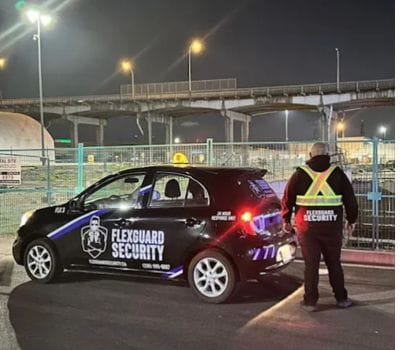
When you are looking for trustworthy and professional bodyguard services Vancouver, it is necessary to find a company that knows how to protect in an urban setting, with all the problems that come with it. Thus, the appropriate choice can offer tailor-made protection, guaranteeing both safety and convenience.
Conclusion
Unlike many other types of safety measures, executive protection is aimed at preventive measures. This kind of service requires a person to anticipate potential dangers, be attentive, and be flexible in the face of changing circumstances.
As the environment constantly changes, the methods for ensuring safety should be improved and modified accordingly. Whatever you decide—protection for corporate executives, celebrities, or just yourself—a sensible decision would be to entrust this work to professionals.
For professional help and comprehensive security solutions, Flexguard Security Corp. can be a valuable partner.