

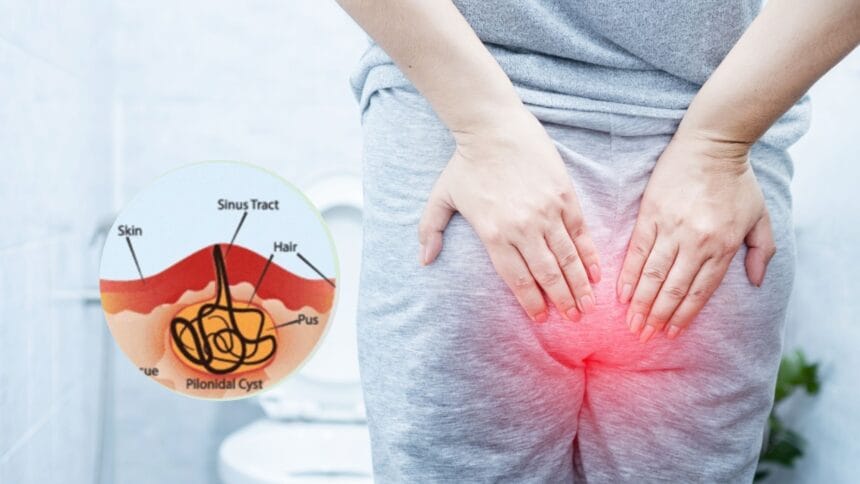
“This article explores how hair removal serves as a vital defense against pilonidal disease. By understanding the mechanical role of friction and hair, patients can utilize laser treatments and specialized aftercare to prevent infections and ensure successful pilonidal cyst surgery recovery.”
Pilonidal illness is mechanical, not hygiene related, but it can be frustrating and embarrassing. Beyond the infection, one must address the hair to find a permanent remedy. Effective pilonidal cyst treatment begins with understanding hair anatomy connections.
The area at the base of the tailbone, known as the natal cleft, is a high friction zone. When you move, the buttocks rub together, creating a natural vacuum. This friction acts like a microscopic mill, grinding loose hairs or stiff follicles into the skin. Because hair has tiny, one way scales, it acts like a barb. This cycle is particularly aggressive for those with high activity levels. If you are a competitive sportsman or a regular gym-goer, check out our guide on Pilonidal Cysts in Athletes: Special Considerations and Treatment Timing to learn how to manage your training schedule around flare-ups and recovery.
Treatment for Pilonidal Cyst: Beyond the Quick Fix
Pain from flare-ups can be devastating. Most folks want instant relief with incision and drainage. This relieves pressure and pus but rarely cures. Addresses illness symptom but overlooks hair cause.
Comparing Hair Removal Methods
To avoid the operating table, you must be aggressive about hair management. However, your chosen method can significantly impact your recovery.
- The Problem with Shaving: Most people reach for a razor, but this often backfires. Sharp, angled hair edges result from shaving. The stubble may penetrate the skin or irritate a healing scar when it grows back. Razor burn can also cause new abscesses by allowing bacteria in.
- Depilatory Creams: Chemical hair removers such as creams are often better than shaving because they dissolve the hair into a blunt tip. However, the skin in the tailbone region is incredibly sensitive. If you have an active sinus tract or a fresh surgical scar, these chemicals can cause severe irritation. Always perform a patch test on a different area of skin first.
- Laser Hair Removal: The Gold Standard: Clinical research consistently shows that Laser Hair Removal is the most effective way to prevent recurrence. By destroying the follicle, you eliminate the source of the problem. Many specialized surgeons now require patients to undergo several rounds of LHR to ensure the surgical site remains clear of terminal hair.
When Pilonidal Cyst Surgery is Necessary
Conservative treatment may not be enough for significant skin damage. Pilonidal cyst surgery removes sick tissue from deep or branched sinus systems.
Open Excision and Cleft Lift are common surgeries that heal from the bottom up. People favor the Cleft Lift because it surgically shallows the buttock crack, making sweat and hair less likely to stick.
The biggest error patients make is thinking surgery is permanent. A stray hair in the healing area can induce a new infection following surgery. Hair-free zones must be maintained for several months after surgery to keep the surgical site closed and healthy.
Lifestyle Tips for Long Term Prevention
Beyond medical intervention, your daily habits play a major role in keeping the area healthy:
- Posture: Avoid sitting directly on your tailbone for long stretches. Use a coccyx cushion with a rear cutout to offload pressure from the cleft
- Exfoliation: Use a light exfoliating scrub with doctor permission. Dead cells can trap current, tiny hairs, thus this keeps the skin clear
- Fabric Choice: Avoid tight denim and wear cotton underwear. Synthetic textiles trap heat and moisture, softening skin and making hair penetration easier
- Hygiene: Preserve extreme dryness. Some patients use a cool hairdryer after showering to avoid moisture in the cleft’s deep folds
Conclusion
Pilonidal disease requires mechanical treatment. Break the infection cycle by prioritizing permanent hair removal and sitting and moving differently. Act before the next painful flare up. Get a hair management program started today, talk to a laser specialist and remember that keeping the region clean, dry, and hair-free is your best defense against the surgeon.
Disclaimer
This content is for informational purposes only and does not substitute for professional medical advice. Always consult a qualified healthcare provider regarding pilonidal cyst treatment or surgery. Never disregard professional medical guidance based on information read in this article.