

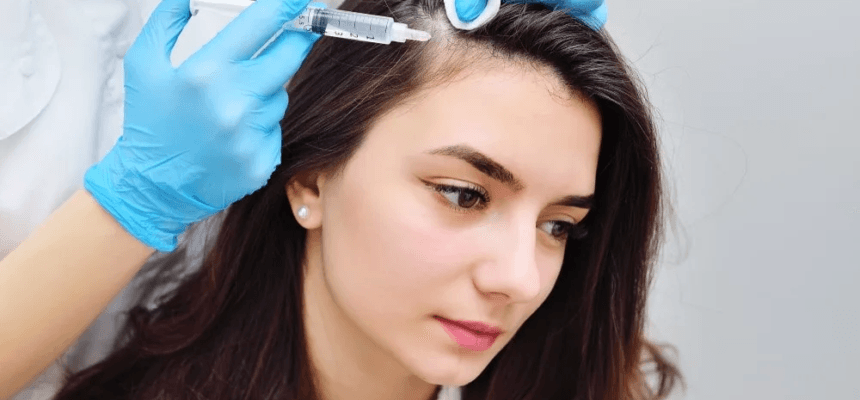

The quest for a fuller, denser mane has led many to explore the frontiers of regenerative medicine. Among the most discussed advancements is Platelet-Rich Plasma therapy, a procedure that leverages the body’s internal healing mechanisms to revitalize dormant follicles. In a city where appearance and wellness go hand-in-hand, finding the Best PRP Hair Treatment in Abu Dhabi has become a priority for those noticing the early signs of thinning or a loss of hair volume. This treatment represents a bridge between biological science and aesthetic restoration, offering a non-surgical pathway to improved hair health.
Key Points:
PRP therapy uses the patient’s own blood components to stimulate hair growth.
The treatment is highly sought after in urban centers for its regenerative properties.
It focuses on natural restoration rather than synthetic or invasive alternatives.
Understanding the Science of Platelet-Rich Plasma
To appreciate how this treatment works, one must understand the composition of human blood. While we often think of blood as a single fluid, it is a complex mixture of plasma, red blood cells, white blood cells, and platelets. Platelets are the “first responders” of the body, containing specialized proteins called growth factors. When these platelets are concentrated and reintroduced to the scalp, they act as a biological catalyst.
The process begins by isolating these platelets through a centrifugal method, ensuring that the final serum is rich in the elements necessary for cellular repair. By increasing the concentration of growth factors by up to five to ten times the normal amount, the treatment provides a potent boost to the scalp’s environment.
Key Points:
Platelets are rich in growth factors essential for tissue healing.
Centrifugation is the process used to separate and concentrate these healing elements.
The high concentration of proteins triggers a more robust repair response than the body could achieve alone.
The Biological Mechanism of Hair Growth
Hair growth occurs in cycles: the Anagen (growth) phase, the Catagen (transition) phase, and the Telogen (resting) phase. Most instances of hair thinning occur because the Anagen phase shortens, or the follicles themselves begin to miniaturize. This miniaturization leads to the production of finer, shorter, and less visible hairs until the follicle eventually stops producing hair altogether.
PRP therapy intervenes directly in this cycle. The growth factors released from the platelets migrate to the base of the hair follicle—the dermal papilla. Here, they stimulate cell proliferation and prolong the Anagen phase. By keeping the hair in the growth phase longer, the treatment allows each strand to reach its maximum potential thickness and length.
Key Points:
Thinning is often the result of follicle miniaturization and shortened growth cycles.
Growth factors target the dermal papilla to keep hair in the Anagen phase.
Prolonging the growth phase results in visibly thicker and stronger hair strands.
Enhancing Scalp Microcirculation
A healthy scalp requires a robust blood supply to deliver oxygen and nutrients to the follicles. Over time, factors like stress, age, and environmental pollutants can impede local circulation, leading to a “suffocation” of the hair roots. PRP therapy is known to promote angiogenesis—the formation of new blood vessels from pre-existing ones.
As the treated area develops a more intricate network of capillaries, the follicles receive a consistent “buffet” of nutrients. This improved microcirculation not only supports the growth of new hair but also improves the quality of existing strands, making them appear more vibrant and less prone to breakage.
Key Points:
Angiogenesis refers to the creation of new blood vessels in the scalp.
Enhanced blood flow ensures follicles receive optimal oxygen and nutrition.
Better circulation contributes to the overall structural integrity of the hair.
Why Concentration and Quality Matter
Not all plasma treatments are created equal. The efficacy of the procedure depends heavily on the concentration of platelets achieved during the preparation stage. A professional approach ensures that the serum contains the optimal balance of growth factors to trigger the desired biological response.
When the serum is prepared correctly, it contains specific proteins like Vascular Endothelial Growth Factor (VEGF) and Epidermal Growth Factor (EGF). These proteins work in synergy to repair damaged tissues and wake up “sleeping” follicles. This biological synergy is what ultimately leads to a noticeable increase in hair density over several months.
Key Points:
The ratio of platelets to plasma is a critical factor in treatment success.
Specific proteins like VEGF and EGF are vital for follicular rejuvenation.
A synergistic effect between different growth factors leads to better density.
The Role of PRP in Preventative Hair Care
While many people seek treatment only after significant thinning has occurred, there is a growing trend toward using regenerative therapy as a preventative measure. For individuals with a genetic predisposition to thinning, starting treatment early can help maintain the current density and delay the onset of more severe hair loss.
By strengthening the follicles before they begin to miniaturize, the treatment acts as a shield against the biological stressors that lead to thinning. This proactive approach focuses on “follicular preservation,” ensuring that the scalp remains a healthy environment for hair production for as long as possible.
Key Points:
Early intervention can slow down the progression of genetic thinning.
Follicular preservation is easier than reviving completely dormant follicles.
A proactive strategy helps maintain existing hair volume and quality.
Achieving Long-Term Scalp Health
Consistency is the cornerstone of any regenerative treatment. Since the hair growth cycle is a slow process, the benefits of PRP therapy unfold over time. It is not an overnight fix but a gradual improvement in the scalp’s ecosystem. Over several sessions, the cumulative effect of the growth factors leads to a sustainable improvement in hair texture and scalp coverage.
Furthermore, because the treatment utilizes the patient’s own biological material, it is highly compatible with the body. It works with your natural systems rather than against them, fostering an environment where hair can thrive naturally without the need for synthetic additives.
Key Points:
Results manifest gradually as the hair cycle progresses.
Cumulative sessions build a stronger foundation for hair health.
The treatment is bio-compatible and works harmoniously with the body.
Frequently Asked Questions
What makes PRP different from other topical solutions?
Unlike topical solutions that sit on the surface or require daily application to maintain results, PRP is a biological treatment that works at the cellular level within the scalp. It stimulates the actual foundation of the hair follicle rather than just coating the hair shaft.
How soon can I expect to see a change in hair thickness?
While biological responses vary, most individuals begin to notice a change in hair texture and a reduction in shedding within a few months. Significant improvements in thickness and density typically appear after the follicles have completed a full growth cycle.
Is there any downtime required after the session?
One of the primary advantages of this treatment is that it is non-invasive. Most people find they can return to their daily routines almost immediately. Because it does not involve surgical incisions, the recovery period is minimal, making it convenient for those with busy lifestyles.
Can this treatment be used alongside other hair wellness routines?
Yes, PRP is often used as a complementary therapy. It can be integrated into a broader hair wellness plan that includes proper nutrition, scalp massages, and the use of gentle hair care products to maximize the overall health of the hair and scalp.